 Slow Bio Hack
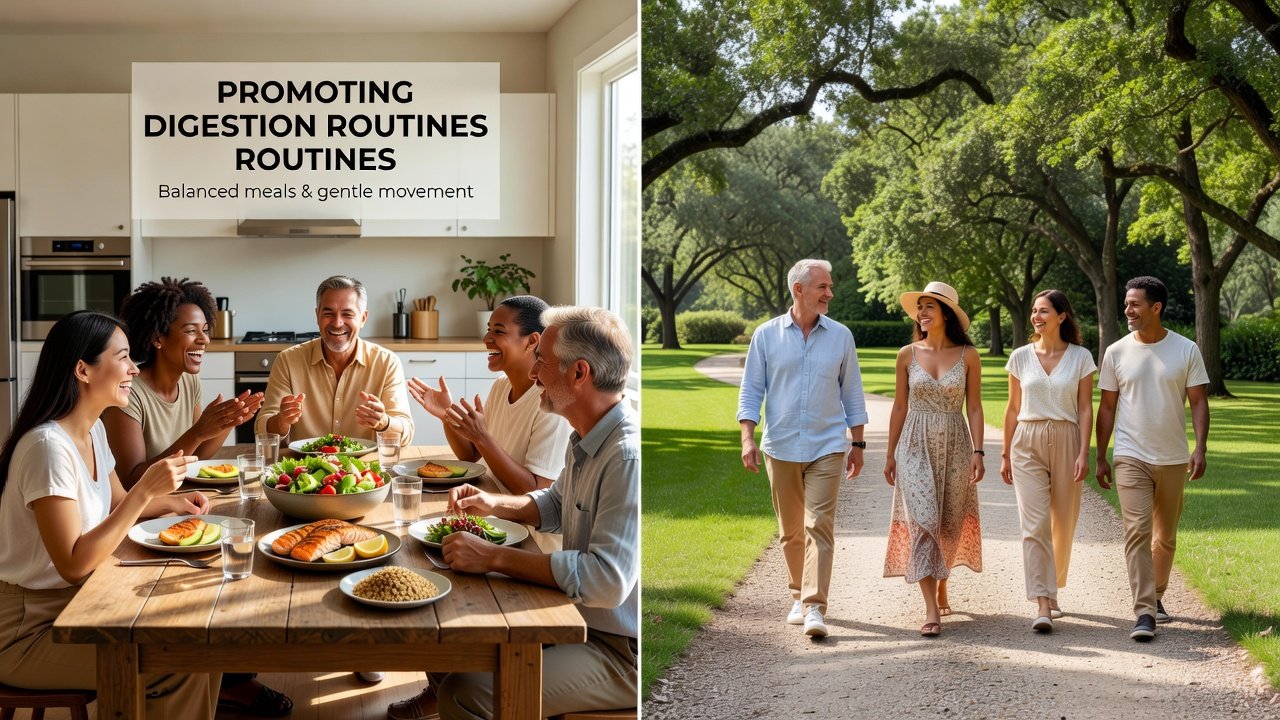
Introduction to Post-Meal Routines for Gut Health
After finishing a meal, many people rush back to work or daily tasks, overlooking simple habits that can significantly enhance digestion and support a balanced microbiome. Post-meal routines focus on gentle activities that aid the body’s natural digestive processes without requiring extra supplements or major lifestyle overhauls. These approaches align with 2026 search trends for actionable, time-efficient tips that fit busy schedules. Understanding how movement, breathing, and strategic snacking influence gut function helps create sustainable habits. Research from institutions like the Mayo Clinic highlights the role of light activity in promoting intestinal motility. This article explores evidence-based routines tailored to different meal types, comparisons of common practices, real-world applications, and answers to frequent concerns.
The Science Behind Post-Meal Digestion Support
Digestion begins in the mouth and continues through the stomach and intestines, where trillions of microbes in the microbiome break down food and produce beneficial compounds such as short-chain fatty acids that nourish the gut lining. Gentle post-meal actions stimulate peristalsis—the wave-like muscle contractions that move food through the digestive tract—while reducing common issues like bloating or sluggishness. Studies show that remaining sedentary after eating can slow gastric emptying by up to 30 percent in some individuals. In contrast, low-intensity activities encourage blood flow to the gut without diverting energy from digestion. Mindful breathing activates the parasympathetic nervous system, often called the “rest and digest” mode, which optimizes enzyme release and nutrient absorption. The microbiome thrives when these processes occur regularly, leading to better immune function and reduced inflammation over time. Incorporating these routines daily can help maintain microbial diversity, especially important in modern environments with high stress and processed food intake.
Gentle Movement: Walking Versus Stretching
Both walking and stretching offer benefits, yet they serve slightly different purposes. A 10- to 15-minute walk after lunch, for instance, improves glucose regulation and reduces postprandial discomfort more effectively than static stretching alone. Walking engages core muscles lightly and promotes overall circulation, helping food move efficiently through the small intestine. Stretching, particularly seated twists or forward folds, targets abdominal tension and can relieve immediate bloating. However, vigorous stretches may interfere with digestion if performed too soon after eating. Many experts recommend starting with walking and adding targeted stretches later in the routine. Consider your meal size and personal comfort when choosing: heavier meals benefit more from walking, while lighter ones pair well with stretching to release trapped gas.
Practical Comparison
- Walking: Improves motility, suitable after any meal, minimal equipment needed, can be done indoors or outdoors, enhances mood through fresh air exposure.
- Stretching: Focuses on specific muscle release, best 20–30 minutes post-meal, helps with posture-related digestive issues, low impact for those with joint concerns.
- Combined approach: Five minutes of walking followed by five minutes of gentle stretches maximizes both circulation and relaxation, creating a balanced 15-minute routine.
Mindful Breathing Techniques
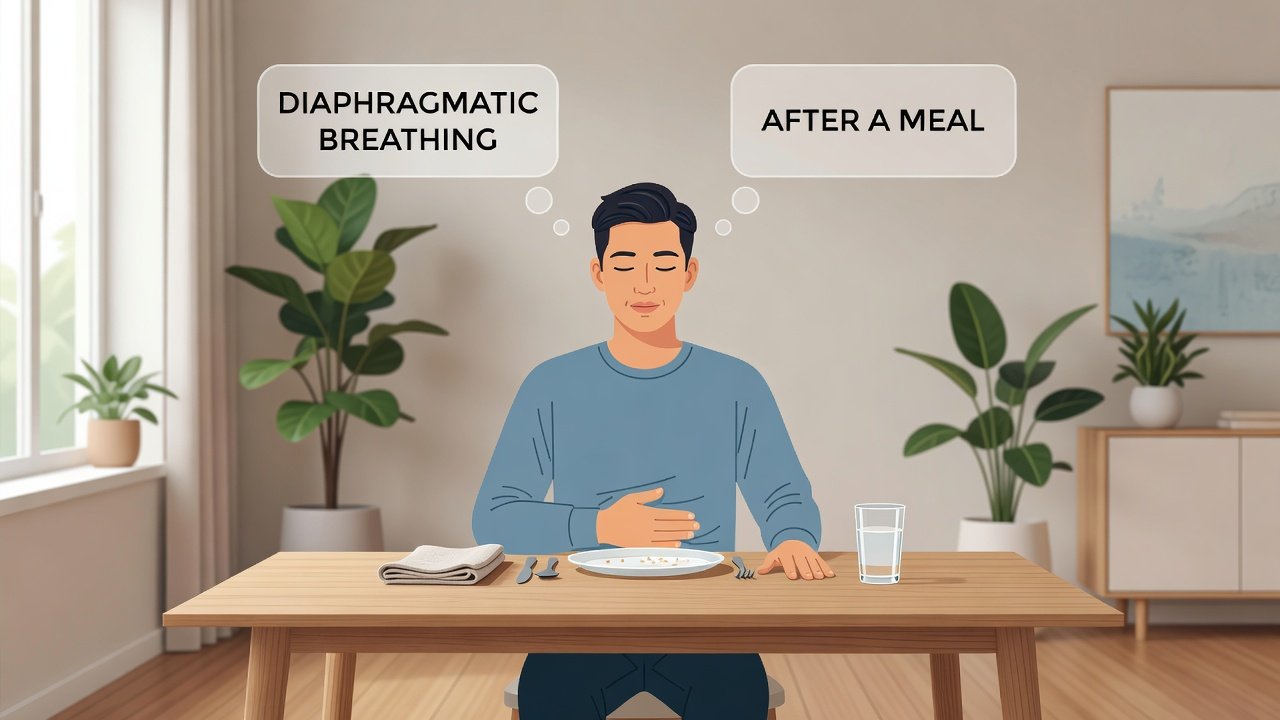
Diaphragmatic breathing performed while seated upright for three to five minutes helps shift the body into optimal digestive mode. Inhale deeply through the nose for a count of four, allowing the belly to expand fully, then exhale slowly for six counts. This pattern lowers cortisol levels that can otherwise disrupt microbiome balance. Repeat this cycle 8–10 times. Variations include box breathing—inhale four, hold four, exhale four, hold four—for added focus during stressful workdays. Busy professionals often integrate it during short breaks at their desks, noticing reduced afternoon bloating within days of consistent practice. Tracking progress in a simple journal can reveal patterns, such as improved energy levels after lunch routines.
Timing Probiotic-Rich Snacks
Consuming small portions of fermented foods like yogurt or kefir 60–90 minutes after a main meal provides live cultures when the digestive environment is most receptive. This timing avoids overwhelming the stomach during peak digestion yet supplies beneficial bacteria to support microbiome diversity. Focus on plain, unsweetened options to prevent excess sugar intake. Those with lactose sensitivity may prefer plant-based fermented alternatives such as kimchi or miso soup in small servings. Experiment with portion sizes—start with two tablespoons—to find what feels comfortable. Consistency matters more than quantity, so aim to include these snacks three to four times per week.
Step-by-Step Routines for Different Meal Types
After Breakfast
- Finish eating and stand for two minutes of deep breathing to signal the body to begin digestion.
- Take a 10-minute walk around the block or office hallway at a relaxed pace.
- Optional: Add a small probiotic yogurt snack mid-morning if hunger returns.
- Monitor how you feel mid-morning and adjust walk duration if needed.
After Lunch
- Walk for 12–15 minutes at a comfortable pace, perhaps combining it with a quick errand.
- Return to desk and perform seated spinal twists for three minutes to ease abdominal pressure.
- Practice diaphragmatic breathing before resuming work tasks.
- Stay hydrated with water during this period to support overall gut function.
After Dinner
- Enjoy a 15-minute leisurely stroll with family or alone to aid evening digestion.
- Perform light forward folds while standing if comfortable, holding each for 20 seconds.
- End with five minutes of breathing while seated in a calm space before bedtime routines begin.
- Reflect on the day’s meals to identify any patterns in how different foods affect you.
Real-Life Examples from Busy Professionals
Sarah, a project manager, integrates a post-lunch walk into her calendar as a recurring 15-minute meeting with herself. She reports fewer energy crashes and less bloating by 3 p.m. Software developer Marcus uses breathing exercises during commute waits after dinner, noting improved sleep quality and steadier digestion. Marketing coordinator Elena schedules a short probiotic snack break at 4 p.m. daily and combines it with gentle desk stretches, which helped her reduce reliance on antacids. Accountant David prefers outdoor walking after dinner regardless of weather, using the time to plan the next day while supporting gut motility. These micro-routines require no special equipment and adapt easily to hybrid work environments common in 2026.
Common Mistakes to Avoid
One frequent error is starting intense exercise immediately after eating, which can cause discomfort. Another is skipping the breathing step, missing an opportunity to activate the parasympathetic system. Overeating probiotic snacks too soon after a meal may lead to temporary bloating instead of relief. Finally, ignoring individual responses—such as how certain foods interact with movement—can reduce effectiveness. Track your body’s signals for the first two weeks to refine your personal routine.
Frequently Asked Questions
Can these routines help with chronic bloating?
Many individuals experience relief within one to two weeks when combining movement and breathing consistently. Persistent symptoms warrant consultation with a healthcare provider to rule out underlying issues.
How soon after eating should I start moving?
Wait 5–10 minutes before light walking to allow initial gastric settling and prevent discomfort.
Are these practices suitable for all ages?
Yes, they are generally safe for adults. Those with mobility limitations can adapt by focusing on seated breathing and gentle stretches performed while seated.
Should I drink water during these routines?
Sipping water is encouraged, but avoid large amounts immediately after meals to prevent diluting digestive enzymes.
Can I combine these with other daily habits?
Absolutely—pairing the walk with a phone call or the breathing with meditation apps makes the routines more sustainable long-term.
Conclusion
Incorporating intentional post-meal routines creates compounding benefits for digestion and microbiome health. By blending short walks, targeted breathing, and thoughtfully timed snacks, individuals can support gut function within their existing 2026 schedules. Start with one routine after your next meal and observe the difference in comfort and energy over the following days.
No comments yet. Be the first!