 Slow Bio Hack
Introduction: Why Omega-3s Matter for Your Gut in 2026
Omega-3 fatty acids have long been celebrated for heart and brain benefits, but emerging research highlights their powerful role in supporting gut microbiome diversity and improving digestion. This how-to guide explores lesser-known connections between these healthy fats and long-term digestive wellness without relying solely on supplements. By focusing on whole food sources, you can naturally enhance beneficial bacteria populations, reduce inflammation, and address common issues like bloating or irregular bowel movements. The gut microbiome consists of trillions of microorganisms that influence everything from nutrient absorption to immune function. Omega-3s, particularly EPA and DHA, help modulate this ecosystem by promoting the growth of anti-inflammatory bacteria strains while discouraging harmful ones. In 2026, with rising interest in preventive nutrition, understanding these fats becomes essential for anyone seeking sustainable gut improvements rather than temporary relief.
Understanding the Connection Between Omega-3s and Microbiome Diversity
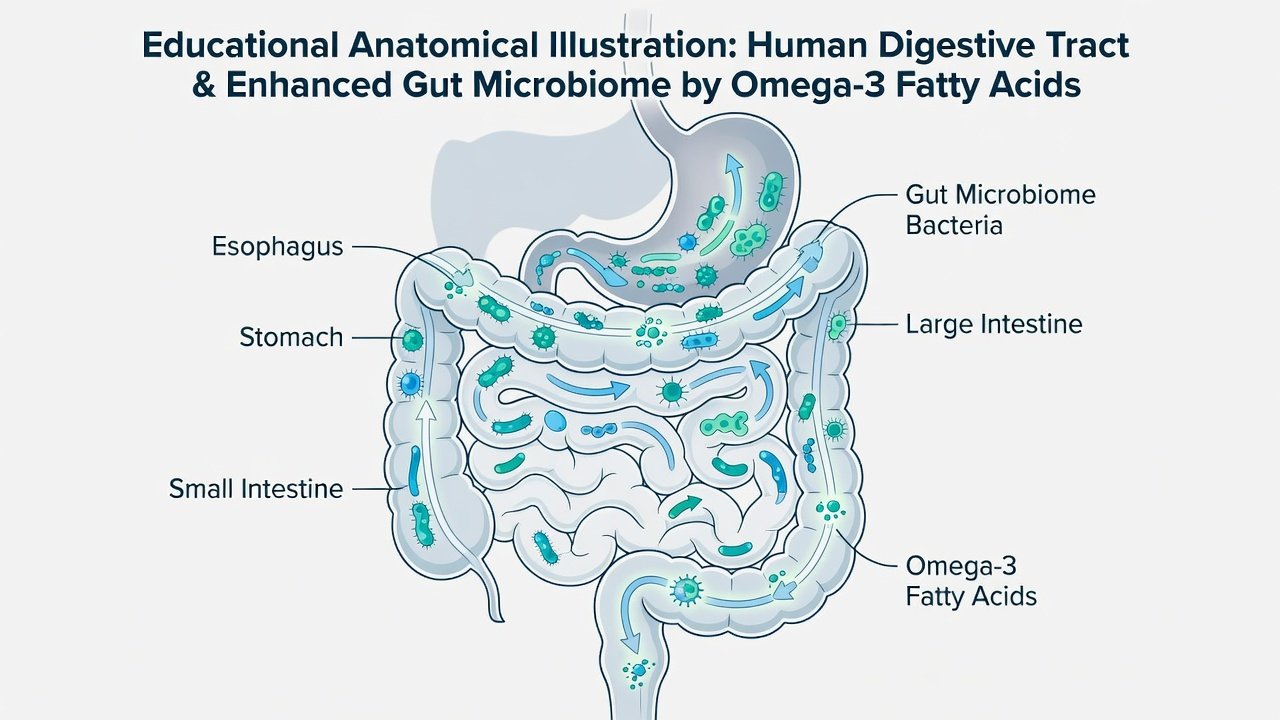
Omega-3 polyunsaturated fatty acids interact directly with gut bacteria through anti-inflammatory pathways. Studies show they increase levels of beneficial species such as Bifidobacterium and Lactobacillus. This shift supports better short-chain fatty acid production, which strengthens the intestinal barrier and eases digestion issues over time. Unlike quick-fix approaches, consistent dietary intake builds resilience for sustained gut health. Researchers have identified that omega-3s can alter microbial gene expression, leading to reduced permeability of the gut lining and lower systemic inflammation markers. For individuals dealing with conditions like irritable bowel syndrome, these changes often translate to fewer flare-ups and improved comfort during meals.
Mechanisms of Action in the Digestive Tract
At a cellular level, omega-3s incorporate into cell membranes of both host cells and bacteria, influencing signaling molecules that regulate inflammation. They also compete with omega-6 fats, which can promote pro-inflammatory responses when consumed in excess. This balance helps create an environment where diverse microbes thrive, including those that produce butyrate, a key compound for colon health. Practical observation shows that people who increase omega-3 intake gradually notice changes in stool consistency within weeks, indicating positive microbial shifts.
Top Food Sources of Omega-3s for Gut Support
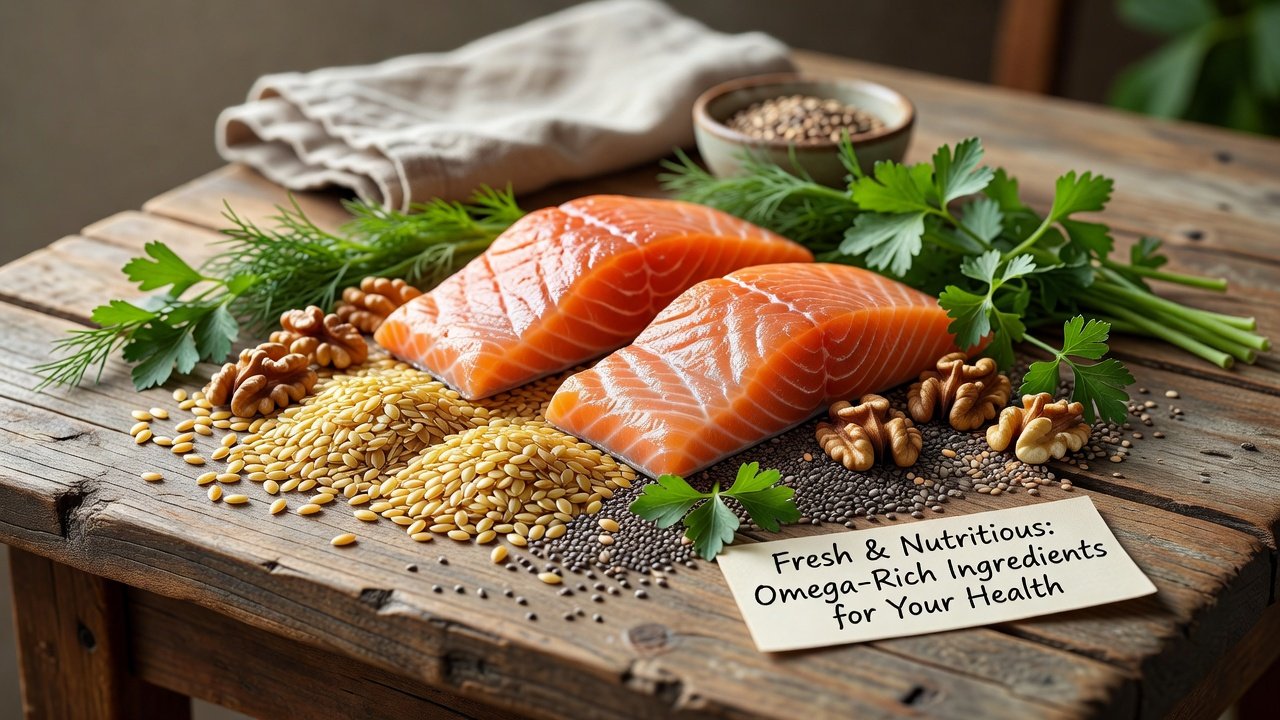
Prioritize whole foods rich in alpha-linolenic acid (ALA), EPA, and DHA. Fatty fish like salmon, mackerel, and sardines provide direct EPA and DHA. Plant-based options include flaxseeds, chia seeds, walnuts, and hemp seeds, which supply ALA that the body partially converts. Other helpful choices are algae oil for vegans, soybeans, and fortified eggs. Incorporating a variety ensures broad nutrient coverage that feeds diverse microbiome communities. For example, one serving of wild-caught salmon delivers approximately 1.5 grams of omega-3s while also providing protein that supports overall digestive enzyme production.
Preparation matters: grind flaxseeds fresh to preserve nutrients, as pre-ground versions can oxidize. Soak chia seeds overnight for better digestibility and to create a gel that gently feeds gut bacteria. Walnuts can be added to salads or oatmeal, offering both omega-3s and polyphenols that work synergistically with the fats.
Daily Intake Recommendations with Practical Meal Examples
Health authorities suggest 250–500 mg combined EPA and DHA daily for general wellness, with higher amounts potentially beneficial for gut concerns. For ALA, aim for 1.1–1.6 grams. Here are sample daily plans that integrate these recommendations seamlessly:
- Breakfast: Oatmeal topped with 2 tablespoons ground flaxseeds, a handful of walnuts, and fresh berries for added fiber that complements the fats.
- Lunch: Grilled salmon salad with olive oil dressing, mixed greens, and avocado slices to enhance absorption of fat-soluble nutrients.
- Snack: Handful of chia pudding made with almond milk and a sprinkle of hemp seeds, providing a portable option for busy days.
- Dinner: Baked sardines on whole-grain toast with roasted vegetables and a side of edamame for plant-based ALA reinforcement.
Rotate sources throughout the week to maintain variety and prevent boredom while steadily supporting microbiome balance. Vegan adaptations might swap fish for algae oil capsules mixed into smoothies or larger portions of flax and chia. Track portions initially to ensure you meet targets without overdoing calories.
Comparing Omega-3s to Other Anti-Inflammatory Nutrients
While fiber from vegetables excels at feeding bacteria, omega-3s uniquely reduce gut inflammation at a cellular level. Compared to antioxidants like vitamin C or polyphenols in berries, omega-3s offer lipid-based membrane support that complements these compounds. Turmeric's curcumin provides similar anti-inflammatory effects but lacks the microbiome-diversity boost seen with consistent omega-3 consumption. According to experts at Mayo Clinic, combining multiple anti-inflammatory approaches yields the best results for digestive comfort. Similarly, resources from CDC emphasize dietary patterns over single nutrients for long-term gut health outcomes. Omega-3s stand out because they also support brain-gut axis communication, potentially improving mood alongside physical digestion.
Step-by-Step Ways to Track Improvements
Monitor progress over 4–8 weeks using these methods:
- Keep a daily food and symptom journal noting omega-3 intake and digestion quality, rating bloating and regularity on a simple scale.
- Use at-home stool tests or microbiome analysis kits to measure diversity changes, comparing baseline and follow-up results.
- Track bowel movement regularity, bloating frequency, and energy levels on a 1–10 scale, noting any correlations with specific meals.
- Reassess after dietary adjustments and consult a healthcare provider for personalized insights, especially if symptoms persist.
Additional tools include wearable devices that monitor sleep and stress, as these indirectly affect gut responses to dietary fats. Many users report clearer skin and steadier energy as secondary signs of improved microbiome function.
Practical Tips for Incorporating Omega-3s Into Daily Routines
Start small by adding seeds to smoothies or salads. Cook with omega-3-rich oils like flaxseed oil on low heat to avoid damaging delicate fats. Plan weekly fish meals and batch-prep seed mixes for grab-and-go convenience. For those avoiding fish, explore algae-based options available at most health stores. Pair intake with prebiotic foods such as garlic, onions, and bananas for enhanced bacterial growth. Consistency matters more than perfection—aim for daily inclusion rather than sporadic large doses. Consider seasonal adjustments, such as more fish in winter when fresh produce is limited. Avoid common pitfalls like storing oils in warm places, which reduces potency, or combining with high-heat cooking that degrades benefits.
Potential Challenges and How to Overcome Them
Some individuals experience fishy aftertaste or digestive adjustment when first increasing intake. Mitigate this by choosing fresh or properly stored fish and starting with smaller portions. Those with allergies can rely fully on seeds and algae. Budget-conscious eaters might focus on affordable options like canned sardines or bulk flaxseeds. If taste is an issue, blend into familiar recipes like smoothies or dressings rather than eating sources plain.
FAQ: Common Questions on Omega-3s, Dosage, and Interactions
How much should I take daily? Begin with food sources providing 250 mg EPA/DHA and increase gradually while monitoring tolerance, adjusting based on personal response over several weeks.
Can omega-3s interact with medications? They may thin blood slightly; discuss with a doctor if on anticoagulants or blood pressure drugs, as noted in general guidance from World Health Organization resources on nutrition safety.
Are supplements necessary? Whole foods are preferred for microbiome benefits, but algae supplements can fill gaps when dietary intake is low or for those with dietary restrictions.
How long until I notice digestive changes? Many report improvements in 3–6 weeks with steady consumption, though full microbiome shifts may take up to two months of consistent habits.
What if I follow a vegan diet? Rely on ALA-rich plants and consider algae oil to achieve comparable EPA and DHA levels without animal products.
Conclusion
Embracing omega-3 fatty acids through everyday foods offers a sustainable path to greater microbiome diversity and smoother digestion. By following the food sources, meal ideas, and tracking strategies outlined, you can build lasting gut resilience. Start today with simple additions to your plate for noticeable wellness gains in 2026 and beyond, always prioritizing variety and consistency for optimal results.


No comments yet. Be the first!