 Slow Bio Hack
Introduction: Natural Boosts for Your Gut in 2026
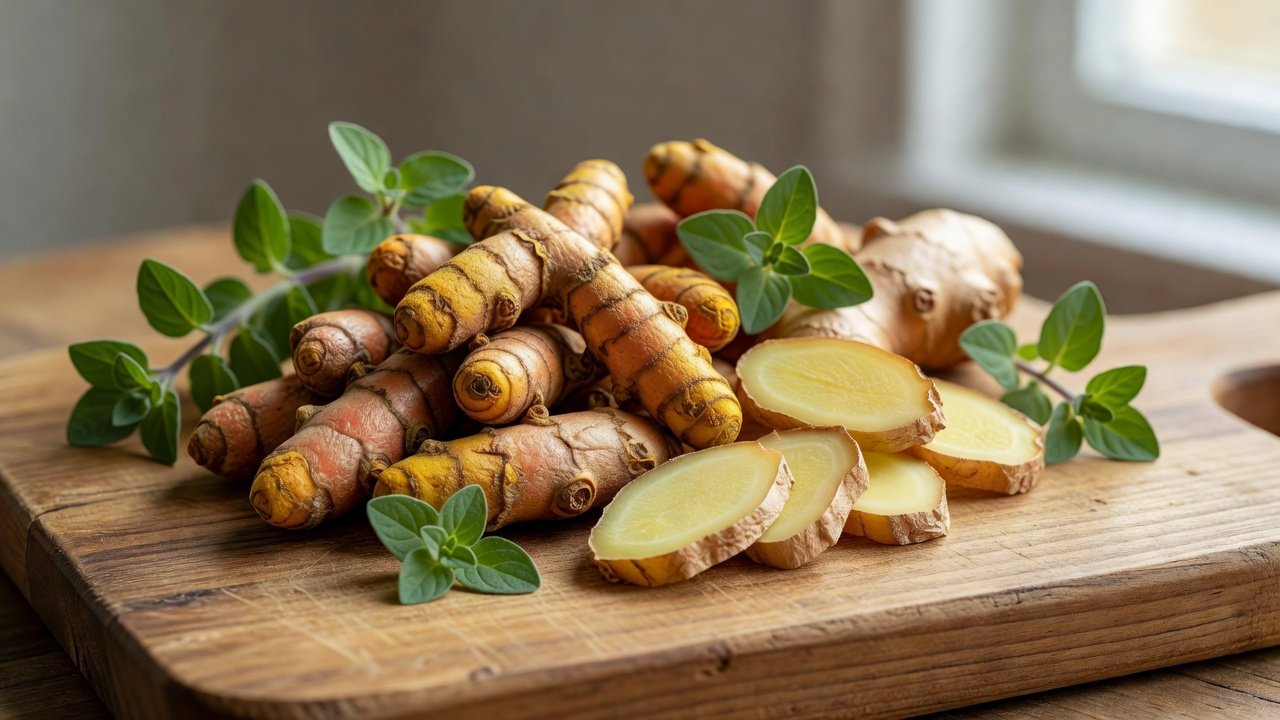
Everyday herbs and spices offer powerful, accessible ways to support gut health beyond standard probiotics. In 2026, research continues to highlight anti-inflammatory compounds in turmeric, ginger, and oregano that influence microbiome diversity and digestion. These natural additions help users seeking practical, evidence-based routines integrate seamlessly into meals for lasting benefits. The human gut microbiome consists of trillions of microorganisms that affect everything from nutrient absorption to immune function, and targeted spice use can promote beneficial strains while curbing inflammation.
Understanding the Microbiome and Digestion Connection
The gut microbiome plays a central role in breaking down food, producing vitamins, and maintaining the intestinal barrier. Disruptions from poor diet or stress can lead to dysbiosis, causing bloating, irregular bowel movements, and reduced probiotic efficacy. Herbs and spices rich in polyphenols and essential oils help restore balance by modulating bacterial populations and supporting enzyme production. National Center for Biotechnology Information resources detail how plant compounds interact with gut flora to enhance short-chain fatty acid production, which fuels colon cells and reduces systemic inflammation.
The Science Behind Turmeric's Anti-Inflammatory Compounds
Turmeric's primary active compound, curcumin, has been extensively studied for its ability to inhibit NF-kB pathways that drive gut inflammation. This supports the growth of Lactobacillus and Bifidobacterium species while limiting pathogenic overgrowth. In daily practice, pairing turmeric with black pepper increases bioavailability by up to 2000 percent through piperine inhibition of liver metabolism. Users report smoother digestion after incorporating 500 mg standardized extract into morning routines, with noticeable reductions in post-meal discomfort within two weeks.
Ginger's Role in Motility and Probiotic Support
Gingerols and shogaols in ginger accelerate gastric emptying and stimulate digestive secretions, making it ideal for those with sluggish digestion. It also exhibits prebiotic-like effects by fostering a favorable environment for existing probiotics. Fresh ginger root added to smoothies or teas provides immediate relief from nausea and gas. For best results, consume 1-2 grams daily, either grated into warm water or sautéed in vegetable dishes, allowing gradual adaptation without overwhelming the stomach lining.
Oregano and Its Antimicrobial Balance
Oregano contains carvacrol and thymol, which demonstrate selective antimicrobial activity against harmful bacteria like E. coli while sparing beneficial strains when used in moderation. This makes it a valuable tool for microbiome maintenance rather than broad disruption. Enteric-coated oregano oil capsules at 100-200 mg daily minimize upper GI irritation. Dried oregano sprinkled on meals offers a gentler alternative for ongoing support, enhancing flavor while contributing to microbial equilibrium.
Comparing Effects on Probiotic Activity Across Spices
Turmeric primarily boosts antioxidant defenses and probiotic adhesion to the gut wall. Ginger excels at enzyme activation and motility improvement, complementing fermented foods like yogurt or kefir. Oregano provides targeted pathogen control but requires cycling every few weeks to prevent over-suppression of diversity. Combining all three creates synergistic effects: turmeric reduces inflammation, ginger improves transit, and oregano maintains microbial order. Practical comparisons show users achieve faster symptom relief with blends versus single-spice approaches.
Recommended Dosages and Timing for Daily Integration
Begin conservatively to assess tolerance. Turmeric extract at 500 mg with meals, ginger at 1 gram fresh or 500 mg dried, and oregano at 150 mg oil or 1 teaspoon dried herb represent safe starting points. Timing matters—turmeric with breakfast leverages daytime activity, ginger tea mid-afternoon curbs evening bloating, and oregano in dinner recipes supports overnight repair. Track intake in a simple journal to identify optimal personal responses.
Simple Recipes for Daily Meals
These recipes require minimal kitchen time and use common pantry items.
Golden Turmeric Morning Tea
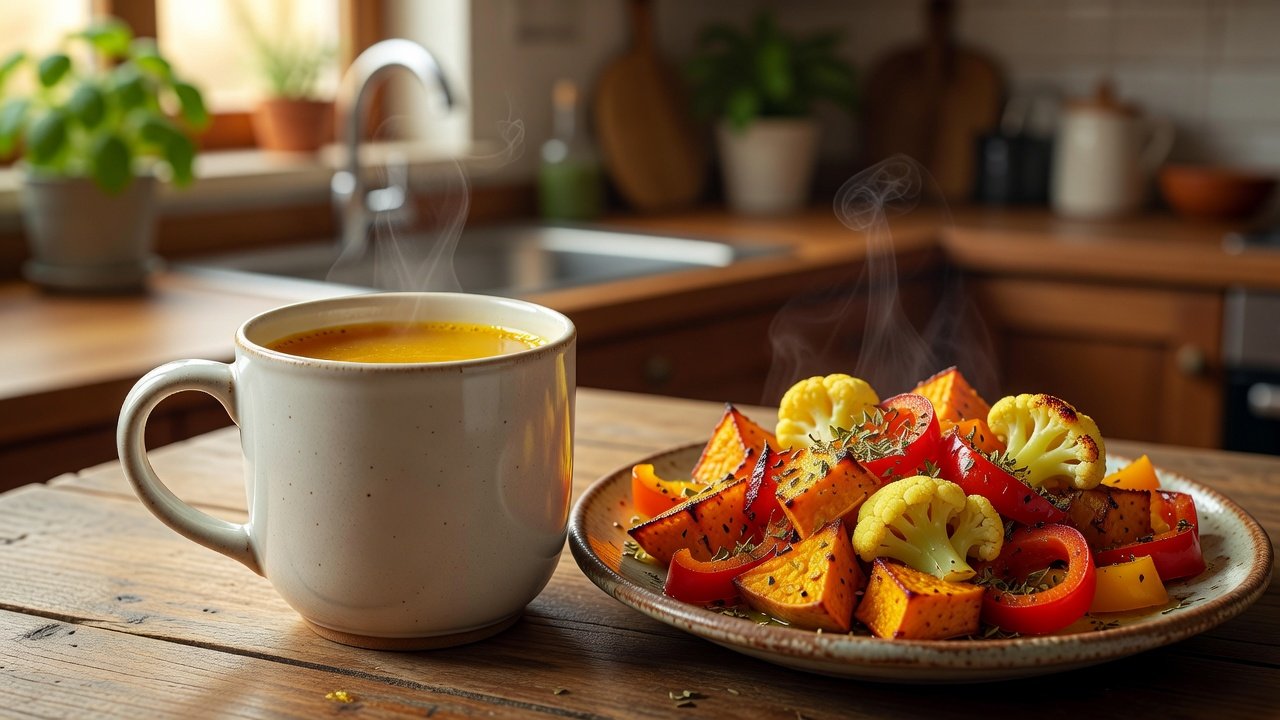
- Bring 250 ml water to a simmer and whisk in 1 teaspoon turmeric powder with a pinch of black pepper.
- Add 1 teaspoon freshly grated ginger and steep for five minutes.
- Strain into a mug, add a squeeze of lemon for vitamin C synergy, and enjoy before breakfast.
Ginger-Oregano Roasted Vegetables
- Preheat oven to 200°C. Toss 400 grams mixed root vegetables with 15 ml olive oil, 1 teaspoon dried oregano, and 2 teaspoons grated ginger.
- Spread evenly on a baking sheet and roast 25-30 minutes until caramelized.
- Serve alongside protein sources to aid complete digestion and nutrient uptake.
Step-by-Step Integration Guide Over Four Weeks
Week one focuses on turmeric tea once daily. Week two adds ginger to lunch preparations. Week three introduces oregano into two evening meals. Week four combines all three while monitoring stool consistency and energy levels. Adjust portions based on individual tolerance and consult professionals if symptoms persist. This gradual method prevents digestive overload and builds sustainable habits.
Mistakes to Avoid When Using Herbs and Spices
- Skipping black pepper with turmeric reduces absorption dramatically.
- Using excessive oregano oil without enteric coating can irritate the esophagus.
- Ignoring personal allergies, especially to Lamiaceae family plants, risks adverse reactions.
- Combining with blood-thinning medications without medical advice may amplify effects.
- Expecting overnight results leads to premature discontinuation before microbiome shifts occur.
Potential Interactions with Existing Supplements
These spices may enhance or alter absorption of iron, certain antibiotics, and anti-inflammatory drugs. Space doses two hours apart from multivitamins when possible. Individuals on prescription regimens should review additions with a pharmacist or physician to avoid unintended synergies. Mayo Clinic provides general guidance on herbal interactions for safe self-management.
Tracking Progress and Long-Term Maintenance
Monitor bloating frequency, bowel regularity, and overall comfort weekly. Many notice improvements in microbiome-related markers such as reduced cravings for processed foods after consistent use. Maintain gains by rotating spice emphasis seasonally and pairing with diverse plant fibers for continued prebiotic support. World Health Organization emphasizes dietary diversity as foundational to digestive wellness worldwide.
Common FAQs
- Can these replace probiotics? They complement rather than replace, enhancing existing microbiome support when used alongside fermented foods.
- How soon do results appear? Many notice better digestion within 2-4 weeks of consistent use, though full microbiome shifts may take 8-12 weeks.
- Are fresh or dried forms better? Fresh often retain more active compounds, but high-quality dried versions work well too and offer convenience.
- What if I have existing allergies? Test small amounts first and discontinue if any rash, swelling, or breathing issues arise.
- Is overconsumption a concern? Yes, excessive intake of any single spice can cause nausea or interact with medications; adhere to moderate daily amounts.
Conclusion
Herbs and spices provide targeted, affordable support for microbiome balance and digestion. With consistent integration and mindful dosing, they deliver evidence-backed improvements that fit any routine. Explore these hacks to optimize gut health naturally throughout 2026 and beyond.

No comments yet. Be the first!