 Slow Bio Hack
Introduction to Bitter Foods for Gut Health
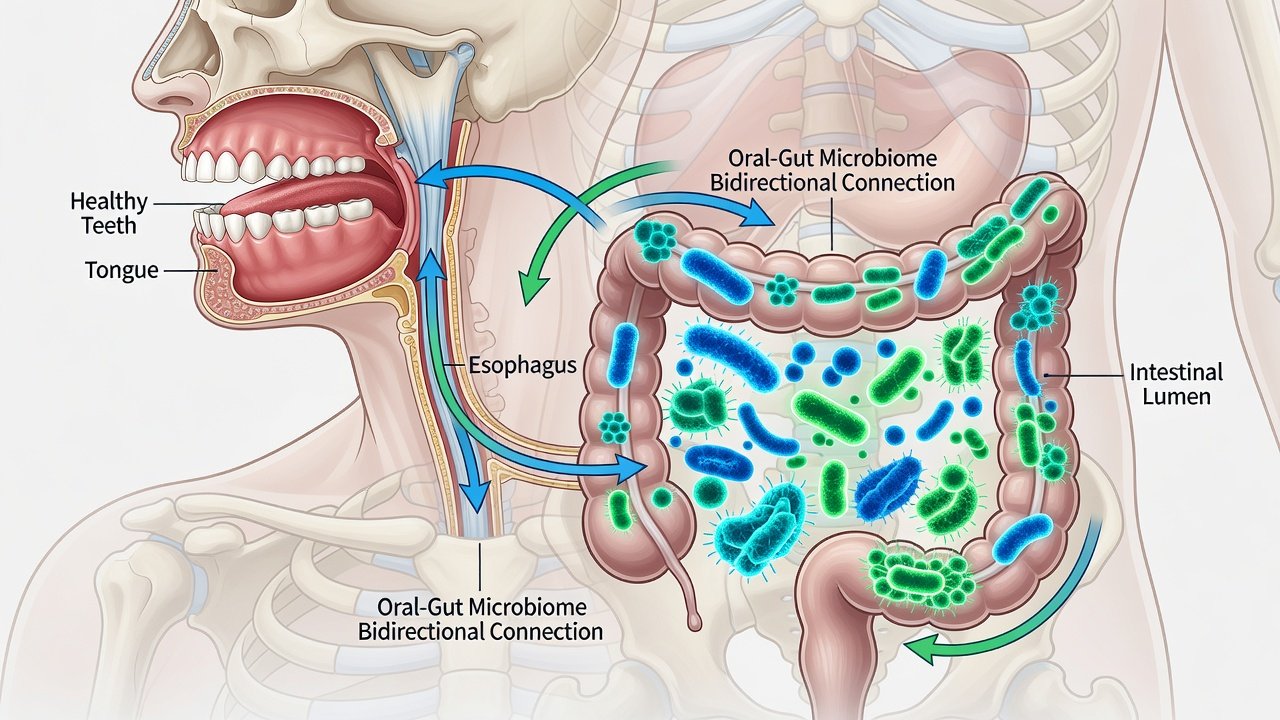
Bitter foods represent an underutilized natural approach to improving digestion and supporting the microbiome. Unlike many modern diets heavy in sweet and processed items, incorporating bitters can trigger key physiological responses that enhance enzyme production and microbial balance. This guide provides in-depth, practical strategies for using bitter foods without supplements, focusing on real-world application for better gut function.
The science behind bitters centers on their interaction with bitter taste receptors throughout the digestive tract. These receptors signal the body to release digestive enzymes and bile, which breaks down fats more efficiently and aids nutrient absorption. Readers seeking natural digestion tips will find concrete steps here to integrate these foods daily.
The Science of Bitters and Bile Production
Bitter compounds activate T2R receptors in the mouth, stomach, and intestines. This activation stimulates cholecystokinin release, prompting the gallbladder to release bile. Enhanced bile flow supports fat digestion and helps maintain a healthy gut environment by reducing inflammation. Studies from authoritative sources like the National Institutes of Health highlight these mechanisms as foundational for natural digestive support.
Further research shows that regular exposure to bitter compounds can increase bile acid production by up to 20-30 percent in some individuals, leading to improved lipid metabolism and reduced symptoms of indigestion. The process also influences the gut-brain axis, potentially lowering stress-related digestive issues over time. Understanding this science helps explain why bitter foods outperform many isolated prebiotic supplements for holistic microbiome support.
Top Bitter Foods and Their Benefits
Several readily available foods deliver potent bitter compounds. Here are detailed examples with preparation guidance:
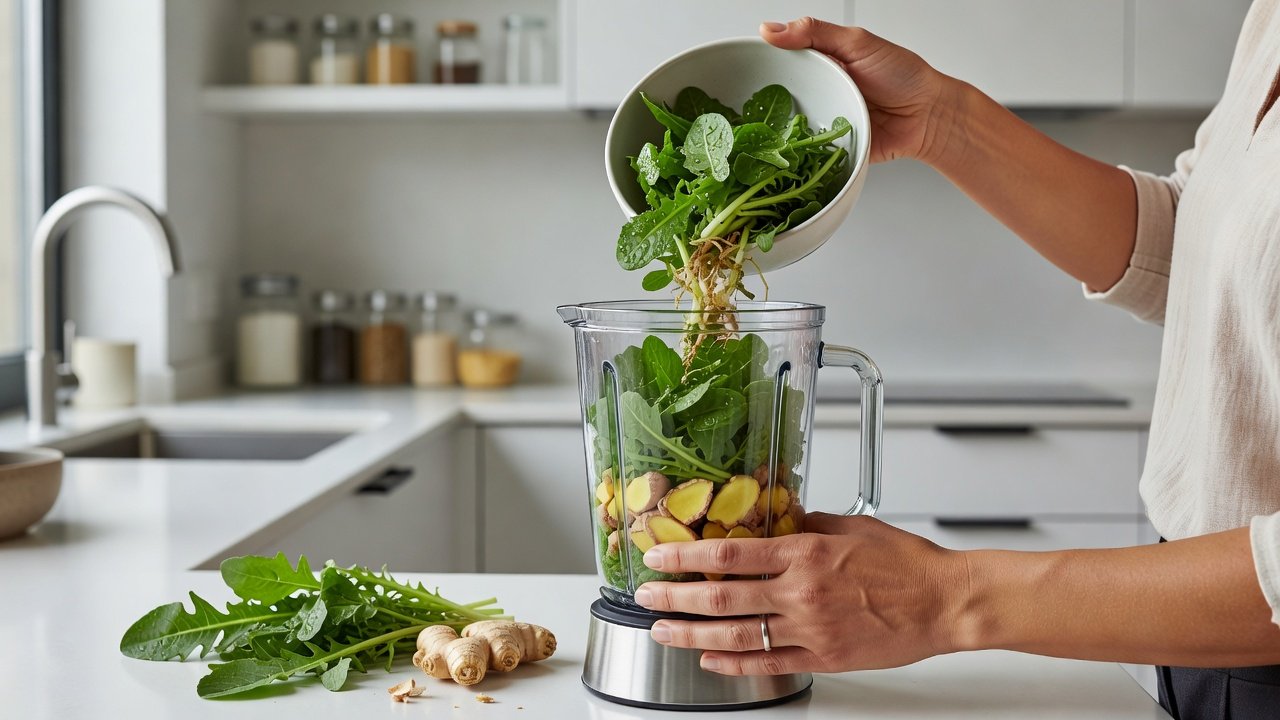
- Dandelion greens: Rich in inulin, a prebiotic fiber that feeds beneficial bacteria like Bifidobacteria. These greens also contain sesquiterpene lactones that stimulate liver function. Prepare by blanching briefly to reduce intensity or add raw to salads with lemon dressing.
- Chicory root: Contains high levels of inulin and has been used traditionally for liver and digestive support. Roast the root as a coffee substitute or use the leaves in salads for milder flavor.
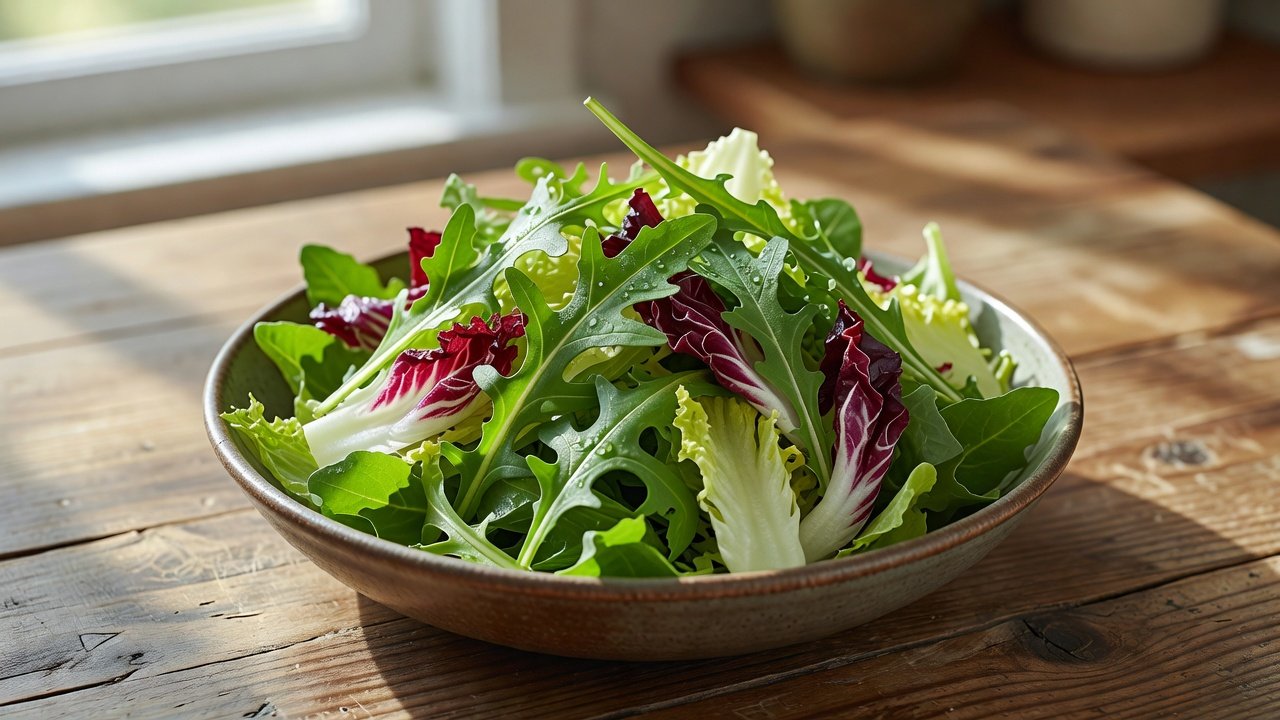
- Arugula and radicchio: Provide glucosinolates that support detoxification pathways. Arugula works well in pesto recipes, while radicchio can be grilled to mellow bitterness.
- Endive and escarole: Offer mild bitterness ideal for beginners. Endive boats make excellent vehicles for healthy fillings like hummus or nut butter.
- Dark leafy greens like kale in its raw form: Deliver additional fiber and antioxidants when massaged with oil to improve palatability.
These options outperform many common prebiotics in versatility because they combine bitterness with diverse phytonutrients that promote both enzyme activity and bacterial diversity.
7-Day Incorporation Plan with Recipes
Follow this structured plan to gradually introduce bitters and track progress. Each day includes specific recipes and measurable checkpoints.
Day 1-2: Start Simple
Add a small handful of arugula to salads. Measure digestion by noting post-meal comfort on a 1-10 scale. Recipe: Simple arugula salad with olive oil, lemon, and walnuts. Shopping list addition: fresh arugula and walnuts.
Day 3-4: Increase Variety
Try a dandelion green smoothie: blend 1 cup dandelion greens, banana, and ginger. Add a side of endive with dip. Shopping list includes fresh dandelion greens, bananas, and ginger root.
Day 5-7: Full Integration
Incorporate chicory-roasted coffee alternative and endive side dishes. Recipe example: Sauté endive with olive oil and garlic for 5 minutes. Advanced recipe: Chicory root tea simmered with cinnamon for 10 minutes. Track outcomes such as reduced bloating frequency and improved regularity. Full weekly shopping list: dandelion greens, chicory root and leaves, arugula, radicchio, endive, olive oil, garlic, ginger, bananas, walnuts, lemon, cinnamon.
By day seven, most people notice easier digestion after fatty meals and more consistent energy levels.
Comparisons to Common Prebiotics
While inulin supplements or bananas provide prebiotic benefits, bitter foods offer additional bile-stimulating effects that standard prebiotics lack. For instance, chicory delivers both prebiotic fiber and bitterness, creating a dual-action benefit compared to plain oat fiber. Compared to garlic or onions, which focus mainly on feeding bacteria, bitter greens actively trigger digestive secretions. This makes them superior for individuals with sluggish digestion or low bile output. The Mayo Clinic emphasizes whole-food approaches for sustainable gut health over isolated compounds.
Measuring Outcomes and Tracking Progress
Monitor digestion improvements weekly: note stool consistency using the Bristol Stool Scale, energy levels after meals, and any reduction in heartburn. Many users report noticeable changes within 7-14 days of consistent use. Additional metrics include tracking daily bowel movements, reduced gas, and better sleep quality linked to improved gut function. Keep a simple journal noting these factors before and after the 7-day plan for objective results.
Mistakes to Avoid When Adding Bitter Foods
Common errors include starting with large portions that cause discomfort, ignoring seasonal availability for freshest produce, or failing to pair bitters with fats for better absorption. Another pitfall is expecting instant results without consistent intake. Always source organic when possible to minimize pesticide exposure that could counteract benefits.
FAQ: Common Concerns About Bitter Foods
How do I adapt to the taste?
Start with milder options like endive and pair with healthy fats. Taste buds typically adjust within one to two weeks of regular exposure.
Are there any side effects?
Excessive intake may cause mild digestive upset initially; begin with small portions and increase gradually.
Can children or pregnant individuals use them?
Consult a healthcare provider, as with any dietary change, to ensure safety.
Do bitter foods interact with medications?
Some may affect bile-related drugs; professional medical advice is recommended before major changes.
What if I cannot find fresh options?
Frozen or dried versions retain many benefits and can be used in smoothies or teas.
Conclusion
Bitter foods offer a sustainable, food-first method to enhance digestion and microbiome health. By following the plan, avoiding common mistakes, and tracking results, readers can achieve lasting benefits through consistent, natural incorporation. Start today with one bitter item at your next meal for immediate progress toward better gut function.

No comments yet. Be the first!