 Slow Bio Hack
Introduction: The Surprising Oral-Gut Connection
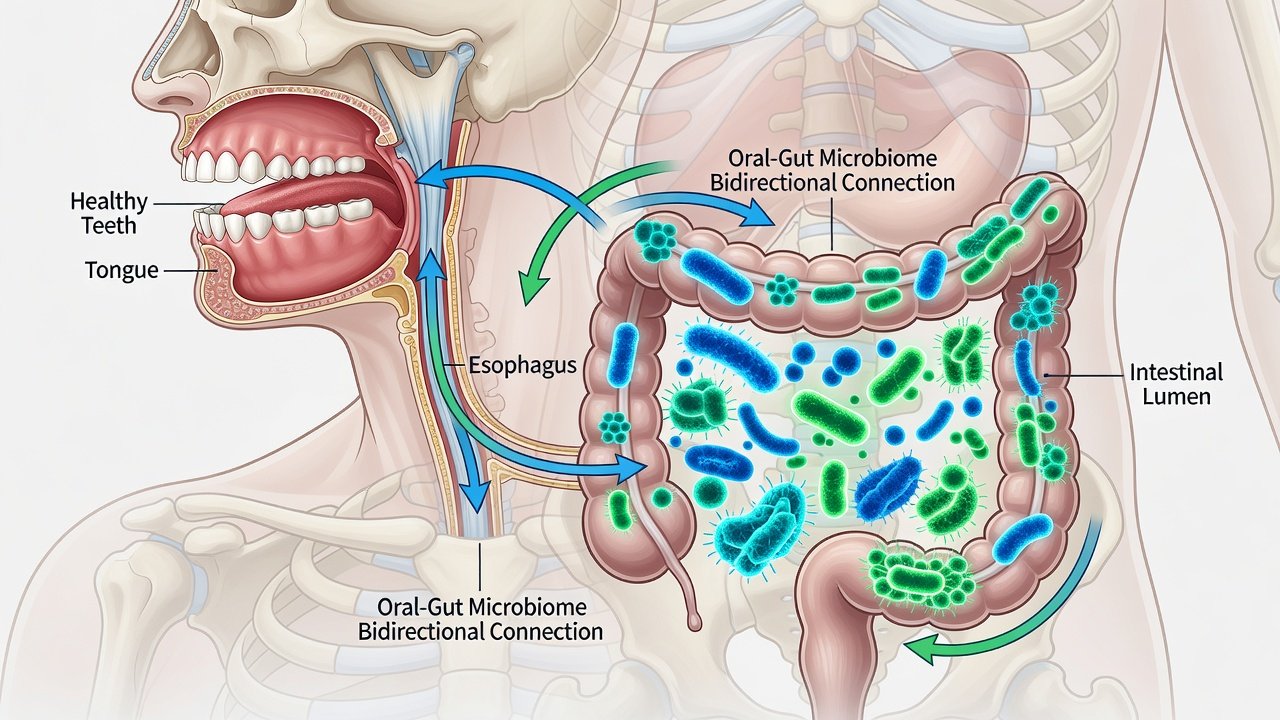
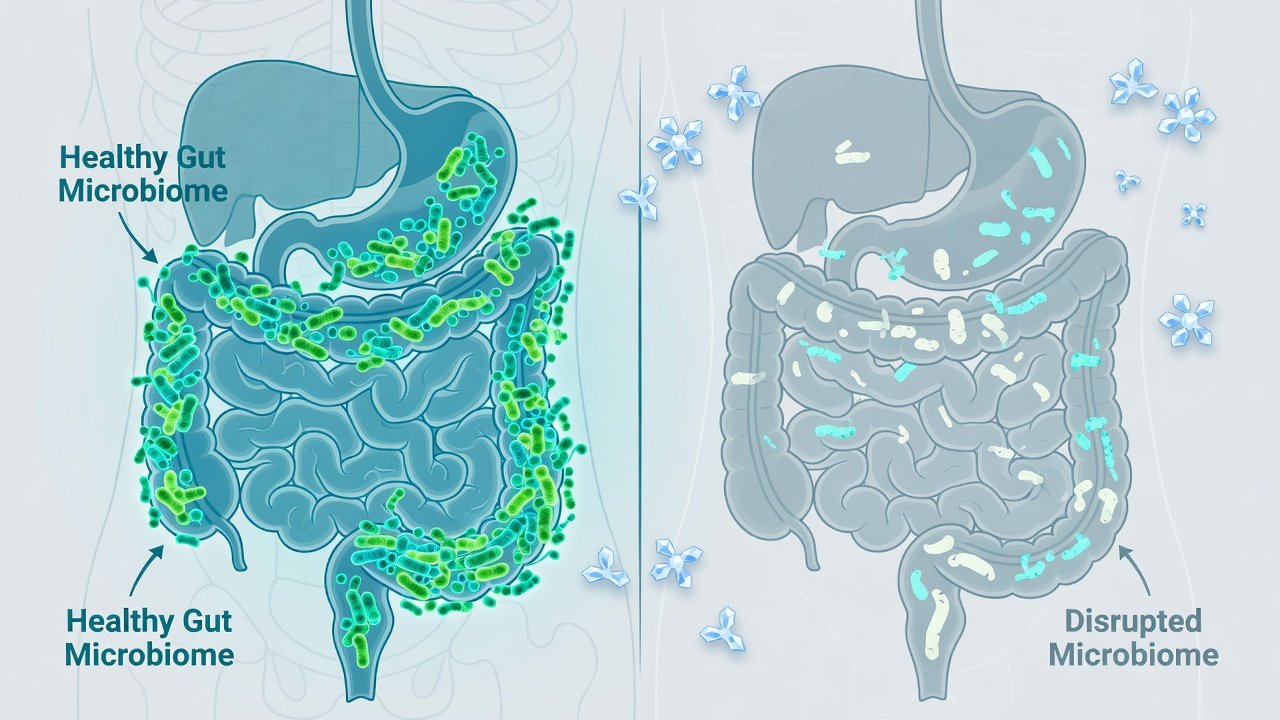
In 2026, emerging research continues to highlight the bidirectional relationship between oral bacteria and the gut microbiome, influencing digestion and overall wellness. Poor oral hygiene allows harmful bacteria to migrate through the digestive tract, potentially leading to imbalances that manifest as bloating, irregular digestion, and inflammation. This comprehensive guide provides a how-to approach for optimizing both areas through science-backed strategies, practical routines, dietary recommendations, and real-life examples to help readers achieve lasting improvements.
The Science of the Oral-Gut Axis
The oral-gut axis refers to the pathway where oral microbes travel via saliva and the esophagus to influence intestinal flora. Studies show that dysbiosis in the mouth can seed similar issues downstream. National Institutes of Health resources detail how periodontal pathogens contribute to systemic effects. Maintaining microbial diversity in the mouth supports probiotic populations in the gut, creating a feedback loop essential for nutrient absorption and immune function. Additional insights from microbiome research reveal that over 700 species of bacteria reside in the oral cavity alone, many of which can influence the trillions of microbes in the intestines when swallowed repeatedly throughout the day.
How Poor Oral Hygiene Disrupts Digestion
When plaque and tartar build up, pathogenic bacteria like Porphyromonas gingivalis proliferate. These organisms can translocate to the intestines, reducing beneficial strains such as Lactobacillus and Bifidobacterium. Real-world cases demonstrate that individuals with untreated gum disease often report increased bloating and slower transit times until oral issues are addressed. The disruption occurs because harmful oral bacteria produce inflammatory compounds that alter gut permeability, allowing toxins to enter the bloodstream and further impair digestive efficiency.
Daily Oral Care Routines That Support Probiotics
Establish a consistent regimen starting with gentle brushing twice daily using a soft-bristle toothbrush. Follow with flossing to remove interdental debris. Incorporate tongue scraping to eliminate the bacterial biofilm that harbors pathogens. For oil pulling, swish one tablespoon of organic coconut oil for 10-15 minutes each morning before spitting it out—this practice reduces oral bacterial load while preserving beneficial species. Expand your routine by adding a probiotic mouth rinse in the evening to introduce friendly bacteria directly into the oral environment, which then travels to support gut flora.
Step-by-step tongue scraping:
- Use a stainless steel scraper upon waking.
- Extend the tongue and glide the tool from back to front five to seven times.
- Rinse the scraper after each pass.
- Follow immediately with oil pulling.
Step-by-step oil pulling:
- Warm a teaspoon of coconut oil slightly.
- Swish gently without swallowing for the full duration.
- Spit into a trash bin to avoid plumbing issues.
- Rinse with warm water and brush normally.

Food Choices That Benefit Both Oral and Gut Health
Prioritize fiber-rich vegetables and fermented foods such as sauerkraut and kefir to nourish gut bacteria while supporting saliva production for oral pH balance. Avoid excessive sugar that feeds harmful oral microbes. Incorporate polyphenol sources like berries and green tea, which exhibit antimicrobial properties beneficial to both microbiomes. Create weekly meal plans featuring cruciferous vegetables, prebiotic fibers from garlic and onions, and probiotic-rich beverages to create synergy between oral and digestive health. Track intake for the first two weeks to identify which foods reduce symptoms most effectively.
Natural vs Commercial Oral Products Comparison
Natural options like neem toothpaste or xylitol rinses often contain fewer preservatives and may better preserve microbial diversity. Commercial fluoride-based products excel at enamel protection but can sometimes disrupt beneficial flora when overused. Users switching to natural alternatives frequently note improved breath and reduced sensitivity within weeks, though results vary by individual needs. Consider factors such as pH levels, absence of alcohol, and inclusion of prebiotic ingredients when choosing products for long-term microbiome support.
Real-World 30-Day Digestion Improvement Examples
One participant with chronic bloating began daily tongue scraping and oil pulling alongside increased fermented food intake. After 30 days, reported digestion normalized with fewer gas episodes and better energy levels, attributed to reduced oral bacterial translocation. Another case involved switching from alcohol-based mouthwash to a herbal alternative, resulting in measurable gut flora improvements via at-home testing kits. A third example featured a busy professional who added tongue scraping and reduced refined carbs; within the month, they experienced less post-meal discomfort and improved regularity, highlighting how small consistent changes compound over time.
Monitoring Your Progress
To track improvements, maintain a simple journal noting daily oral symptoms, digestion patterns, and energy levels. Use at-home microbiome test kits every 30 days to observe shifts in bacterial diversity. Schedule professional dental cleanings quarterly and discuss any gut concerns with your healthcare provider for integrated care.
Common Mistakes to Avoid
- Over-brushing aggressively, which damages gums and allows more bacteria entry.
- Skipping flossing, leaving food particles that feed harmful oral microbes.
- Using harsh mouthwashes that kill both good and bad bacteria indiscriminately.
- Ignoring tongue hygiene, where most bacteria reside.
FAQ: Common Symptoms Like Bloating Linked to Dental Issues
- Can bad teeth cause bloating? Yes, swallowed oral bacteria can alter gut flora, leading to fermentation imbalances and gas.
- How long until oral changes affect digestion? Improvements often appear within 2-4 weeks of consistent hygiene upgrades.
- Are probiotics enough without oral care? No—addressing the mouth is foundational since it serves as the entry point.
- What symptoms warrant professional help? Persistent bleeding gums combined with digestive distress merit both dental and gastroenterology evaluation.
- Does stress impact the oral-gut axis? Yes, stress reduces saliva flow and alters microbiome composition in both areas.
Conclusion
Optimizing the oral-gut axis through targeted hygiene and diet delivers compounding benefits for digestion and microbiome health. Begin with simple daily practices today to experience meaningful shifts within a month.
No comments yet. Be the first!