 Slow Bio Hack
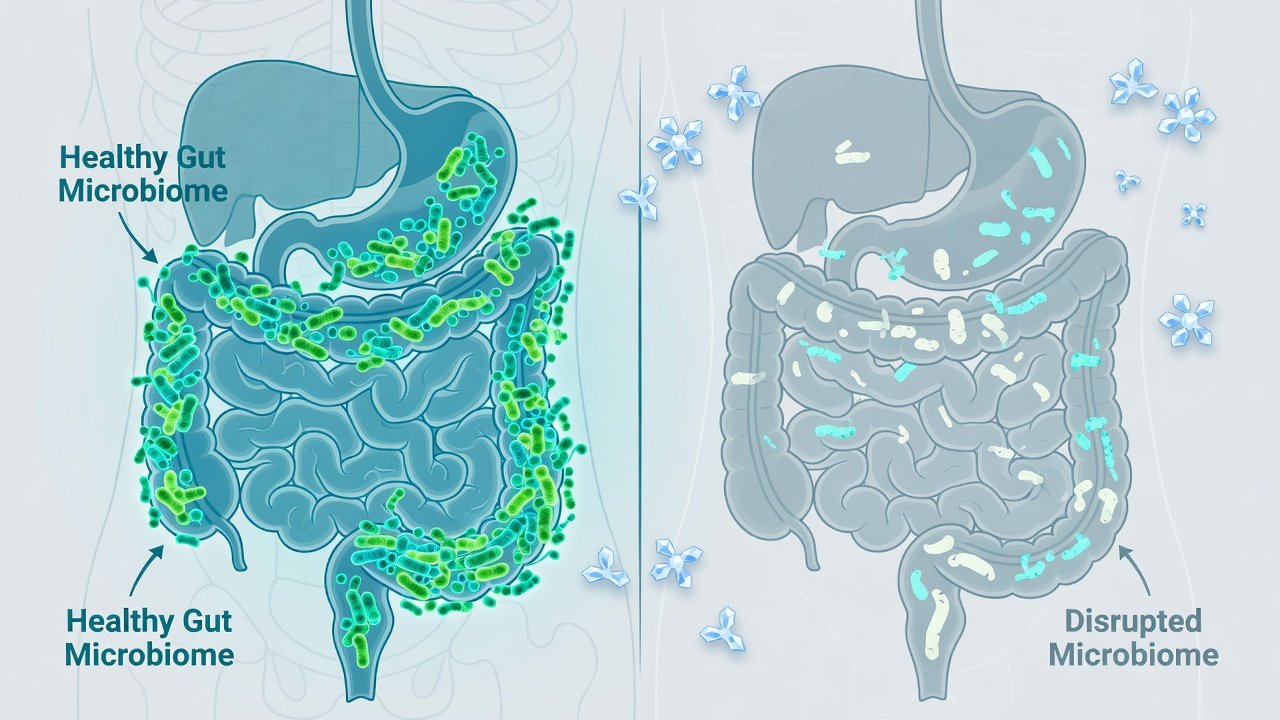
Introduction: The Hidden Gut Impact of Artificial Sweeteners
Artificial sweeteners like aspartame, sucralose, and saccharin promise zero-calorie sweetness but may come at a steep cost to your gut health. Emerging research shows these additives can alter the delicate balance of your microbiome, leading to bacterial imbalance, inflammation, and reduced diversity. This affects digestion, immunity, and even mood. If you're searching for evidence-based warnings on gut health, microbiome damage, and practical digestion tips, this guide breaks down the science with actionable steps. Many people consume these sweeteners daily in diet sodas, sugar-free snacks, and protein powders without realizing the potential long-term effects on their digestive system. Understanding the mechanisms can help you make informed choices for better overall wellness.
How Artificial Sweeteners Affect the Microbiome
The gut microbiome consists of trillions of bacteria that aid digestion, produce vitamins, and regulate inflammation. Artificial sweeteners pass through the digestive tract largely unabsorbed and interact directly with these microbes. They can inhibit the growth of beneficial bacteria such as Lactobacillus and Bifidobacterium while encouraging the proliferation of strains associated with inflammation and metabolic dysfunction. Over time, this leads to lower microbial diversity, which is a hallmark of poor gut health. Reduced diversity makes the microbiome less resilient to stressors like infections or dietary changes, potentially resulting in chronic digestive issues.
Recent Research on Sweeteners and Microbiome Disruption
Studies reveal that non-nutritive sweeteners alter gut bacteria composition within weeks. They reduce beneficial strains like Bifidobacteria while promoting inflammatory species. This imbalance impairs digestion by slowing enzyme production and increasing gut permeability. Key findings link these changes to metabolic issues and digestive discomfort. For authoritative overviews, check NIH resources and WHO guidelines on food additives. Additional evidence from controlled trials demonstrates shifts in short-chain fatty acid production, which is critical for colon health and immune function. These changes can appear after just two weeks of regular consumption in some individuals.
Ranking the Worst Offenders
Not all sweeteners are equal in their gut effects. Here's a ranked list based on research into microbiome disruption:
- Sucralose: Strongly reduces bacterial diversity and promotes inflammation markers. Common in baked goods and beverages, it has been shown to decrease populations of beneficial anaerobes.
- Aspartame: Linked to shifts favoring harmful bacteria and digestive slowdown. It breaks down into compounds that may stress liver and gut interactions.
- Saccharin: Alters glucose tolerance via microbiome changes quickly. Often found in older diet products and tabletop packets.
- Acesulfame-K: Shows moderate diversity loss in animal models and lingers in the system longer than other options.
- Stevia blends with additives: Pure stevia is milder, but processed versions can still irritate sensitive digestive linings.
Impact on Digestion and Inflammation
Beyond microbiome shifts, these sweeteners can trigger low-grade inflammation in the intestinal lining. This may manifest as bloating, gas, irregular bowel movements, or heightened sensitivity to certain foods. The resulting increase in intestinal permeability allows larger molecules to enter the bloodstream, potentially contributing to systemic issues. People with existing conditions like IBS often report worsened symptoms after consuming sweetened products. Practical observation shows that eliminating these additives frequently leads to noticeable improvements in regularity and comfort within days to weeks.
Natural Sweetener Comparisons
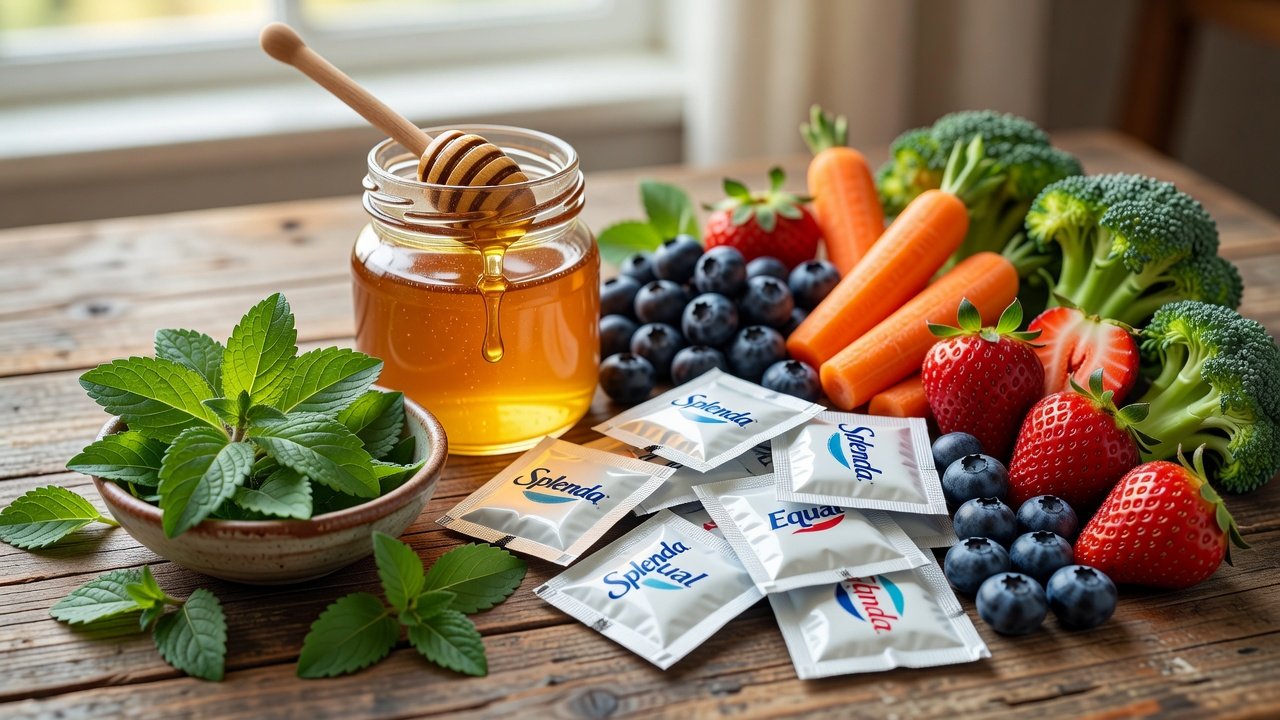
Switching to natural options supports better microbiome health. Honey and maple syrup offer prebiotic fibers that feed good bacteria. Monk fruit provides clean sweetness without the bacterial shifts seen in artificial versions. Compare labels carefully, as some "natural" products contain hidden artificial additives. Dates, mashed bananas, and applesauce serve as whole-food alternatives in recipes, adding nutrients alongside sweetness. These choices not only avoid disruption but actively nourish the gut lining through fiber content.
Daily Avoidance Strategies and Food Swaps
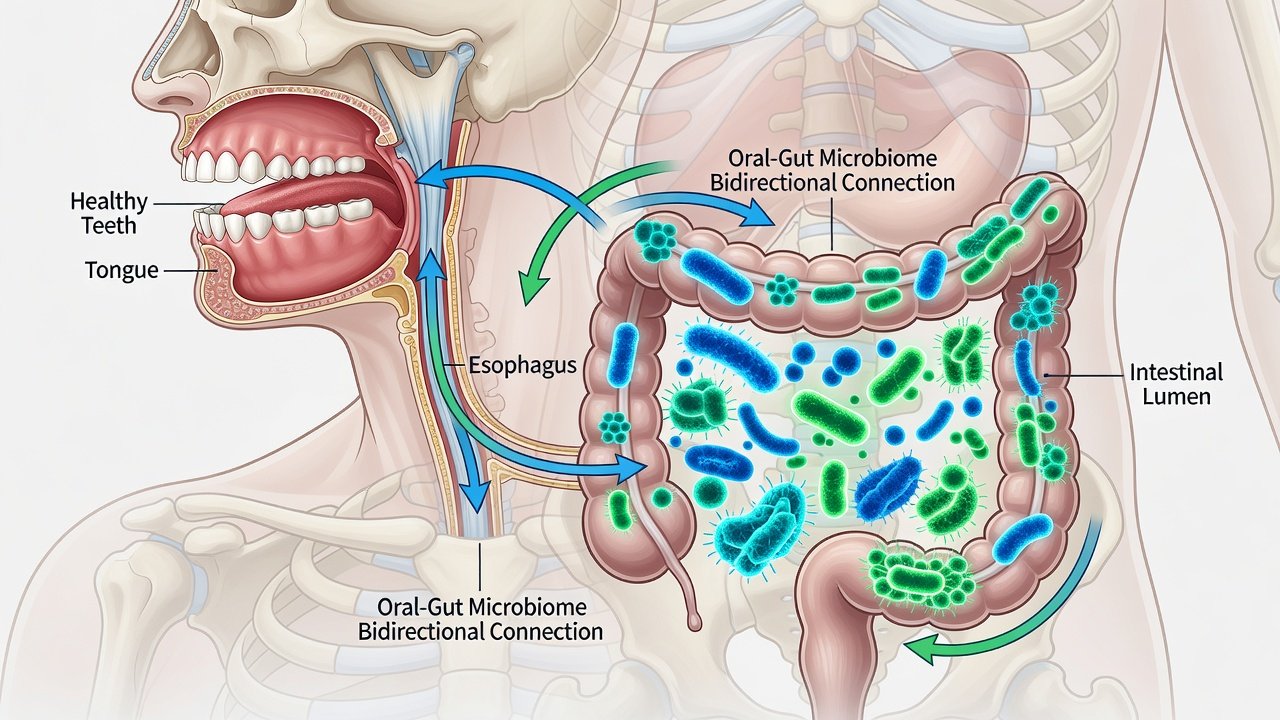
Start by reading every label for hidden sweeteners in yogurt, sodas, and protein bars. Swap diet drinks for sparkling water with fresh fruit. Replace sugar-free gum with options sweetened by xylitol, which may even support oral health without harming gut flora. Focus on whole foods to minimize exposure. Additional examples include choosing plain Greek yogurt and adding fresh berries instead of flavored varieties, or making smoothies with frozen fruit rather than pre-sweetened powders. When dining out, request drinks without sweeteners and opt for water infused with cucumber or mint. These small daily swaps accumulate into significant reductions in intake over time.
Step-by-Step Elimination Plan
Follow this 4-week plan for gut recovery:
- Week 1: Audit pantry and replace sweetened items with whole-food alternatives. Remove all diet sodas and check condiments for hidden sources.
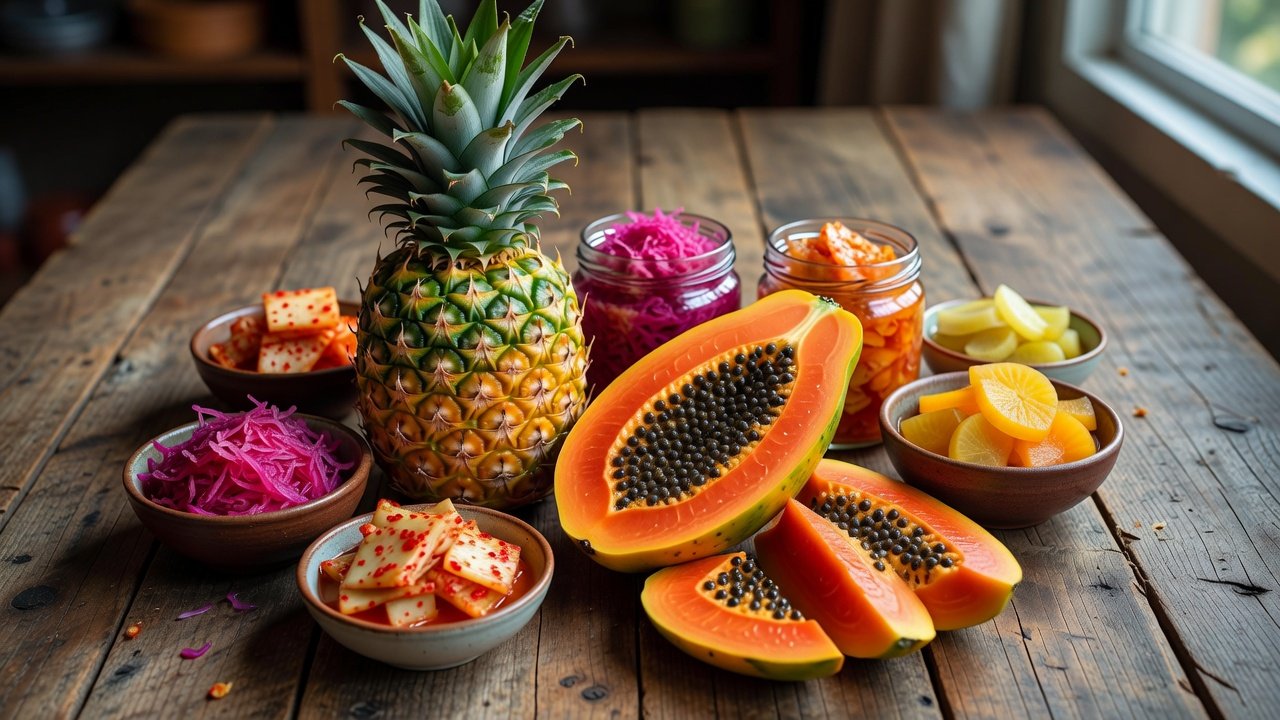
- Week 2: Introduce probiotic-rich foods like kefir and sauerkraut daily. Aim for at least one serving with each meal to begin repopulating beneficial strains.
- Week 3: Track symptoms such as bloating or irregular digestion in a journal. Note any improvements after specific swaps to identify personal triggers.
- Week 4: Reassess and add fiber from vegetables to rebuild diversity. Increase intake of leafy greens, garlic, and onions gradually while monitoring tolerance. Consult Mayo Clinic digestion tips for personalized advice.
Supporting Your Gut with Probiotics and Diet
During and after elimination, incorporating fermented foods and targeted prebiotics accelerates recovery. Examples include kimchi, miso soup, and resistant starch from cooled potatoes. Combine these with adequate hydration and stress management, as chronic stress can further impair microbiome balance. Many find that a diverse plant-based diet with 30+ different plant foods per week provides the broadest support for microbial variety.
Common Mistakes to Avoid
Avoid replacing artificial sweeteners with excessive natural sugars, which can feed unwanted bacteria. Do not rely solely on probiotic supplements without dietary changes, as food sources offer broader benefits. Skipping the label-reading step often leads to continued accidental exposure through seemingly healthy items like protein bars or flavored waters.
FAQ on Symptoms and Recovery
What symptoms indicate sweetener-related gut issues?
Common signs include persistent bloating, irregular bowel movements, and increased food sensitivities after consuming diet products.
How long does recovery take?
Many notice improvements in 2-4 weeks after elimination, with full microbiome diversity returning in 3-6 months through consistent probiotic and fiber intake.
Can probiotics reverse the damage?
Targeted strains may help restore balance, but pair them with avoidance for best results. Combining multiple strains with prebiotic fibers yields stronger outcomes.
Are all sugar alcohols safe for the gut?
Some like erythritol show fewer negative effects than artificial options, but high doses can still cause loose stools in sensitive individuals.
Should children avoid these sweeteners?
Developing microbiomes may be especially vulnerable, so minimizing exposure supports long-term digestive health.
Conclusion
Protecting your microbiome starts with awareness of artificial sweeteners. By ranking offenders, choosing natural swaps, and following an elimination plan, you can restore digestion and overall gut health. Prioritize evidence-based changes today for lasting benefits. Continued attention to labels and daily habits will help maintain these improvements over the long term.
No comments yet. Be the first!