 Slow Bio Hack
Introduction: Why Digestive Enzymes Matter for Your Gut in 2026
Digestive enzymes play a critical role in breaking down food into nutrients that support a diverse microbiome. Unlike basic probiotics, enzyme-rich whole foods provide targeted support for protein, fat, and carbohydrate digestion while feeding beneficial bacteria. In 2026, more people are turning to natural strategies that go beyond simple supplement routines to achieve lasting gut health improvements. This comprehensive guide explores the science behind digestive enzymes and their interaction with gut bacteria, highlights key food sources including pineapple, papaya, and fermented vegetables, and delivers a detailed step-by-step daily integration plan. Readers will also find comparisons between enzyme supplements and whole foods, practical meal examples, common pitfalls to avoid, and expert-backed answers to frequently asked questions about timing and dosages.
The Science of Digestive Enzymes and Gut Bacteria
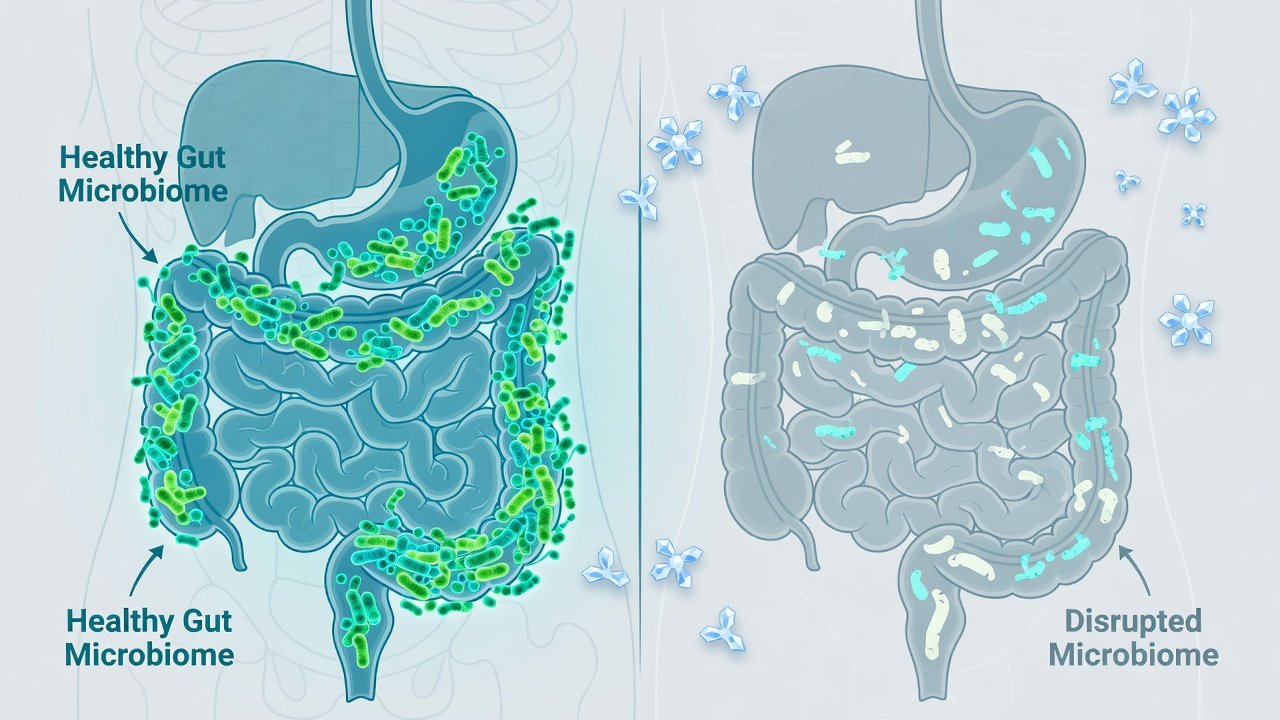
Digestive enzymes such as proteases, amylases, and lipases interact directly with the gut microbiome by breaking complex macronutrients into simpler compounds that beneficial bacteria can ferment efficiently. When food is properly broken down, fewer undigested particles reach the colon where they might otherwise promote the growth of harmful bacteria or cause inflammation. Research from Mayo Clinic highlights how consistent enzyme activity influences microbial diversity and reduces symptoms of irritable bowel syndrome. Enzymes from whole foods also deliver additional polyphenols and fibers that act as prebiotics, further supporting the microbiome. Studies show that individuals who regularly consume enzyme-rich produce experience improved short-chain fatty acid production, which strengthens the intestinal barrier and supports immune function. In 2026, experts emphasize sustainable, food-first approaches because these methods provide ongoing benefits without the risk of dependency on isolated supplements.
Key Enzyme-Rich Foods to Prioritize
Focus on these natural sources for maximum benefit and variety in your diet:
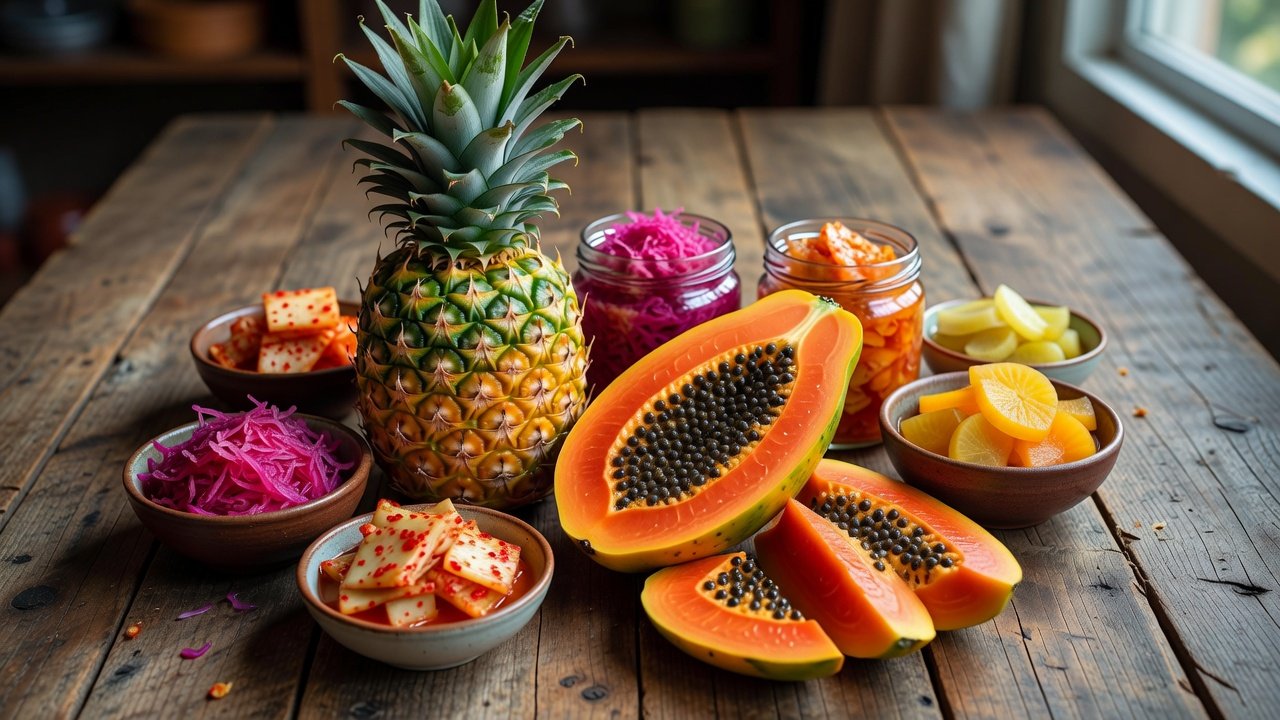
- Pineapple: Contains bromelain, a powerful protease that aids protein breakdown, reduces bloating, and may help decrease systemic inflammation. Fresh pineapple is ideal; aim for ripe fruit with bright color and sweet aroma.
- Papaya: Rich in papain, supporting digestion of tough proteins and easing occasional constipation. The fruit also contains vitamins A and C that support overall gut lining health.
- Fermented vegetables: Sauerkraut, kimchi, and other lacto-fermented options deliver both natural enzymes and live probiotics for dual microbiome support. The fermentation process itself generates additional enzymes that enhance nutrient absorption.
- Other valuable options: Mango provides amylase for carbohydrate digestion, kiwi offers actinidin for protein breakdown, and raw honey supplies multiple enzymes when used in moderation.
These foods outperform many supplements because they deliver enzymes alongside fiber, antioxidants, and polyphenols that nourish gut bacteria over time. Rotate between several options throughout the week to maintain microbial diversity.
Enzyme Supplements vs Whole Foods: A Clear Comparison
Whole foods offer synergistic nutrients, sustained enzyme release, and prebiotic compounds that supplements cannot replicate. They are generally more sustainable, affordable, and gentle on the digestive system for daily use. Enzyme supplements provide concentrated doses that can be helpful during acute digestive distress or travel, but they often lack the full spectrum of cofactors found in fresh produce. A balanced approach favors whole foods as the foundation, with targeted supplements reserved for specific deficiencies identified through professional testing. Always consult a healthcare provider before adding concentrated enzyme products to your routine.
Step-by-Step Daily Integration Plan
Follow this practical framework to incorporate enzyme-rich foods consistently:
- Begin each morning with ½ to 1 cup of fresh pineapple or papaya slices eaten slowly before breakfast.
- Prepare lunch and dinner to include at least one serving of fermented vegetables such as a small bowl of kimchi or sauerkraut.
- Finish the day with one kiwi or a teaspoon of raw honey stirred into herbal tea.
- Track symptoms, energy levels, and bowel regularity for two weeks, then adjust portion sizes based on your response.
- Rotate food choices weekly to prevent boredom and promote broader microbiome support.
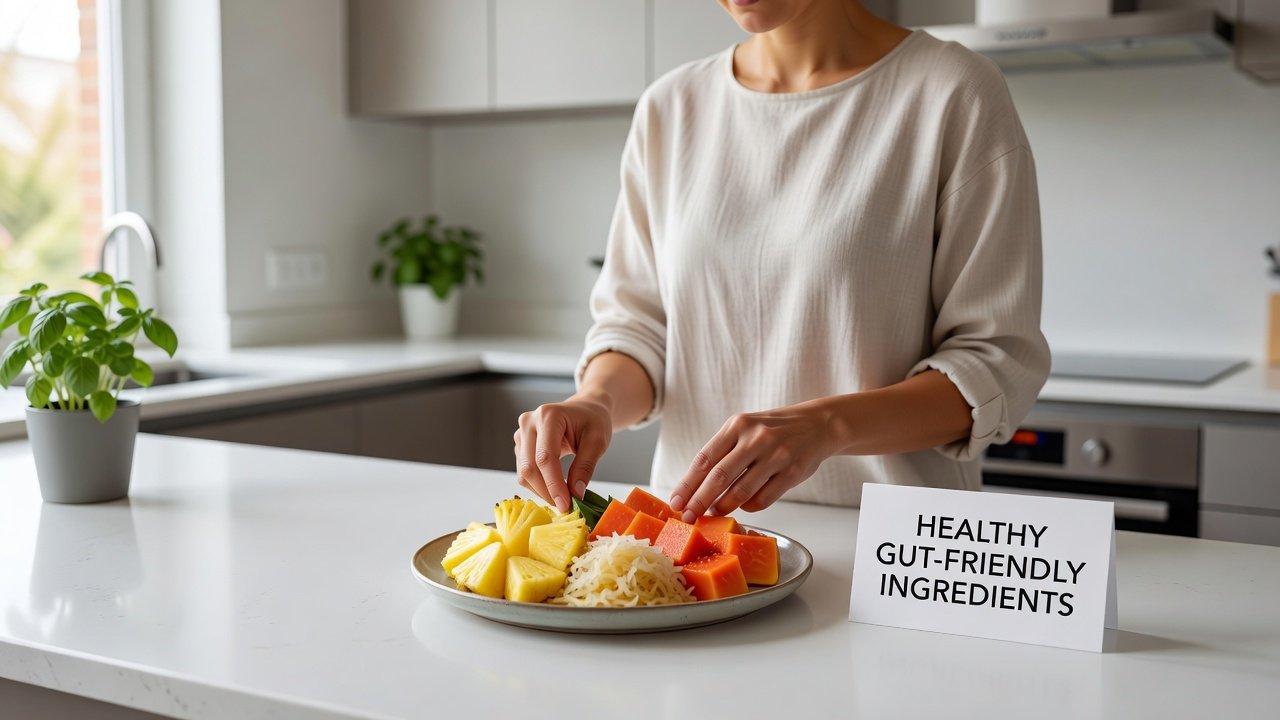
Sample daily meal plan: Breakfast smoothie blended with papaya, pineapple, and spinach; lunch quinoa bowl topped with kimchi and grilled chicken; dinner baked fish with mango salsa and steamed broccoli. For variety, try pineapple on oatmeal or papaya in a green salad.
Practical Meal Examples and Preparation Tips
Breakfast idea: Papaya boat filled with Greek yogurt and a drizzle of raw honey. Lunch idea: Tropical salad with mixed greens, pineapple chunks, avocado, and a side of fermented carrots. Dinner idea: Grilled salmon served with sautéed vegetables and a generous portion of homemade sauerkraut. To preserve enzyme activity, eat these foods raw or lightly steamed whenever possible. Avoid high-heat cooking methods that denature the enzymes. Store fresh produce in the refrigerator and consume within a few days of cutting for maximum potency.
Common Pitfalls to Avoid
Many people overcook enzyme-rich foods, destroying their activity before consumption. Others rely solely on supplements without incorporating dietary variety, which limits long-term microbiome benefits. Avoid combining high-enzyme meals with excessive antacids or proton pump inhibitors unless medically necessary, as these can neutralize digestive advantages. Introduce new foods gradually to prevent temporary gas or bloating. Another frequent mistake is choosing canned or processed versions that lack active enzymes; always opt for fresh or properly fermented products. Finally, inconsistent use reduces effectiveness—aim for daily inclusion rather than occasional large servings.
FAQ on Timing, Dosages, and 2026 Trends
When should I eat enzyme-rich foods for best results?
Consume them with or just before meals to maximize digestive support and nutrient absorption.
What are typical daily amounts for noticeable benefits?
One cup of fresh pineapple or papaya daily, plus one to two servings of fermented vegetables, provides meaningful enzyme and probiotic intake for most adults.
Are there emerging trends for 2026?
Current focus includes pairing enzyme foods with specific prebiotic fibers and using at-home microbiome testing kits for personalized adjustments. More individuals are also experimenting with seasonal rotations of tropical fruits and local fermented vegetables.
Can these foods help with specific digestive conditions?
Many people report reduced bloating and improved regularity, but results vary. Those with diagnosed conditions should work with a gastroenterologist for tailored advice.
How long does it take to see improvements?
Most individuals notice subtle changes within one to two weeks of consistent intake, with more significant microbiome shifts appearing after four to six weeks.
Conclusion
Incorporating enzyme-rich foods creates a sustainable foundation for microbiome health and superior digestion. By understanding the science, selecting high-quality sources, following a structured daily plan, and avoiding common mistakes, you can achieve meaningful improvements. Combine these habits with adequate hydration, stress management, and regular movement for optimal long-term results backed by current scientific understanding.
No comments yet. Be the first!