 Slow Bio Hack
Introduction to Bone Broth for Gut Health
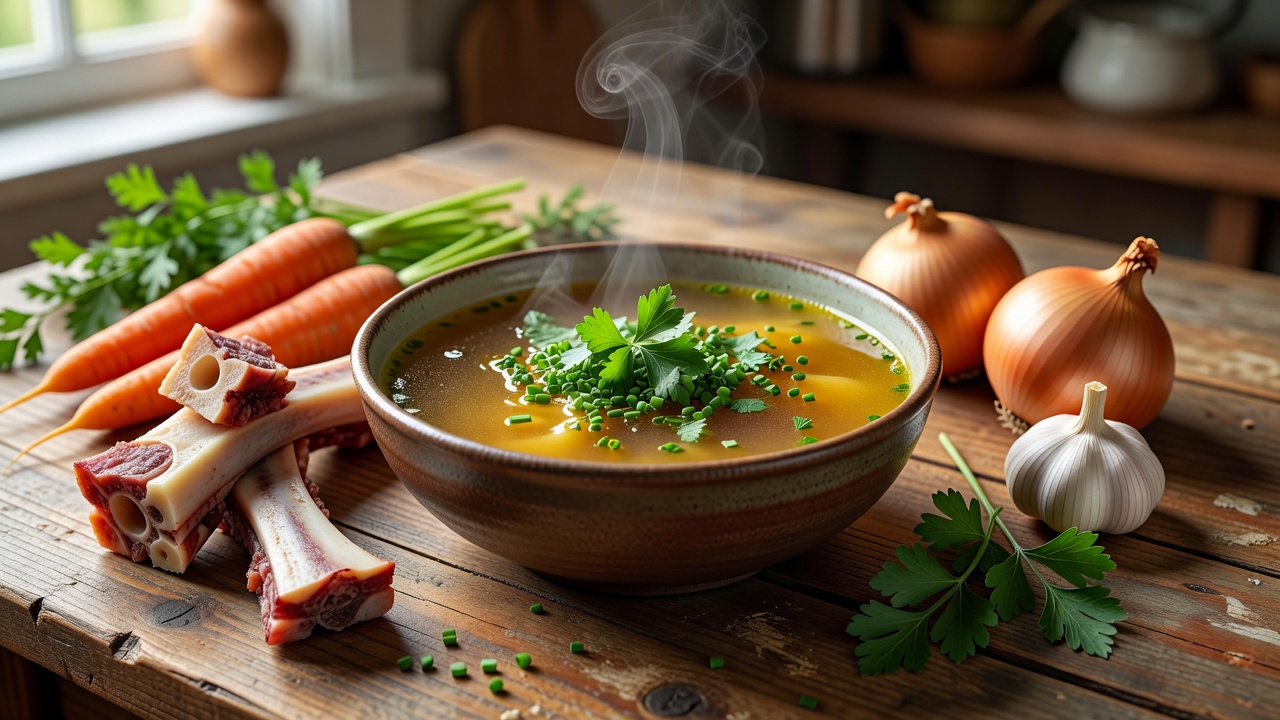
Bone broth has emerged as a powerful natural tool for supporting digestive wellness, particularly for repairing the intestinal lining and fostering a balanced microbiome. Rich in collagen, gelatin, and key amino acids like glutamine and glycine, it provides building blocks that help maintain the integrity of the gut barrier. This article explores the science, preparation methods, and recipes to integrate bone broth into your routine effectively. Readers seeking natural ways to support digestion will find detailed guidance on sourcing, simmering, and customizing broth for optimal results. Modern lifestyles often disrupt gut health through processed foods and chronic stress, making traditional remedies like bone broth increasingly relevant for daily wellness routines.
Understanding the mechanisms starts with recognizing how modern diets and stress can compromise the gut lining, leading to increased permeability. Bone broth's nutrients may help soothe inflammation and promote tissue repair, making it a staple in holistic approaches to digestion. Many people report improved regularity and reduced bloating after consistent use, though individual results vary based on overall diet and lifestyle factors.
The Science Behind Collagen and Amino Acids in Bone Broth
Collagen breaks down into gelatin during long simmering, delivering amino acids that support mucosal repair. Glutamine serves as fuel for intestinal cells, while glycine aids in reducing oxidative stress. Research from institutions like the National Institutes of Health highlights these compounds' roles in gut function. Pairing broth with microbiome-friendly ingredients amplifies benefits by feeding beneficial bacteria. The process of slow extraction also releases minerals such as calcium, magnesium, and phosphorus that contribute to overall digestive resilience. Studies on amino acid profiles show that prolonged cooking maximizes bioavailability, allowing the body to absorb these nutrients more efficiently than from shorter-cooked stocks.
Leaky gut, or increased intestinal permeability, occurs when tight junctions in the intestinal wall loosen. Glutamine specifically helps restore these junctions, while proline and hydroxyproline from collagen support connective tissue throughout the digestive tract. This makes bone broth a complementary option alongside other gut-supportive practices like adequate hydration and fiber intake.
Sourcing Quality Bones and Essential Equipment
Start with bones from grass-fed, pasture-raised animals to maximize nutrient density and minimize contaminants. Options include beef knuckles, chicken carcasses, or fish heads from trusted local butchers or farmers' markets. Look for bones with visible marrow and cartilage for richer extraction. Essential tools are a large stockpot or slow cooker, fine-mesh strainer, and storage jars. Simmer times range from 12 to 24 hours for optimal extraction without overcooking. A pressure cooker or Instant Pot can reduce time to 3-4 hours while achieving similar nutrient levels, though stovetop methods often yield deeper flavor.
When purchasing, ask vendors about animal origin and avoid bones from conventional sources treated with antibiotics. Organic options provide peace of mind regarding hormone residues. Home cooks can also save bones from roasted chickens or steaks throughout the week to build a freezer stash, reducing waste and ensuring a steady supply.
Adding Microbiome-Friendly Vegetables and Herbs
Enhance broth with prebiotic-rich veggies like onions, garlic, leeks, and carrots. Herbs such as parsley, turmeric, and ginger add anti-inflammatory properties and flavor. These additions provide fiber that supports microbial diversity in the gut. Consider adding celery root, fennel, or mushrooms for additional umami and prebiotic content. A typical ratio uses two parts bones to one part vegetables by weight for balanced taste and nutrition.
Classic Beef Bone Broth Recipe
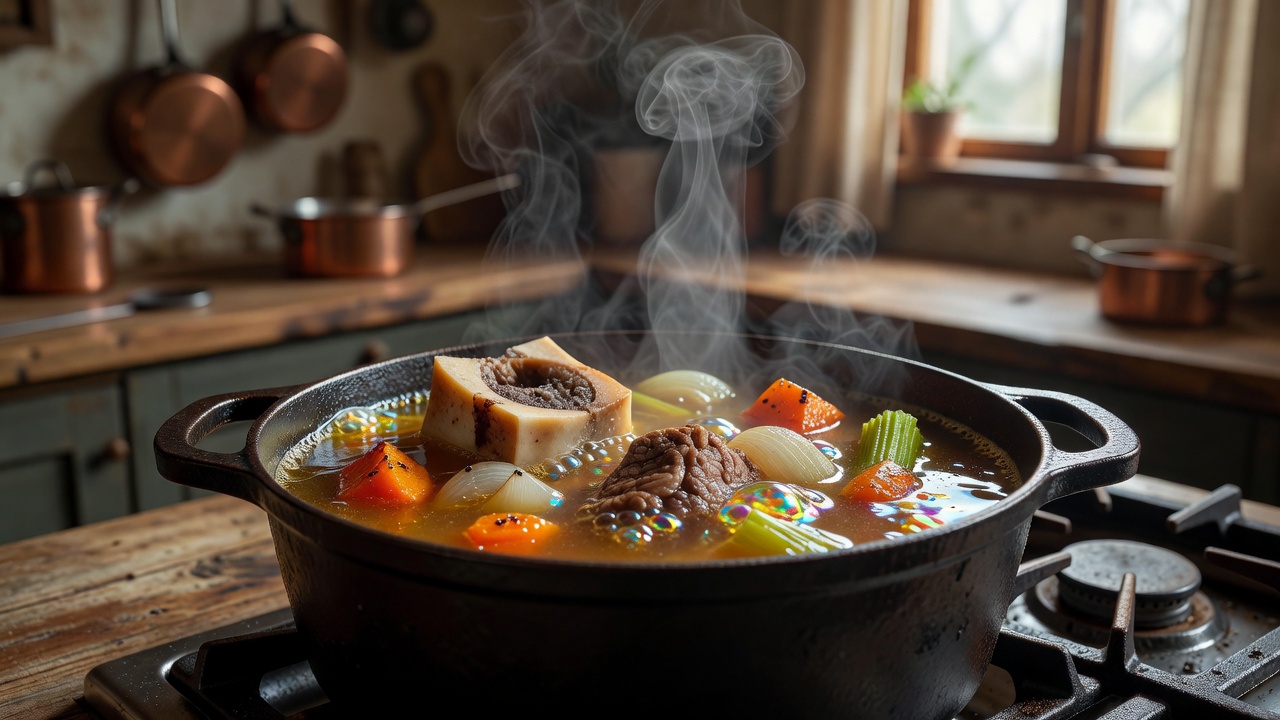
Ingredients: 3-4 lbs beef bones, 2 carrots, 2 celery stalks, 1 onion, 2 tbsp apple cider vinegar, fresh parsley, turmeric root, bay leaves, water to cover.
Steps: 1. Roast bones at 400°F for 30 minutes to enhance flavor. 2. Add to pot with vinegar and cold water; let sit 30 minutes to draw out minerals. 3. Bring to a gentle simmer, skimming any foam. 4. Add vegetables and herbs after 6 hours. 5. Continue simmering 18-24 hours total. 6. Strain through cheesecloth and cool rapidly.
Nutritional breakdown (per cup): Approximately 50 calories, 6g protein, significant collagen peptides, plus trace minerals. This version works well as a base for soups or sipped warm with a pinch of sea salt.
Chicken Bone Broth with Veggies Recipe
Ingredients: 1 whole chicken carcass, 3 carrots, 2 leeks, ginger slices, turmeric, garlic cloves, fresh thyme, salt to taste.
Steps: 1. Combine carcass and vegetables in pot. 2. Cover with water and add vinegar. 3. Simmer on low for 12-16 hours, adding herbs in the final 2 hours. 4. Strain and portion into jars.
Nutritional breakdown: High in glycine and glutamine, approximately 40 calories per cup, ideal for lighter digestion support. Variations include adding apple slices for subtle sweetness or shiitake mushrooms for extra prebiotics.
Herbal Fish Bone Broth Recipe
Ingredients: 2 lbs fish bones and heads, seaweed strips, parsley, lemon zest, garlic, fennel bulb.
Steps: 1. Rinse bones thoroughly. 2. Simmer gently with vegetables for 8-12 hours. 3. Add delicate herbs and lemon in the last hour to preserve brightness. 4. Strain carefully to remove fine particles.
Nutritional breakdown: Provides omega-3 precursors and iodine alongside gut-repairing amino acids, roughly 45 calories per cup. This lighter broth suits those sensitive to red meat proteins.
Storage Tips for Weekly Use
- Refrigerate up to 5 days in glass jars, leaving headspace for expansion if freezing.
- Freeze in ice cube trays for easy portioning or larger containers for family meals, lasting up to 3 months.
- Reheat gently on the stovetop or in a warm water bath to preserve delicate nutrients and avoid boiling off flavors.
- Label batches with dates to rotate stock efficiently and maintain freshness.
Combining Bone Broth with Probiotics
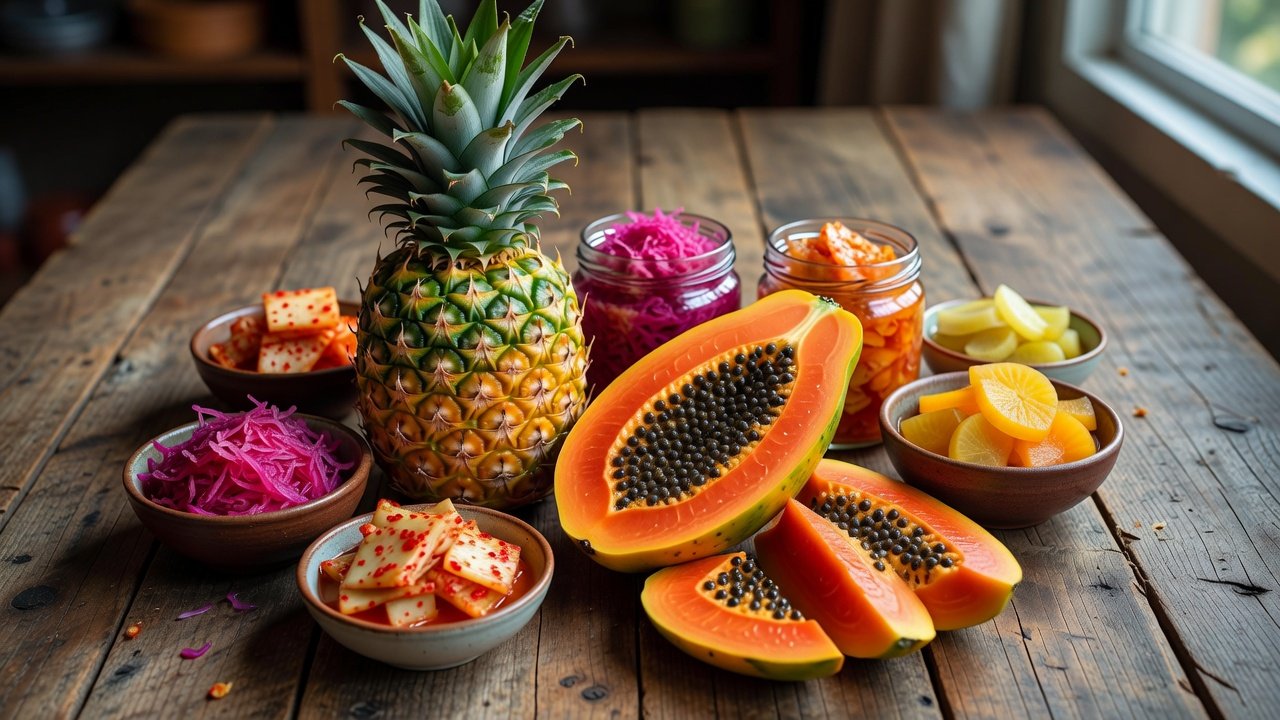
For enhanced results, consume broth alongside fermented foods or supplements. This synergy nourishes the microbiome while repairing the lining. Try adding a spoonful of sauerkraut or kimchi to finished broth, or pair a morning cup with a probiotic-rich yogurt. Consult resources from Mayo Clinic for personalized advice on timing and combinations that suit individual tolerances.
Common Mistakes to Avoid
Many beginners overlook skimming foam, which can lead to cloudy broth and bitter notes. Over-simmering beyond 24 hours may break down beneficial compounds, so monitor timing closely. Using too much salt early masks flavors and can dehydrate the broth during reduction. Always cool broth quickly to prevent bacterial growth, and avoid reheating multiple times from the same batch.
FAQs
How long does preparation take? Active hands-on time averages 30-45 minutes; total simmering requires 12-24 hours depending on bone type and desired strength.
Are there sensitivities to watch for? Individuals with histamine intolerance should use very fresh bones and shorter cook times; those with joint concerns may notice additional benefits from the collagen content.
Can it replace other gut supports? Bone broth complements a diverse diet rich in vegetables and fermented foods but works best as part of a broader strategy rather than a standalone solution.
What if my broth doesn't gel? Add more cartilage-rich bones or a splash of vinegar next batch; gelling indicates good collagen extraction but is not required for nutritional value.
Conclusion
Incorporating these bone broth recipes offers a practical, evidence-informed way to nurture gut health. Consistent use alongside balanced nutrition yields the best outcomes for lining repair and microbiome support. Experiment with the variations provided to find flavors that fit seamlessly into your weekly meal planning.
No comments yet. Be the first!