 Slow Bio Hack

Introduction to EMF Protection in Biohacking
Electromagnetic fields (EMFs) are invisible areas of energy produced by electricity and wireless technology. For beginners exploring biohacking, reducing EMF exposure offers an accessible starting point without requiring expensive equipment or complex protocols. This guide focuses on evidence-based steps to create lower-EMF environments at home and work, helping build foundational wellness habits in 2026. Many individuals new to biohacking seek simple wellness hacks that fit into daily life, and EMF reduction fits this need perfectly by emphasizing awareness rather than advanced tools. Understanding how EMFs interact with the body can empower readers to make informed choices that support overall vitality.
Research suggests that while most exposure levels stay within safety limits, proactive minimization can contribute to better sleep quality, reduced fatigue, and improved mental clarity. This article expands on the basics with detailed explanations, real-world examples, and actionable routines designed specifically for those starting their biohacking journey.
What Are Electromagnetic Fields and Their Daily Impact?
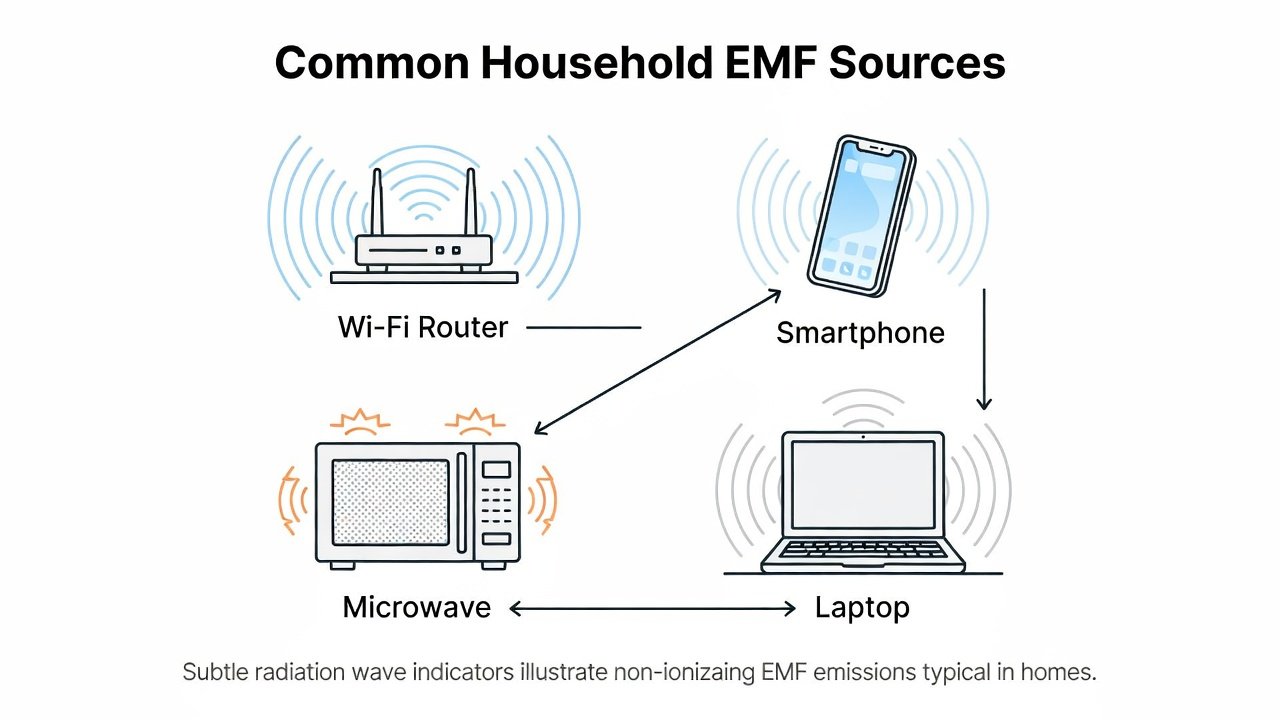
EMFs come from both natural and man-made sources. Man-made EMFs arise from power lines, appliances, Wi-Fi routers, smartphones, and microwaves. The World Health Organization provides extensive resources on electromagnetic fields, noting that typical exposure levels in homes remain below international guidelines, yet some individuals report sensitivity symptoms like headaches or fatigue. These symptoms often appear after prolonged close contact with devices such as holding a phone to the ear for hours or sleeping near a charging laptop.
Daily impact includes potential disruptions to natural circadian rhythms because many wireless devices emit signals continuously. For example, a smartphone in a bedside drawer can emit low-level radiofrequency fields throughout the night. Beginners often overlook how cumulative exposure from multiple sources adds up, such as combining a smart TV, wireless speakers, and a tablet all operating in the same room. Evidence-based advice recommends starting with observation rather than drastic changes to avoid overwhelm.
Comparing Common Household EMF Sources
A quick comparison of common household sources helps prioritize changes. Wireless routers produce constant low-level emissions across rooms, while microwaves create intense but short bursts during use. Smartphones emit higher fields when connecting to cellular networks or using data compared to airplane mode. Cordless phones and baby monitors often rank high because they maintain active base stations. Laptops on battery power generate less than when plugged in due to reduced electrical current. Understanding these differences allows beginners to focus efforts on the highest-impact items first, such as relocating the router instead of worrying about every small gadget.
Real-life scenarios illustrate the value. A city apartment dweller tracked higher readings near the living room entertainment center and reduced exposure by switching to wired speakers, reporting steadier energy levels by the end of the first week. Another case involved an office worker who moved a wireless printer away from their desk chair and experienced fewer afternoon slumps.
Practical Steps for Reducing EMF Exposure
Start with device placement: keep Wi-Fi routers in less-used rooms and position beds away from walls with electrical wiring. Switch to wired alternatives where possible, such as Ethernet cables for internet and wired headphones for calls. Create low-EMF zones by turning off devices at night and using airplane mode on phones during sleep. Additional steps include using speakerphone functions instead of holding devices close and opting for manual timers on appliances rather than smart features when possible.
These adjustments integrate smoothly because they build on existing habits like evening wind-down routines. For instance, pairing device shutdown with brushing teeth makes the change automatic over time.
Beginner-Friendly Checklist for Immediate Action
- Measure baseline exposure using a simple EMF meter app or basic detector to establish starting points.
- Move all chargers and electronics at least 3 feet from sleeping areas to reduce overnight fields.
- Replace wireless keyboards and mice with wired options for desk setups.
- Enable airplane mode on smartphones during focused work periods or family meals.
- Unplug non-essential devices before bedtime to eliminate standby emissions.
- Position alarm clocks or other bedside electronics on the far side of the room.
- Choose wired internet connections for primary computers instead of relying solely on Wi-Fi.
7-Day Starter Routine with Examples
Day 1: Audit your home by noting all wireless devices and their locations, then sketch a simple floor plan to visualize hot spots. Day 2: Switch your phone to wired charging and test airplane mode overnight, noting any changes in sleep onset time. Day 3: Relocate the Wi-Fi router to a central but distant spot such as a hallway closet, and observe signal strength from main living areas. Day 4: Introduce wired headphones for daily calls, practicing with a long cable to maintain mobility. Day 5: Create a device-free hour before bed by reading a physical book or journaling instead of scrolling. Day 6: Compare sleep quality after two nights of low-EMF adjustments using a basic notebook to log energy upon waking. Day 7: Review progress and add one more wired alternative, such as a landline for home use or Ethernet for streaming devices, while celebrating small wins like feeling more rested.
This routine integrates easily with existing habits like morning coffee or evening reading, making it sustainable for beginners. Each day builds confidence through measurable micro-changes rather than overwhelming overhauls.
Integrating EMF Protection with Broader Biohacking Habits
Combine these steps with established practices such as consistent sleep schedules and natural light exposure. For instance, pair low-EMF evenings with dim lighting to enhance melatonin production naturally. Avoid common mistakes like over-relying on shielding products without addressing source reduction first, or ignoring the importance of consistency across multiple days. Another pitfall involves neglecting to test changes systematically, which can lead to uncertainty about what actually works.
Further integration might include syncing EMF reduction with nutrition timing or movement breaks, creating a holistic approach that feels cohesive rather than isolated.
Frequently Asked Questions
Is EMF exposure truly harmful for most people?
Current guidelines from health authorities suggest typical levels pose low risk, though individual sensitivity varies. Focus on reduction for peace of mind and potential wellness gains rather than fear-based approaches.
How can I measure benefits objectively?
Track sleep duration, morning energy levels, and focus using a simple journal over two weeks. Many beginners report noticeable improvements after consistent 7-14 day routines, especially in areas like reduced restlessness at night.
Are there any safety concerns with wired alternatives?
Wired setups generally reduce wireless emissions while maintaining functionality. Ensure proper cable management to avoid tripping hazards and choose quality cables that meet basic safety standards.
What if I live in a high-density urban area with unavoidable external sources?
Focus on controllable indoor sources first, such as personal devices and router placement. Layering multiple small changes often yields cumulative benefits even when external fields exist.
Conclusion
EMF protection serves as an empowering entry into biohacking by emphasizing awareness and small, consistent actions. By implementing device placement strategies, wired swaps, and a structured routine, beginners can create supportive environments that complement other wellness efforts. Start today with one checklist item to experience the difference firsthand and continue building from there for lasting results.

No comments yet. Be the first!