 Slow Bio Hack
Introduction to Heat Therapy as a Biohacking Tool
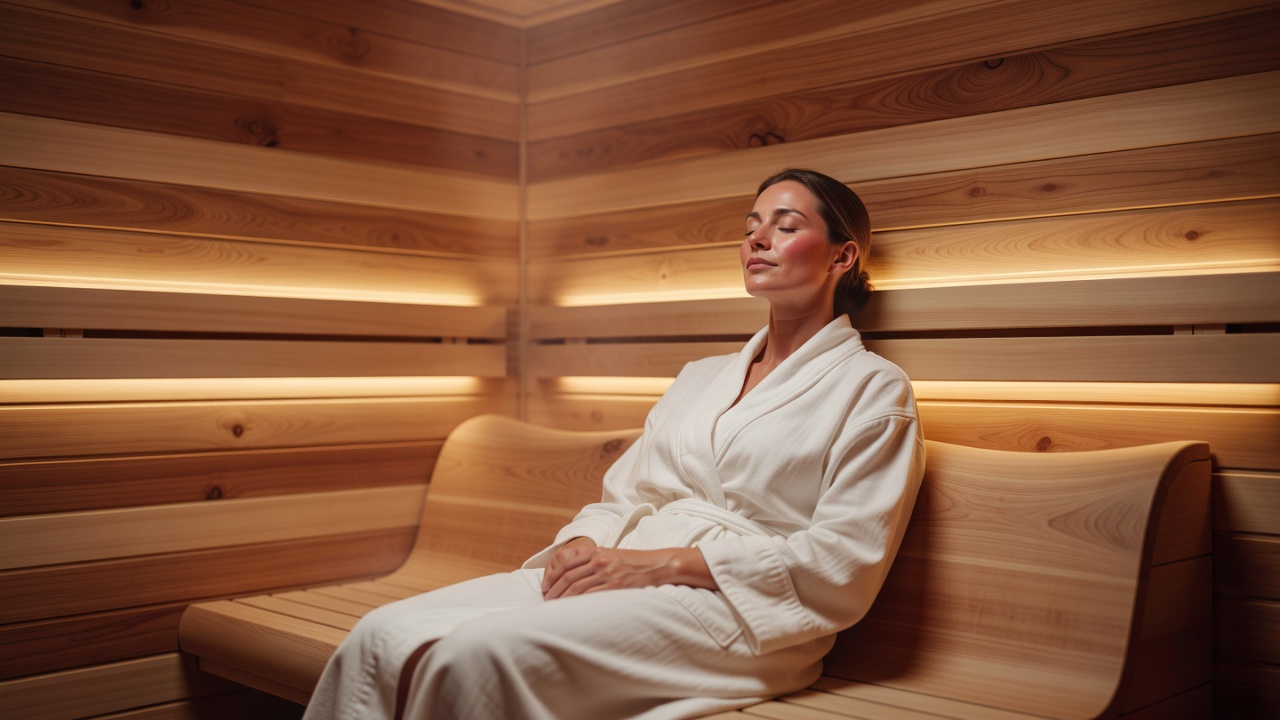
Heat therapy, particularly through sauna use, has emerged as an accessible entry point into biohacking for beginners seeking stress reduction and enhanced recovery. In 2026, this practice continues to gain traction among wellness enthusiasts looking for evidence-based methods to optimize daily health without complex equipment or steep learning curves. Biohacking involves making small, deliberate changes to your biology and lifestyle to improve performance and well-being. Heat therapy fits perfectly as it leverages the body's natural responses to elevated temperatures, promoting relaxation and physiological benefits that support long-term vitality. Many people new to the field discover that consistent sauna sessions provide noticeable improvements in energy levels, mood stability, and physical resilience after just a few weeks of mindful practice.
Unlike more advanced biohacks that require specialized gadgets or strict dietary overhauls, heat therapy can be started with minimal investment in time and resources. Whether you access a local facility or invest in a home unit, the core principle remains the same: controlled heat exposure trains your cardiovascular system and nervous system to handle stress more effectively. This guide explores the underlying science, compares popular sauna types, and delivers actionable protocols tailored specifically for novices.
The Science Behind Sauna Use: Circulation and Inflammation
Regular sauna sessions trigger several biological processes. Heat exposure causes blood vessels to dilate, improving circulation and delivering more oxygen and nutrients to tissues. This enhanced blood flow can aid muscle recovery after exercise and support cardiovascular health over time. Additionally, saunas help modulate inflammation. Studies indicate that heat stress induces heat shock proteins, which play a role in reducing chronic inflammation markers. For beginners, even short sessions can contribute to lower stress hormones like cortisol, fostering a calmer mental state.
Research from authoritative sources such as National Institutes of Health supports these mechanisms, highlighting sauna bathing's potential for overall wellness when practiced consistently and safely. Heat also stimulates the production of nitric oxide, a molecule that further relaxes blood vessels and improves endothelial function. Over repeated exposures, this adaptation can lead to better blood pressure regulation and reduced oxidative stress. Beginners often report improved sleep quality and reduced joint stiffness within the first month, outcomes linked directly to these circulatory and anti-inflammatory effects. Understanding these pathways helps users appreciate why heat therapy is more than simple relaxation—it is a targeted physiological intervention.
Traditional Saunas vs. Infrared Options
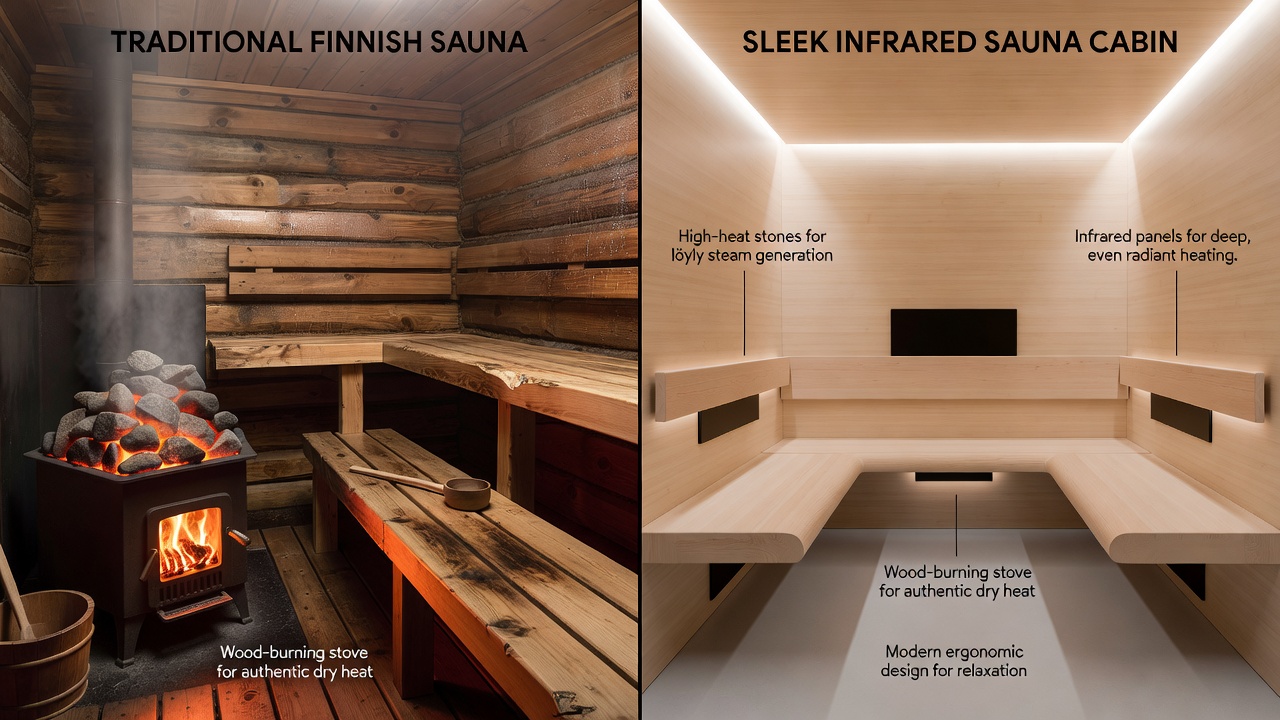
Traditional saunas heat the air to high temperatures, typically 150–195°F, creating an intense environment that promotes heavy sweating. They often use wood-burning or electric heaters and are popular in Nordic cultures for their social and ritualistic aspects. Infrared saunas, by contrast, use light to directly warm the body at lower ambient temperatures (around 110–130°F). This makes them more tolerable for novices and potentially easier to integrate into home setups. Both types offer similar benefits, but infrared models may appeal more to those sensitive to extreme heat.
When choosing, consider your tolerance and space availability. Traditional options excel in communal settings, while infrared provides a gentler starting experience. Here is a quick comparison to guide your decision:
- Traditional: Higher heat intensity, often social, requires more acclimation time, excellent for deep sweating.
- Infrared: Lower perceived temperature, penetrates deeper into tissues, quicker sessions possible, ideal for solo home use.
- Shared benefits: Improved circulation, reduced inflammation, stress relief, and better recovery markers.
Many beginners start with infrared units at community wellness centers before progressing to traditional saunas as tolerance builds.
Step-by-Step Starting Protocols for Beginners
Begin with conservative approaches to build tolerance safely. Start with 5–10 minute sessions at moderate temperatures. Stay hydrated before, during, and after by drinking water or electrolyte-rich fluids. Focus on breathing deeply to enhance relaxation and oxygen intake. Gradually increase duration to 15–20 minutes over several weeks as your body adapts. End sessions with a cool-down period, such as a lukewarm shower, to support circulation. Perform these 2–3 times per week initially, tracking how you feel the next day to adjust accordingly. A practical example for week one might involve Monday and Friday evenings: enter the sauna after a light walk, sit quietly for eight minutes while practicing box breathing, then exit and rehydrate with 500ml of water. By week three, extend to twelve minutes and add a gentle stretch afterward. Logging subjective feelings such as energy and sleep quality in a simple notebook helps identify the optimal frequency for your lifestyle.
Safety Tips for Novice Users
Safety is paramount when exploring heat therapy. Always consult a healthcare professional if you have pre-existing conditions. Key guidelines include avoiding alcohol before sessions, never exceeding personal comfort limits, and exiting immediately if you feel dizzy or unwell. Monitor for signs of overheating and ensure proper ventilation in the sauna space. Those new to the practice should avoid combining saunas with intense workouts on the same day until accustomed to the routine. Additional precautions involve removing metal jewelry that could heat up, using a towel to sit on for hygiene, and keeping a phone nearby for emergencies. Beginners should also familiarize themselves with the facility's emergency procedures and never use the sauna alone if they have any cardiovascular concerns.
Integrating Sauna Sessions into Weekly Routines
Practical examples make heat therapy sustainable. Schedule morning sessions on rest days to promote recovery and mental clarity. Evening use can aid wind-down before bed, but keep it at least two hours prior to sleep to prevent interference with melatonin production. For a sample weekly plan: Monday and Thursday evenings for 15 minutes post-light stretching; Sunday mornings for a longer 20-minute recovery session. Pair with mindfulness practices like deep breathing for amplified stress relief. Another approach is to align sessions with existing habits—use the sauna after a yoga class on Wednesdays or following a weekend hike. Over time, these integrations become automatic, turning heat therapy into a reliable wellness anchor rather than an occasional add-on.
Common Mistakes to Avoid
New users frequently overlook hydration, leading to fatigue the following day. Another pitfall is rushing progression; jumping to 30-minute sessions too soon can cause discomfort. Ignoring individual responses, such as persistent headaches, may indicate the need for shorter durations or medical advice. Finally, skipping the cool-down phase reduces the circulatory benefits that make heat therapy effective.
Frequently Asked Questions
How long should beginners stay in a sauna?
Start at 5–10 minutes and build up gradually based on comfort and tolerance.
Is hydration really that important?
Yes—proper fluid intake prevents dehydration and supports the body's cooling mechanisms during heat exposure.
Can I use a sauna every day?
Daily use is possible for some, but beginners should limit to 2–4 sessions weekly to allow recovery and assess individual responses.
What should I wear?
Light, breathable clothing or a towel is sufficient; avoid synthetic fabrics that trap heat excessively.
Conclusion
Heat therapy offers a straightforward, science-supported biohack for enhancing daily wellness. By understanding the underlying mechanisms, following structured protocols, and prioritizing safety, beginners can confidently incorporate sauna sessions into their lives for better stress management and recovery. Consistency, paired with listening to your body, yields the most meaningful results over time. Additional resources from American Heart Association provide further reading on circulatory health benefits associated with regular heat exposure.


No comments yet. Be the first!