 Slow Bio Hack
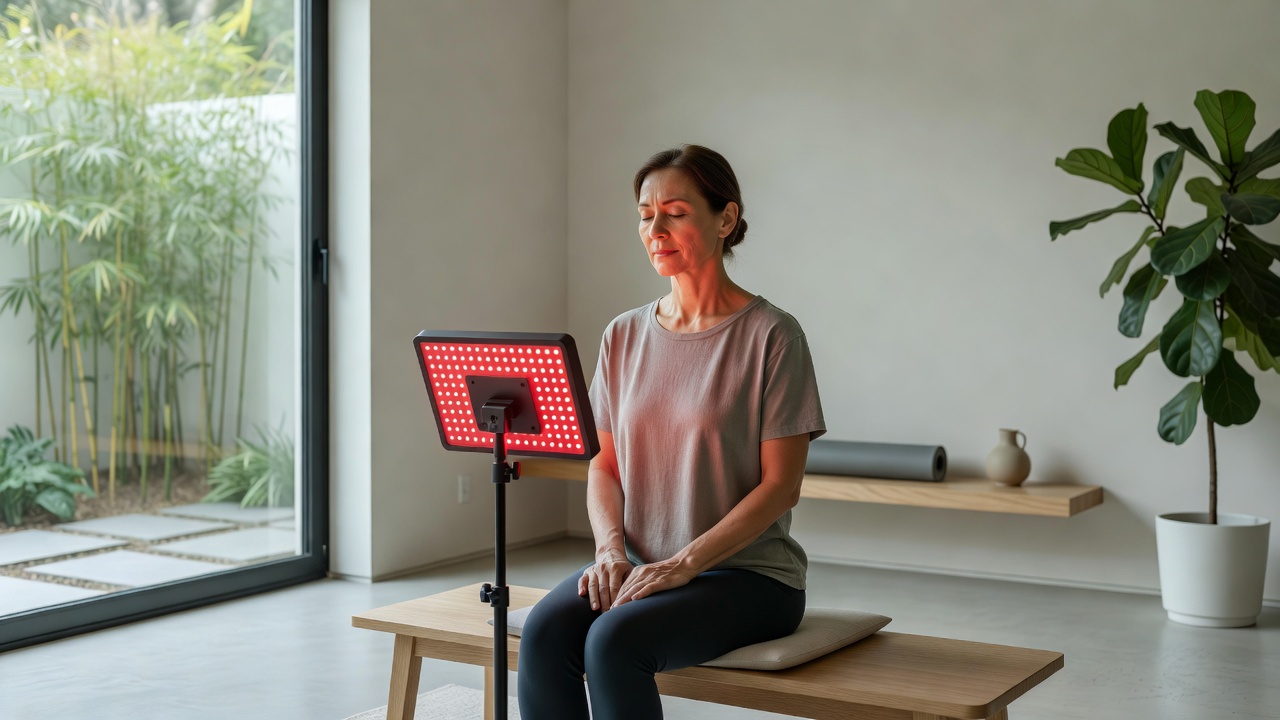
Introduction to Red Light Therapy for Beginners
Red light therapy has emerged as one of the most approachable biohacking tools available in 2026, delivering meaningful support for recovery, skin health, and sustained daily energy without requiring complex routines or large time investments. This beginner-focused guide provides everything needed to understand and implement the practice safely and effectively at home. Many people seeking simple health optimizations discover that red light therapy fits naturally into existing schedules, offering a low-barrier entry point into evidence-supported wellness strategies that complement nutrition, movement, and sleep hygiene.
Unlike more aggressive interventions, this therapy harnesses specific wavelengths of light to encourage the body’s innate repair processes. It has gained traction among those exploring straightforward biohacking methods because sessions require minimal preparation and produce cumulative benefits when performed consistently over weeks and months.
How Red Light Therapy Works at the Cellular Level
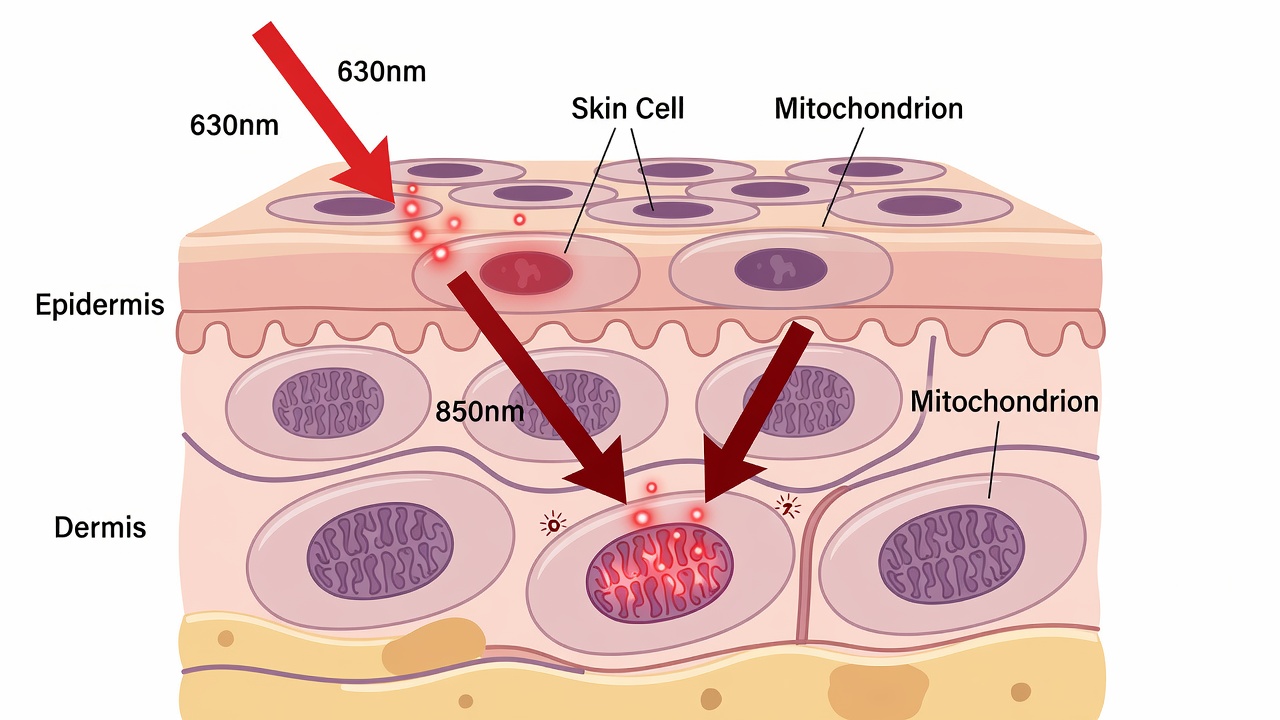
Red and near-infrared light penetrates the outer layers of skin to reach the mitochondria inside cells. There, the light energy is absorbed by cytochrome c oxidase, an enzyme critical to the electron transport chain. This absorption increases the production of adenosine triphosphate (ATP), the primary energy currency of the cell, while simultaneously lowering levels of reactive oxygen species that contribute to inflammation and fatigue. The resulting photobiomodulation effect supports tissue repair, collagen synthesis, and improved circulation without generating heat or causing damage.
Therapeutic wavelengths typically fall between 630-660 nanometers for surface-level concerns such as skin tone and texture, and 810-850 nanometers for deeper muscular and joint recovery. Beginners should select devices that clearly specify these ranges and provide consistent irradiance output, ensuring the light reaches target tissues at effective doses. Understanding these mechanisms helps users appreciate why results appear gradually rather than instantly.
Evidence-Based Benefits Supported by Research
Clinical studies and systematic reviews have documented several repeatable outcomes from regular red light therapy use. Athletes and active individuals frequently report faster muscle recovery and reduced post-exercise soreness when sessions follow training. Skin-focused applications show measurable increases in collagen density and elasticity, leading to smoother texture and diminished appearance of fine lines over time. Additional benefits include support for joint comfort, reduced inflammatory markers, and improvements in sleep quality that translate into higher daytime energy and focus.
Practical examples illustrate these effects. A person recovering from a minor strain might notice decreased stiffness after two weeks of targeted sessions on the affected area. Someone prioritizing skin health could observe brighter, more even tone after six to eight weeks of facial treatments. These changes accumulate because each session builds on the previous one by sustaining elevated cellular energy and repair activity.
Affordable Device Options for Home Use
Home-use devices now span a wide spectrum from compact handheld units and flexible wraps to larger tabletop panels and full-body mats. Beginners typically start with mid-sized panels or targeted wraps that deliver verified irradiance levels above 30 mW/cm² and include built-in timers for consistent dosing. Look for FDA-cleared models that list exact wavelength specifications and offer adjustable stands or mounting options for comfortable positioning during sessions.
Popular entry-level choices include portable LED wraps for joints or the lower back and small facial panels that rest on a table or shelf. Third-party testing reports and user reviews focused on output consistency help separate reliable products from less effective alternatives. Many users begin with one versatile device before expanding their setup as goals evolve.
Step-by-Step Starter Protocol
A simple, repeatable protocol removes guesswork for newcomers. Begin by identifying your primary goal—skin appearance, post-workout recovery, or general energy—and choose a device accordingly. Position yourself 6 to 12 inches from the light source so the target area receives direct exposure. Start with sessions of five to ten minutes, three to four days per week, ensuring skin is clean and free of lotions or clothing that could block the light.
After the first two weeks, increase session length to fifteen minutes if no irritation occurs. Track basic metrics such as perceived energy, sleep quality, and any targeted discomfort in a notebook or phone app. Over four to six weeks, most users settle into a sustainable rhythm of four to five sessions weekly, adjusting timing around workouts or morning routines for maximum convenience.
Practical Daily Integration Examples
Successful long-term use often comes from pairing sessions with existing habits. Morning users may stand in front of a panel while preparing breakfast or reviewing the day’s schedule, turning the time into a low-effort ritual that supports circadian alignment. Evening sessions after exercise can aid muscle relaxation and prepare the body for rest when combined with stretching or light mobility work.
Individuals with desk jobs sometimes place a small panel near their workspace for brief midday exposures during reading or calls. Those focused on skin health integrate facial treatments into their evening skincare sequence, following cleansing but preceding moisturizer application. These flexible approaches demonstrate how red light therapy becomes a seamless component of broader biohacking lifestyles rather than an additional chore.
Comparing Red Light Therapy to Natural Sunlight Exposure
Natural sunlight delivers a broad spectrum of wavelengths that support vitamin D production and circadian rhythm regulation, yet it also carries ultraviolet components that require careful timing and protection. Red light therapy supplies precise, narrow-band wavelengths without UV exposure, allowing year-round use regardless of weather, latitude, or outdoor access. It functions as a targeted complement rather than a replacement, especially during winter months or for individuals with limited sun exposure.
Many practitioners combine both: morning outdoor light for alertness and scheduled red light sessions for cellular-level recovery. This dual approach maximizes benefits while minimizing risks associated with excessive UV.
Explore peer-reviewed studies on photobiomodulation at NCBI for deeper scientific context.
Beginner Tips on Session Length, Wavelength Selection, and Tracking Results
Start conservatively to gauge individual skin response before extending duration. Choose wavelengths based on the desired outcome—630-660 nm ranges for visible skin improvements and 810-850 nm ranges for deeper tissue support. Logging results weekly helps identify patterns; note sleep scores, soreness levels, and skin observations in a consistent format. Simple spreadsheets or wellness apps make this process effortless and reveal progress that might otherwise go unnoticed.
Avoid rushing to maximum session times early on. Gradual progression respects the body’s adaptation rate and reduces the chance of temporary redness or fatigue.
Common Mistakes Beginners Should Avoid
New users sometimes position devices too far away, reducing effective irradiance, or skip consistency in favor of occasional long sessions. Others overlook eye protection during facial treatments or apply products that reflect rather than transmit light. Maintaining proper distance, protecting the eyes when recommended, and keeping a regular schedule prevents these pitfalls and supports steady progress.
Short FAQ on Safety and Expected Timelines
- Is red light therapy safe for beginners? Yes, when quality, properly used devices are selected. Eye protection is advised during facial applications, and individuals with photosensitivity conditions should consult a healthcare professional first.
- How soon can results appear? Subtle energy and recovery improvements often emerge within two to four weeks; visible skin changes typically require six to eight weeks of consistent use.
- Can sessions be combined with other wellness practices? The therapy pairs well with resistance training, mobility work, nutrition optimization, and sleep routines for synergistic effects.
Review general wellness guidelines at Mayo Clinic. Additional safety information is available from FDA resources on light-based devices.
Conclusion
Red light therapy offers a practical, science-aligned entry point into biohacking that rewards consistency with tangible wellness improvements. By grasping the cellular mechanisms, selecting suitable equipment, following a structured protocol, and integrating sessions into daily life, beginners can build a sustainable practice that supports recovery, skin vitality, and energy levels throughout 2026 and beyond.

No comments yet. Be the first!