 Slow Bio Hack
Introduction to Aromatherapy in Biohacking
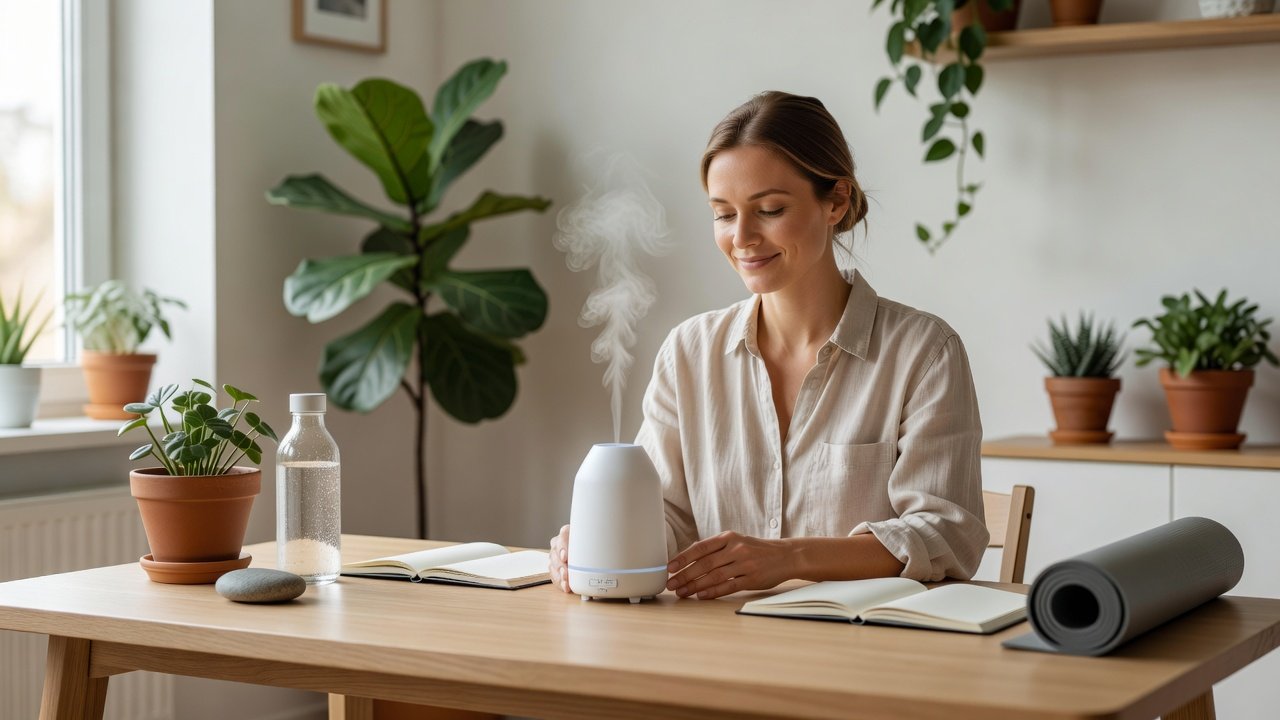
Aromatherapy has emerged as a simple yet powerful tool in beginner biohacking, leveraging natural scents to influence mood, focus, and overall wellness. In 2026, more people are turning to essential oils as accessible health hacks that integrate seamlessly into daily life without requiring expensive equipment or complex regimens. This approach allows newcomers to experiment with sensory inputs that support mental clarity and emotional balance, making it an ideal starting point for those exploring biohacking without prior experience.
The science behind aromatherapy centers on how scent molecules interact with the limbic system, the brain's emotional center. Research from institutions like the National Institutes of Health supports its effects on reducing stress and improving cognitive function through inhalation. By understanding these mechanisms, beginners can use targeted scents to address specific daily challenges such as afternoon slumps or pre-sleep restlessness.
Understanding the Science of Scent and Wellness
Essential oils contain volatile compounds that travel directly to the brain via the olfactory nerve. This pathway bypasses the blood-brain barrier, allowing rapid impact on neurotransmitters like serotonin and dopamine. Studies show lavender can lower cortisol levels, while citrus scents enhance alertness. For beginners, this means targeted hacks for energy in the morning or calm in the evening. Additional research highlights how prolonged exposure to certain aromas can influence heart rate variability, a key marker of stress resilience often tracked in biohacking communities.
Further exploration reveals that terpenes in oils like eucalyptus interact with receptors to promote clearer breathing, indirectly supporting focus during work sessions. Beginners should note that individual responses vary based on genetics and prior exposure, so personal experimentation is essential. Integrating aromatherapy with other simple biohacks, such as hydration tracking or light exposure, amplifies results over time.
Selecting Beginner-Friendly Essential Oils
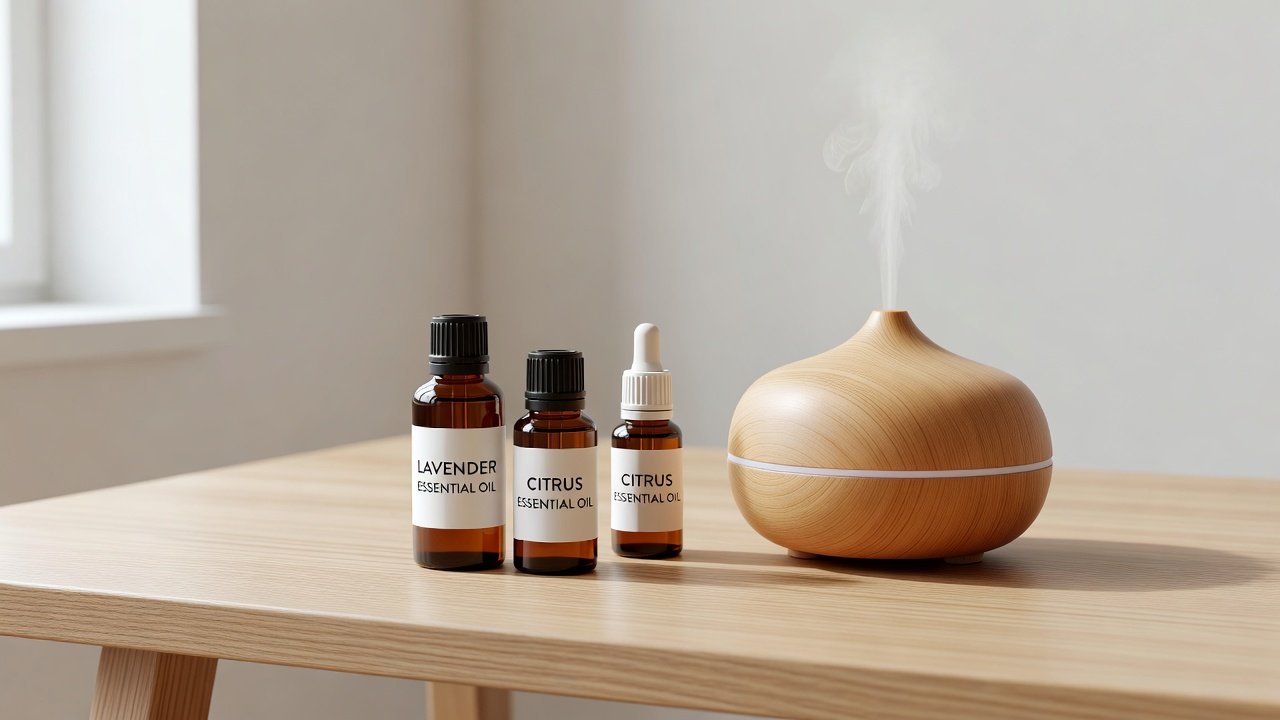
Start with versatile, safe options. Lavender promotes relaxation and sleep. Citrus oils like lemon or orange boost mood and focus. Peppermint aids concentration and digestion. Rosemary supports memory recall during study or meetings, while frankincense offers grounding effects for meditation. Always choose 100% pure, therapeutic-grade oils from reputable sources. Compare lavender's soothing floral notes against citrus's bright, uplifting profile—lavender suits wind-down routines, while citrus energizes daytime activities. Eucalyptus provides respiratory support for urban dwellers exposed to pollution, and tea tree offers mild antimicrobial properties for home environments.
When comparing popular oils, lavender tends to reduce anxiety markers within 15 minutes of diffusion, whereas citrus varieties improve reaction times in cognitive tests. Beginners can create a starter kit with three core oils: lavender for evenings, lemon for mornings, and peppermint for midday dips. Rotate scents every few days to prevent olfactory fatigue and maintain sensitivity to their effects.
Safe Diffusion Methods for Home Use
Ultrasonic diffusers are ideal for beginners as they use water and gentle misting. Add 5-10 drops of oil to a 100ml diffuser and run for 30-60 minutes. Avoid direct skin application without dilution, and ensure good ventilation. Never leave diffusers unattended around pets or children. Alternative methods include personal inhalers for on-the-go use or adding diluted drops to a warm bath for full-body absorption. Steam inhalation with a towel over the head works well for quick sinus relief but requires caution to avoid burns.
Step-by-Step Starter Protocols
Follow these simple protocols to begin. First, establish a baseline by noting your current mood and focus levels each morning for three days. Then introduce one protocol at a time.
- Morning focus: Diffuse 3 drops peppermint and 3 drops lemon for 20 minutes while preparing breakfast. Follow with 5 minutes of deep breathing to anchor the scent association.
- Afternoon reset: Use 4 drops rosemary in a personal inhaler during a short walk to combat post-lunch fatigue.
- Evening wind-down: Use 5 drops lavender in a diffuser 1 hour before bed, paired with dimmed lights and no screens.
- Habit stacking: Pair oil diffusion with existing routines like brushing teeth or journaling to build automaticity without extra effort.
Real-World Morning and Evening Applications
A busy professional might diffuse citrus oils during a commute prep to sharpen focus before an important meeting. At night, lavender helps transition from screen time to rest by signaling the body that downtime has begun. Parents can incorporate gentle lavender diffusion in children's rooms 30 minutes before bedtime to encourage smoother sleep transitions. Remote workers often report improved productivity when alternating between energizing citrus in the first half of the day and calming lavender after 4 p.m. Track effects in a journal to refine your approach over two weeks, noting any patterns in energy or sleep quality.
Combining Scents with Existing Habits
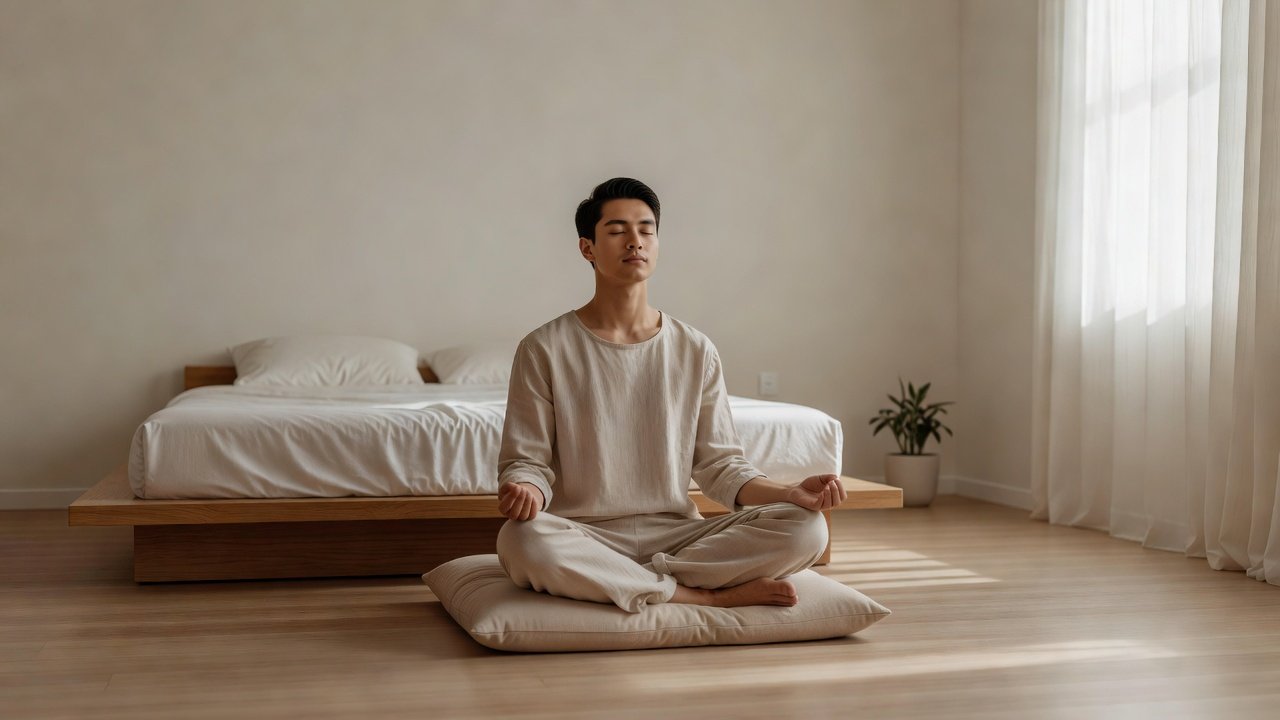
Integrate aromatherapy into meditation, exercise, or meal prep. For example, use rosemary during workouts for mental clarity or vanilla post-dinner for relaxation cues. This builds consistency without adding new tasks. Layer scents with movement by diffusing peppermint before a yoga session to enhance breath awareness. In the kitchen, citrus oils near the cutting board can make meal preparation more enjoyable while supporting digestive wellness. Over time, these pairings create strong sensory anchors that reinforce positive routines automatically.
Common Mistakes to Avoid
- Overusing oils, which can cause headaches or desensitization.
- Ignoring quality—opt for organic where possible and verify purity through third-party testing.
- Not testing for sensitivities first by applying a diluted drop to the inner forearm.
- Using plastic diffusers with citrus oils, as they can degrade the material over time.
- Combining too many oils at once, which dilutes individual benefits and complicates tracking.
Short FAQ Section
Can aromatherapy trigger allergies?
Yes, some individuals may react to certain oils. Perform a patch test and consult a doctor if you have respiratory issues. Start with single oils rather than blends, and discontinue use if irritation occurs.
How do I source quality essential oils?
Look for suppliers with third-party testing and transparent origins. Check labels for botanical names and avoid synthetic fragrances. Resources from the Mayo Clinic offer guidance on safe use and storage practices.
Is it safe to combine aromatherapy with other biohacks?
Yes, many beginners pair it successfully with cold exposure or intermittent fasting. Monitor your body's response and adjust intensity gradually to avoid overstimulation.
Conclusion
Aromatherapy offers an approachable entry into biohacking for daily wellness. By understanding the basics, selecting appropriate oils, and building simple protocols, beginners can experience meaningful improvements in mood and focus. Experiment mindfully, track your results, and adjust based on personal response for lasting benefits that support long-term health optimization.
No comments yet. Be the first!