 Slow Bio Hack
Introduction to Optogenetic Implants for Performance Enhancement
Optogenetic implants represent a frontier in advanced biohacking, enabling precise light-based control over neural activity. In 2026, these devices are moving from research labs into experimental human applications for elite optimization, targeting improvements in focus, cognitive recovery, and overall mental performance. This technology allows researchers and practitioners to modulate specific neuron populations with unprecedented accuracy using light rather than electricity or chemicals. Early adopters in competitive fields such as professional sports, high-stakes finance, and creative industries are exploring these implants to gain measurable edges in sustained attention and post-exertion recovery. This article examines the underlying science in depth, practical implantation protocols, integration with artificial intelligence systems, real-world performance data, safety comparisons, regulatory developments, and structured frameworks for those considering participation in controlled experiments.
The Science of Light-Controlled Neural Modulation
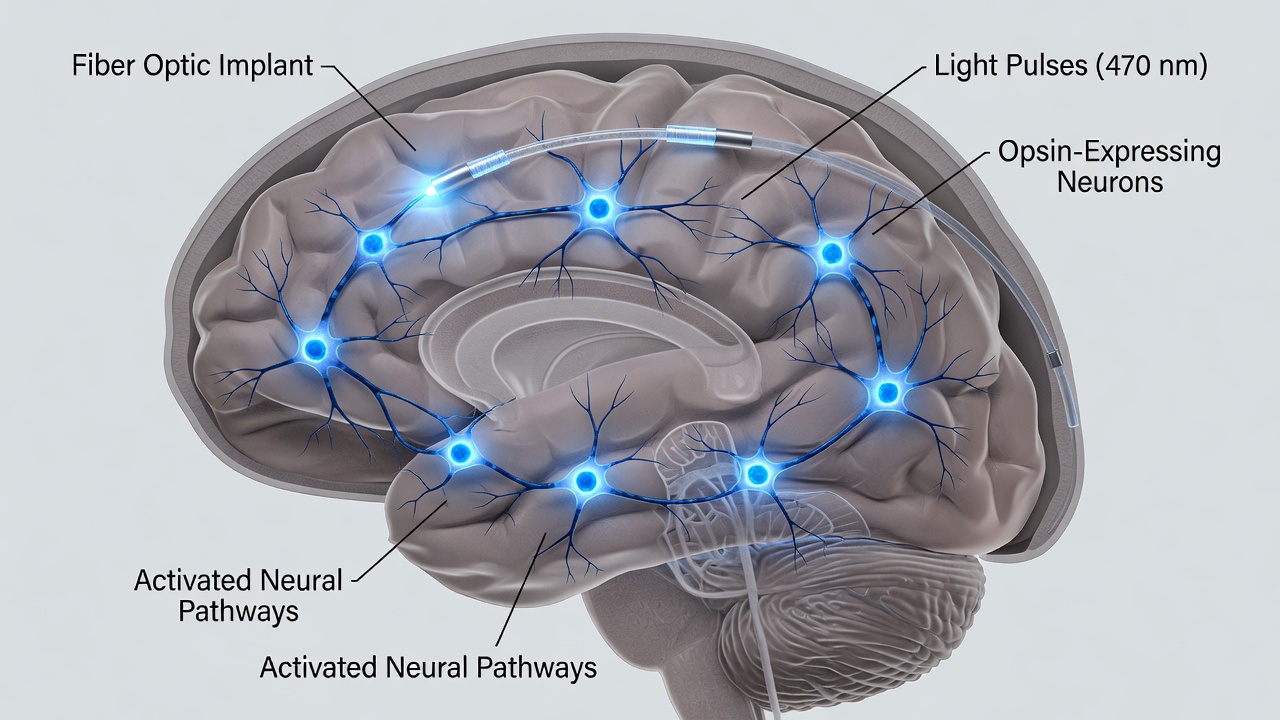
Optogenetics combines genetic engineering with optics. Neurons are modified to express light-sensitive proteins called opsins, allowing researchers to activate or inhibit specific cells using targeted light pulses delivered through implanted fiber optics. This offers millisecond-level precision far beyond electrical stimulation techniques. The process begins with the delivery of viral vectors carrying opsin genes to targeted brain regions, after which light of specific wavelengths triggers ion channels to open or close, directly influencing action potentials. Early experiments have shown enhanced synaptic plasticity, leading to faster learning curves and better stress resilience in high-performance users. Additional mechanisms include modulation of neurotransmitter release and reduction of inflammatory signaling in neural tissue. Integration with wearable sensors now enables real-time feedback loops where neural states are monitored and adjusted dynamically, creating closed-loop systems that adapt stimulation patterns based on immediate biometric data.
Device Implantation Protocols in 2026
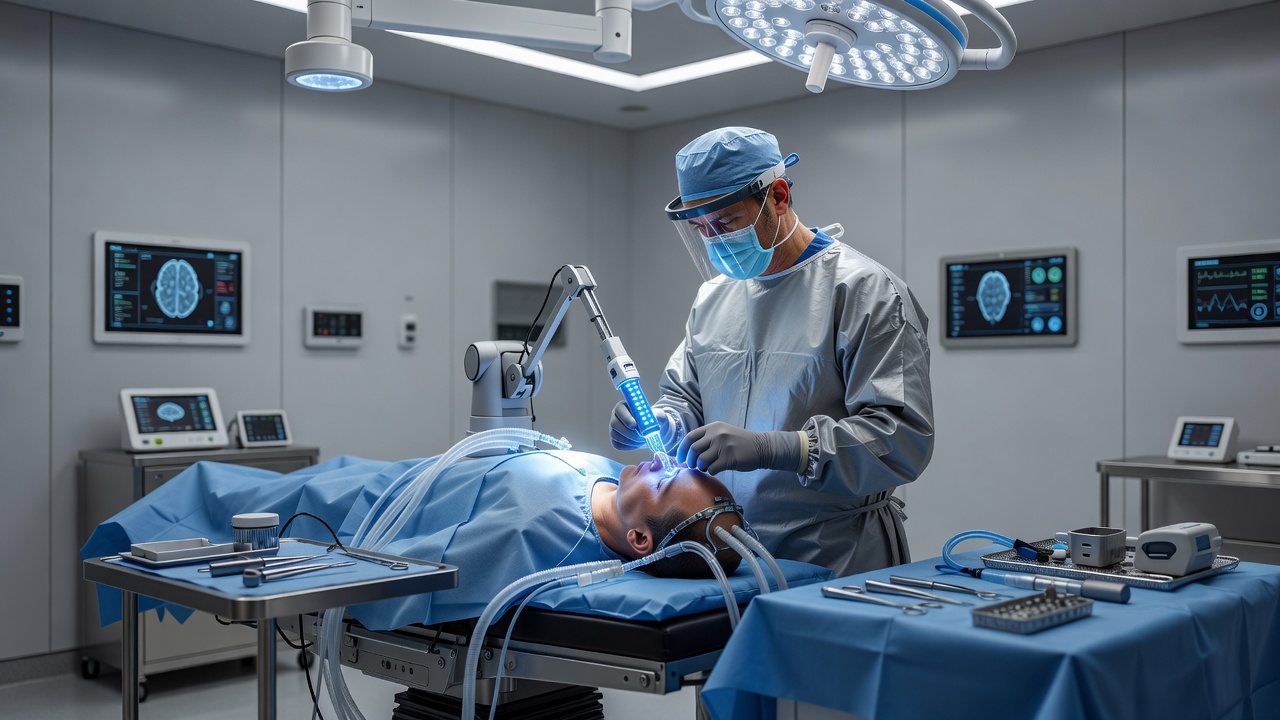
Implantation typically involves minimally invasive neurosurgical procedures guided by advanced imaging such as functional MRI and diffusion tensor imaging. Patients undergo pre-operative mapping to identify target brain regions such as the prefrontal cortex for focus enhancement or the hippocampus for memory consolidation. The procedure often uses stereotactic frames or robotic assistance to position fiber-optic probes with sub-millimeter accuracy. Post-implant, a recovery period of four to six weeks allows for cellular integration and reduction of inflammation before activation begins. Protocols emphasize sterile techniques, individualized dosing of viral vectors for opsin delivery, and continuous monitoring for immune responses. Follow-up includes regular neuroimaging to verify probe placement and tissue health. Practitioners recommend beginning with lower-intensity light parameters and gradually increasing exposure based on patient tolerance and performance metrics.
AI Monitoring and Optimization Integration
Modern optogenetic systems pair with AI platforms that analyze EEG data alongside implant feedback. Machine learning algorithms predict optimal light stimulation patterns, adjusting parameters to maximize performance metrics like sustained attention or rapid recovery from cognitive fatigue. This synergy reduces trial-and-error and personalizes interventions based on daily biometrics collected from companion wearables. For example, an AI model might detect early signs of mental fatigue through heart-rate variability and automatically trigger inhibitory light pulses to relevant neural circuits. Such systems also log longitudinal data for retrospective analysis, helping users identify patterns across weeks or months of use. National Institutes of Health resources provide foundational guidelines on neural interface research that inform these AI-driven approaches.
Safety Comparisons to tACS Methods
Compared to transcranial alternating current stimulation (tACS), optogenetic implants offer superior spatial specificity but introduce surgical risks. tACS remains non-invasive with lower barriers to entry, yet it lacks the cell-type precision of optogenetics and often produces diffuse effects across broader cortical areas. Studies indicate optogenetic approaches may yield greater improvements in targeted cognitive domains when protocols are optimized, though long-term data remains limited. Key safety considerations for optogenetic implants include potential infection at the surgical site, unintended immune activation from viral vectors, and the need for periodic hardware maintenance. In contrast, tACS users may experience transient skin irritation or headaches but avoid operative complications. A practical comparison list includes:
- Precision: Optogenetics targets individual neuron types; tACS affects larger tissue volumes.
- Invasiveness: Optogenetics requires surgery; tACS uses external electrodes.
- Reversibility: tACS effects dissipate quickly; optogenetic changes can persist longer due to genetic modification.
- Monitoring needs: Optogenetic systems benefit from continuous AI oversight; tACS can be applied in simpler clinical settings.
Users weighing these options often start with non-invasive trials before advancing to implanted solutions.
2026 Regulatory Outlook
Regulatory bodies are actively reviewing optogenetic technologies. Clinical trials are expanding under frameworks that prioritize safety data collection and ethical oversight. Early adopters should monitor updates from agencies focused on neuromodulation devices to ensure compliance. Guidance documents emphasize the importance of informed consent, long-term follow-up registries, and transparent reporting of adverse events. U.S. Food and Drug Administration pages outline current pathways for investigational device exemptions that may apply to these emerging implants.
Case Studies from Early Adopters
One documented case involved a professional athlete who reported faster reaction times and improved sleep recovery after six months of controlled stimulation targeting motor cortex circuits. Weekly performance logs showed consistent gains in training efficiency and reduced recovery time between high-intensity sessions. Another example from a tech executive highlighted enhanced creative problem-solving during high-stakes projects, validated through standardized cognitive assessments administered before and after each stimulation cycle. A third case featured a researcher who used optogenetic modulation of the anterior cingulate cortex to maintain focus during extended analytical tasks, noting fewer instances of mind-wandering compared with baseline periods. These examples illustrate the range of applications but also underscore the necessity of individualized calibration and ongoing medical supervision.
Step-by-Step Experiment Frameworks
Interested users should follow structured phases that incorporate safety checkpoints and data collection:
- Phase 1: Baseline cognitive testing, genetic screening, and psychological evaluation to establish suitability.
- Phase 2: Consultation with specialized neurosurgeons, neurologists, and ethicists to review risks, benefits, and alternative options.
- Phase 3: Controlled implantation using image-guided techniques followed by a monitored recovery interval.
- Phase 4: AI-monitored activation with weekly performance logging, sleep tracking, and cognitive assessments.
- Phase 5: Iterative adjustments based on data analysis, outcome tracking, and periodic neuroimaging reviews.
Always prioritize institutional review board oversight for experimental work and maintain detailed personal health records throughout the process.
Measurable Gains in Focus and Recovery
Participants in structured optogenetic experiments have recorded improvements in sustained attention tasks and faster return to baseline cognitive function after demanding mental efforts. These gains are typically tracked through validated tools such as continuous performance tests and subjective recovery scales. Integration with daily journaling and biometric wearables helps quantify subjective experiences alongside objective metrics, allowing users to correlate stimulation schedules with real-world productivity outcomes.
FAQ: Risks Versus Benefits for High-Performance Users
What are the primary risks? Surgical complications, immune responses to viral vectors, and unknown long-term effects of chronic light exposure remain central concerns.
What benefits have been observed? Enhanced focus duration, accelerated neural recovery, and targeted modulation unavailable through non-invasive means represent the most commonly reported advantages.
Is this suitable for everyone? No—candidates require thorough medical evaluation and should consider less invasive alternatives first.
How does it compare ethically? Ethical frameworks stress informed consent and equitable access as technologies mature.
What ongoing maintenance is required? Periodic device checks, software updates for AI components, and follow-up imaging are typically necessary.
Continued research at institutions like Nature will shape future applications and safety standards.
Conclusion
Optogenetic implants hold transformative potential for neural performance in 2026, blending precise science with emerging AI tools. High-performance individuals exploring these methods must balance innovation with rigorous safety considerations and regulatory awareness to make informed decisions.


No comments yet. Be the first!