 Slow Bio Hack

Introduction to 2026 Photobiomodulation Protocols
Photobiomodulation has evolved rapidly by 2026 into a cornerstone of advanced biohacking for mitochondrial enhancement. This non-invasive therapy uses specific light wavelengths to stimulate cellular energy production, helping elite performers achieve superior recovery, endurance, and cognitive function. Athletes and high-achievers now integrate these protocols into rigorous performance experiments to push boundaries beyond traditional training methods. The therapy leverages low-level light to interact directly with mitochondrial chromophores, resulting in elevated adenosine triphosphate production and modulated reactive oxygen species levels that support cellular resilience under high physical demands.
The core mechanism involves light absorption by cytochrome c oxidase in mitochondria, boosting ATP synthesis and reducing oxidative stress. Recent protocols emphasize precision in wavelength combinations and dosing to maximize these effects while minimizing time investment. By 2026, practitioners have refined these approaches through iterative experimentation, drawing on aggregated data from wearable sensors and lab assays to tailor interventions for individual mitochondrial profiles. This evolution positions photobiomodulation as an essential tool for those seeking quantifiable edges in competitive environments.
Scientific Mechanisms Behind Mitochondrial Enhancement
At the cellular level, photobiomodulation primarily targets cytochrome c oxidase within the electron transport chain. When photons in the red and near-infrared spectrum are absorbed, they dissociate inhibitory nitric oxide, allowing oxygen to bind more efficiently and accelerate oxidative phosphorylation. This process not only elevates ATP output but also triggers secondary signaling cascades involving transcription factors that upregulate antioxidant enzymes and growth factors. Elite experiments often incorporate blood flow measurements and muscle biopsy analyses to validate these intracellular shifts, confirming enhanced mitochondrial density over multi-week cycles.
Studies referenced through resources like the National Center for Biotechnology Information continue to highlight dose-dependent responses, where optimal irradiance levels prevent the inhibitory effects seen at excessively high exposures. Understanding these mechanisms allows biohackers to move beyond generic applications toward protocol personalization based on physiological feedback loops.
Optimal Wavelength Combinations for Mitochondrial Enhancement
Effective 2026 protocols combine red light (around 660nm) with near-infrared (around 850nm and 940nm) for deeper tissue penetration. This multi-wavelength approach targets both superficial and deep mitochondrial populations. Research from sources like the National Institutes of Health supports synergistic effects when these bands are used together, leading to improved electron transport chain efficiency and reduced inflammation markers in trained individuals.
Elite experiments often cycle between 630-670nm for skin and muscle recovery and 810-940nm for organ-level optimization. Protocols recommend starting with 10-minute sessions at 50-100 mW/cm² irradiance, progressing based on individual response tracking. Additional refinements include pulsing frequencies between 10-40 Hz to mimic natural cellular rhythms and further amplify ATP production without increasing total energy delivery.
Dosing Schedules and Performance Integration
Optimal dosing follows a biphasic response curve, where moderate exposure yields benefits and excessive use may diminish returns. Recommended schedules include 3-5 sessions weekly, with rest days for mitochondrial adaptation. Morning sessions enhance daytime energy, while evening protocols focus on recovery. Detailed examples show athletes applying 20-minute full-body exposures immediately post-workout to accelerate glycogen replenishment, or shorter 8-minute targeted sessions on rest days to maintain baseline mitochondrial function.
Integration with other biohacking experiments involves timing PBM around workouts or sleep optimization. For instance, post-training application accelerates lactate clearance, while pre-sleep use supports deeper recovery phases. Users document these integrations in performance logs, adjusting intervals based on heart rate variability trends to avoid over-stimulation.
Full-Body Panels Versus Targeted Devices
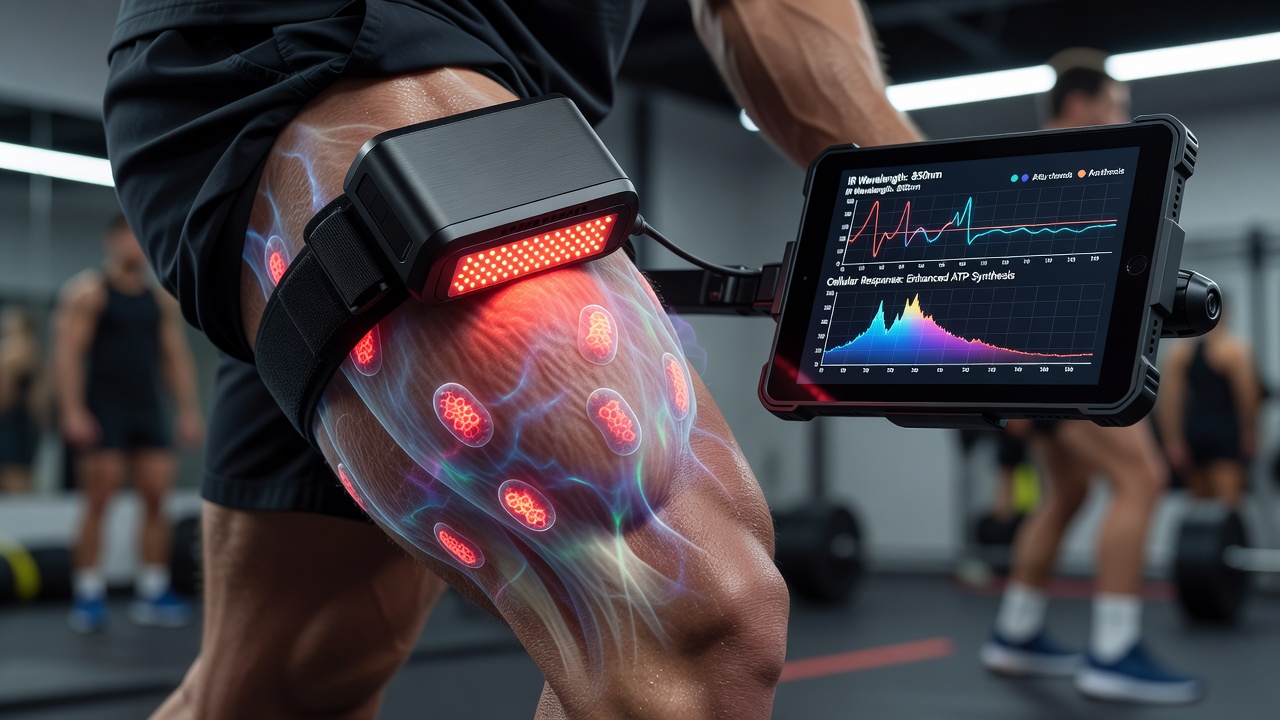
Full-body panels deliver uniform coverage ideal for systemic mitochondrial support, covering large surface areas in one session. Targeted devices excel at precise application to joints, brain areas, or specific muscle groups. Many elite users combine both: panels for baseline enhancement and targeted tools for acute issues. Portability factors, power consistency across panels, and modular wavelength options influence selection, with full-body units often favored for comprehensive daily routines and handheld devices reserved for pinpoint recovery needs during travel or competition prep.
Real-World Case Studies from High-Performing Athletes
Professional cyclists have reported 15-20% improvements in time-to-exhaustion metrics after 8-week PBM protocols using combined 660nm and 850nm wavelengths. Endurance runners note faster VO2 max gains when integrating PBM with interval training. These case studies highlight measurable ATP output increases tracked via wearable metabolic sensors. Strength athletes using targeted near-infrared applications on recovery days experienced reduced inflammation markers and quicker return to peak loads, often shaving days off typical rehabilitation timelines.
Another documented example involves triathletes incorporating pulsed 940nm sessions during taper weeks, resulting in sustained power output during race simulations and lower perceived exertion scores. These real-world outcomes underscore the value of consistent metric tracking to refine protocols iteratively.
Step-by-Step Implementation Guide
- Assess baseline mitochondrial function using available biomarkers like resting heart rate variability and lactate threshold tests.
- Select devices matching desired wavelengths and irradiance levels, verifying third-party testing for output accuracy.
- Establish a consistent schedule aligned with training cycles, incorporating both full-body and targeted applications as needed.
- Monitor progress with metrics including subjective energy, sleep quality, and objective ATP proxies from validated wearables.
- Adjust dosing every 2-4 weeks based on tracked results, incorporating rest periods to prevent adaptation plateaus.
- Document environmental factors such as ambient temperature and hydration status that may influence light absorption rates.
Tracking Metrics and Advanced Experimentation
Key metrics for success include indirect ATP indicators such as muscle oxygen saturation via near-infrared spectroscopy wearables, daily energy logs, and periodic blood panels measuring oxidative stress. Elite practitioners often layer photobiomodulation experiments with controlled variables like nutrition timing to isolate effects. A scannable list of recommended tracking tools includes continuous glucose monitors for metabolic insights, force plate assessments for power output, and subjective recovery scales rated daily on a 1-10 scale.
Safety Considerations and Cost-Benefit Analysis
Safety profiles remain excellent when following manufacturer guidelines and avoiding eye exposure. Long-term users benefit from reduced recovery time and performance gains without recurring expenses beyond initial equipment. Common pitfalls include inconsistent application and failure to customize based on response data.
FAQs
Is photobiomodulation safe for daily use? Yes, when adhering to recommended dosages and wavelengths, with periodic breaks for adaptation to maintain sensitivity.
How do I measure results? Focus on performance logs, recovery speed, and lab-tested mitochondrial markers where accessible through specialized testing facilities.
What are common mistakes to avoid? Overdosing, inconsistent application, and neglecting wavelength specificity can reduce efficacy significantly.
Can protocols be combined with other optimization methods? Yes, when timed appropriately around training and recovery windows for synergistic outcomes.
Conclusion
2026 photobiomodulation protocols offer elite mitochondrial optimization through precise, evidence-based application. By mastering wavelengths, dosing, and device selection, biohackers can achieve quantifiable enhancements in energy and performance. Start with foundational protocols and iterate based on personal data for sustained results. Continued refinement through experimentation ensures these techniques remain at the forefront of advanced biohacking strategies.
No comments yet. Be the first!