 Slow Bio Hack
Introduction to 2026 AI Wearables in Elite Biohacking
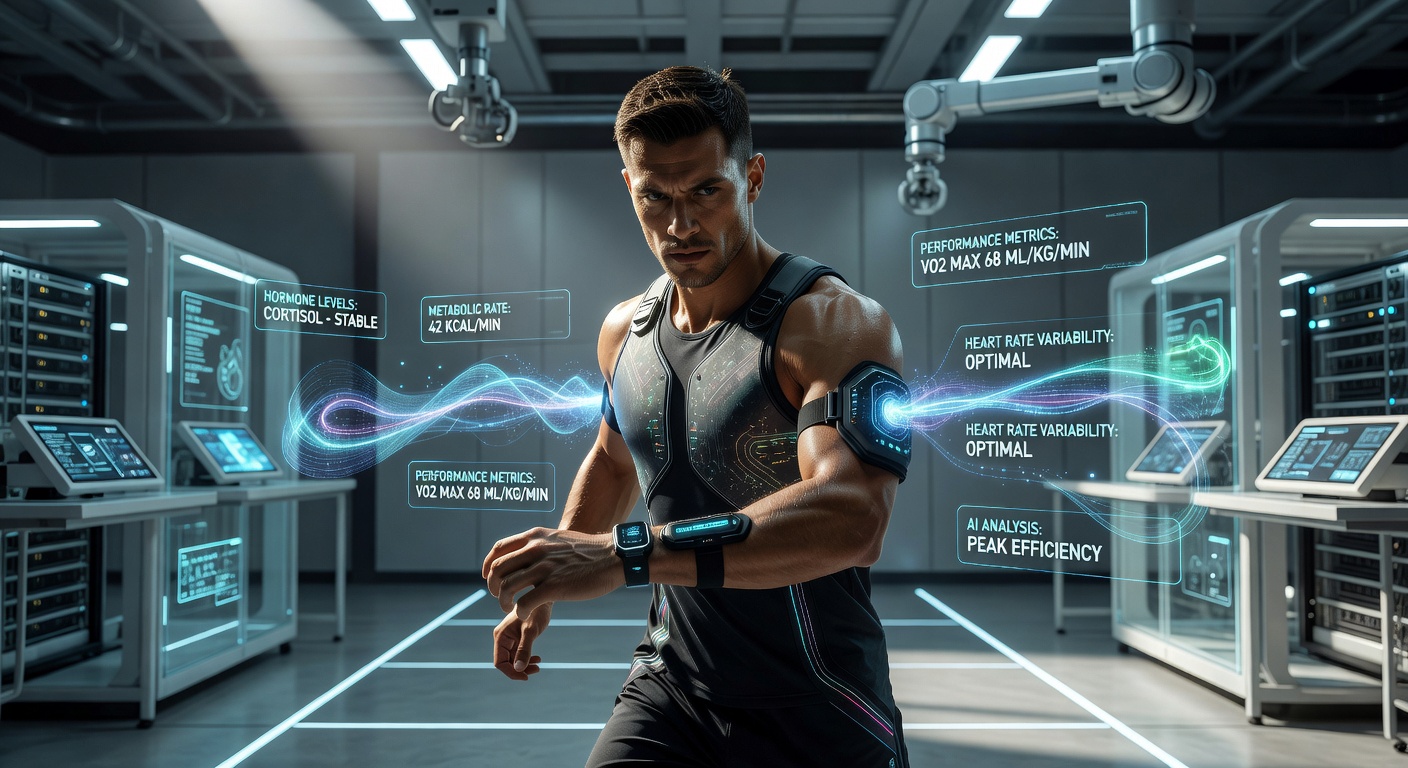
Advanced AI wearables in 2026 are transforming biohacking by delivering real-time multi-sensor data fused with machine learning models. Elite users now conduct dynamic performance experiments that adjust protocols like hormone cycling and metabolic tuning on the fly, achieving measurable gains beyond traditional tracking methods. These devices combine continuous monitoring of biomarkers such as heart rate variability, blood oxygen, skin conductance, and emerging neural signals to create personalized optimization loops. The result is a shift from passive data logging to active, adaptive experimentation that responds within minutes to physiological changes.
High performers in athletics, executive roles, and competitive fields increasingly rely on these systems to fine-tune recovery, focus, and endurance. By integrating data streams from multiple sensors, machine learning algorithms identify patterns invisible to manual analysis and suggest immediate protocol tweaks. This article examines the technology, practical implementation, real outcomes, and necessary precautions for those pursuing cutting-edge optimization.
2026-Specific Advancements in AI Wearable Technology
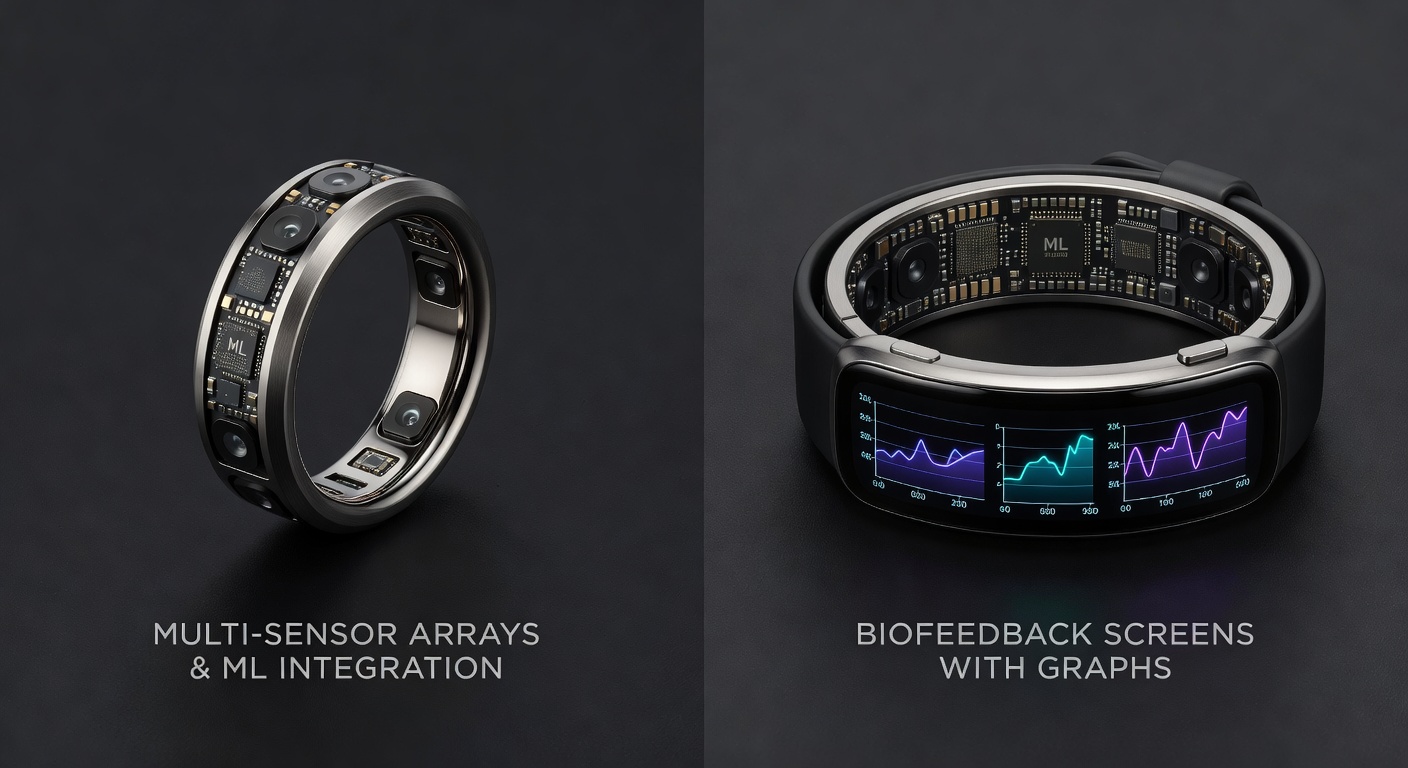
Next-generation devices incorporate continuous glucose monitors, ECG sensors, cortisol trackers, and neural interfaces. These stream data into edge-computing ML models that predict and adapt interventions instantly. Integration with cloud-based reinforcement learning allows protocols to evolve based on individual biomarkers. Key innovations include improved miniaturization of multi-modal sensors, on-device inference for low-latency decisions, and federated learning approaches that enhance model accuracy while preserving user privacy.
Sensor Fusion and Real-Time Processing
Modern wearables fuse inputs from optical, electrochemical, and acoustic sensors to generate composite health scores. For example, combining cortisol trends with sleep architecture data enables precise timing for hormone cycling experiments. Edge processing reduces reliance on constant internet connectivity, allowing athletes to test metabolic tuning adjustments during remote training sessions.
Machine Learning Model Integration
Reinforcement learning agents now simulate thousands of protocol variations in parallel before recommending changes. Users define objective functions such as maximizing sustained energy or minimizing inflammation markers, and the system iterates accordingly. This represents a significant leap from 2024-era static thresholds.
Device Comparisons for Elite Optimization
Leading options include multi-sensor platforms from established tech firms versus specialized biohacking hardware. Key factors are sensor accuracy, battery life, ML model transparency, and API openness for custom experiments. Users should evaluate latency in real-time feedback loops and compatibility with hormone or metabolic datasets. Premium models offer superior multi-day battery performance and advanced neural signal capture, while more accessible units excel in seamless smartphone integration and community-driven protocol libraries.
- High-end platforms prioritize clinical-grade accuracy for hormone and metabolic data but require more frequent calibration.
- Mid-tier devices balance cost with solid ML capabilities suitable for most elite users beginning experiments.
- Open-source compatible wearables allow deeper customization of optimization algorithms at the expense of initial setup complexity.
Selection ultimately depends on specific goals, such as rapid metabolic tuning versus long-term hormone cycling stability.
Implementation Steps for Data-Driven Experiments
Begin with baseline data collection over 7-14 days using validated devices. Define experiment hypotheses around variables such as hormone cycling intervals or metabolic thresholds. Deploy ML models to monitor deviations and trigger protocol shifts. Validate outcomes through periodic lab tests and iterative A/B testing of interventions. Scale by layering additional sensors while maintaining data privacy controls. Follow these detailed phases for successful rollout:
- Assemble a core sensor suite and ensure firmware is updated to the latest 2026 standards for optimal ML performance.
- Establish secure local and cloud data pipelines with encryption to protect sensitive biomarker information.
- Run calibration protocols against clinical reference measurements to minimize sensor drift over multi-week experiments.
- Configure objective functions within the wearable app or companion software, specifying targets like improved recovery scores or stable energy levels.
- Execute controlled experiments in short cycles of three to five days, logging all interventions and environmental factors.
- Review aggregated insights weekly and adjust model parameters based on observed trends and lab correlations.
- Scale successful protocols by adding new data streams such as respiratory rate or advanced metabolic markers.
Throughout, maintain detailed journals of subjective feelings alongside quantitative outputs to capture holistic effects.
Real-World Case Studies from High Performers
Elite athletes and executives have reported improved recovery metrics and sustained energy through AI-adjusted metabolic tuning. One documented approach involved continuous sensor fusion leading to optimized hormone protocols, resulting in enhanced cognitive performance during high-stakes periods. These cases highlight quantifiable improvements in VO2 max and recovery scores when compared to static tracking. In another example, a competitive cyclist used real-time ML recommendations to refine carbohydrate intake timing, achieving measurable gains in endurance output over a six-week training block. Executives experimenting with cortisol-focused cycling reported better sleep consistency and decision-making clarity after four weeks of guided adjustments. These outcomes demonstrate how 2026 AI wearables move beyond monitoring into active co-pilot roles for performance.
Potential Risks Versus Traditional Tracking Methods
While AI wearables offer superior granularity, risks include data overfitting, sensor drift, and over-reliance on algorithmic suggestions without medical oversight. Traditional methods provide simpler baselines but lack adaptive capabilities. Users must cross-validate ML outputs with professional diagnostics to mitigate false positives in optimization experiments. Overfitting can occur when models chase noise in short-term data rather than true physiological signals. Sensor drift may introduce cumulative errors in long experiments, necessitating regular recalibration. Traditional paper-based or basic app logging avoids algorithmic bias but cannot deliver the same speed of adaptation. Authoritative guidance on wearable health tech is available from FDA resources on digital health devices and NIH biomedical research portals.
Quantifiable Outcomes and Metrics to Track
Successful experiments typically monitor metrics including heart rate variability trends, resting metabolic rate estimates, inflammatory markers via skin conductance, and subjective performance ratings. Elite users often see stabilization in energy levels within two weeks and measurable biomarker shifts by week four when protocols are properly tuned. Consistent logging combined with periodic bloodwork provides the strongest evidence of progress.
Mistakes to Avoid in Early Experiments
- Skipping baseline collection and jumping directly into interventions.
- Ignoring environmental variables such as travel or stress that confound results.
- Failing to cross-check ML suggestions against clinical data.
- Overloading the system with too many simultaneous variables, making causality unclear.
Practical FAQ on Setup, Accuracy, and Scaling
How do I set up initial AI wearable experiments?
Start by pairing devices with compatible apps, establish secure data pipelines, and run calibration protocols using reference biomarkers. Consult integration guides from device manufacturers for seamless ML model deployment.
What methods validate accuracy of real-time adjustments?
Combine wearable readings with periodic clinical assays and statistical correlation analysis. Use control periods without AI interventions to quantify improvements. Resources on data validation standards can be found via NIH biomedical research portals.
How can I scale routines for ongoing personal optimization?
Gradually incorporate additional data streams while monitoring for diminishing returns. Automate routine adjustments but retain human oversight for complex hormone cycling. Long-term success depends on consistent logging and periodic review of model performance metrics.
What privacy considerations apply when using cloud ML models?
Review data retention policies and opt for on-device processing options where available. Many 2026 platforms support federated learning that improves models without transmitting raw personal data. Additional guidance appears on CDC digital health privacy pages.

No comments yet. Be the first!