 Slow Bio Hack
Introduction to Vagus Nerve Stimulation in 2026 Biohacking
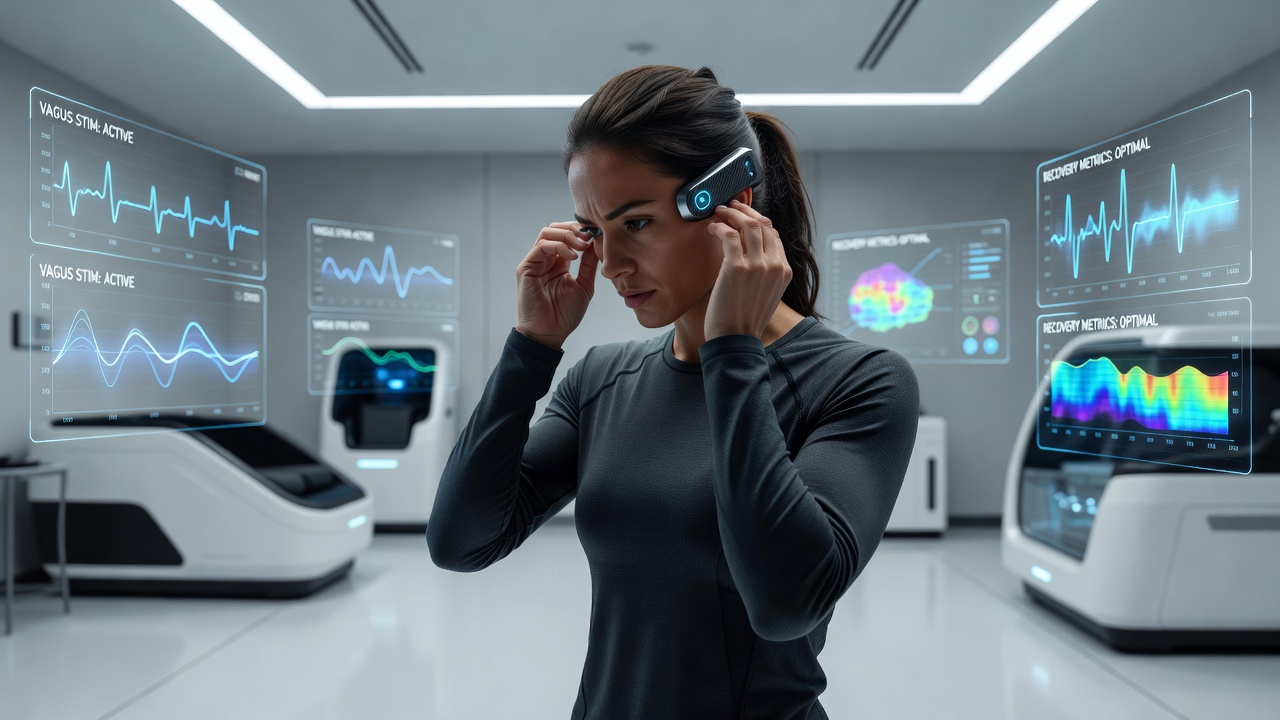
In 2026, vagus nerve stimulation (VNS) has emerged as a cornerstone of elite biohacking for accelerated recovery and performance enhancement. This non-invasive neuromodulation technique targets the parasympathetic nervous system to reduce inflammation, boost heart rate variability (HRV), and promote faster physiological restoration. Athletes and high-performers are integrating VNS into daily protocols to gain measurable edges in training recovery and mental resilience. The growing interest stems from its ability to modulate the autonomic nervous system without pharmaceuticals, making it a preferred choice for those seeking sustainable optimization. As wearable technology advances, real-time feedback loops allow users to fine-tune sessions based on live biometric data, transforming VNS from an experimental tool into a reliable daily practice.
Understanding Non-Invasive Neuromodulation Protocols
Modern VNS devices deliver targeted electrical impulses to the vagus nerve through the skin, typically at the ear or neck. These protocols enhance parasympathetic activity while lowering sympathetic overdrive. Research from leading institutions highlights how consistent stimulation can decrease pro-inflammatory cytokines, leading to improved sleep architecture and reduced recovery times post-exercise. The vagus nerve serves as a primary communication highway between the brain and major organs, influencing everything from digestion to immune response. By activating its afferent fibers, non-invasive methods trigger downstream effects that include lowered cortisol levels and enhanced vagal tone. Practitioners often combine these protocols with breathwork to amplify results, creating a compounded parasympathetic shift that supports both physical repair and cognitive clarity during high-stress periods.
Core Physiological Mechanisms
Key mechanisms include increased acetylcholine release and modulation of the cholinergic anti-inflammatory pathway. This process helps regulate the body's inflammatory response, which is particularly beneficial for athletes dealing with repetitive strain or intense training loads. Over time, users notice stabilized mood patterns and quicker return to baseline after demanding events. Monitoring tools track these changes through metrics like respiratory sinus arrhythmia, providing objective validation of protocol effectiveness.
Device Comparisons for 2026 Practitioners
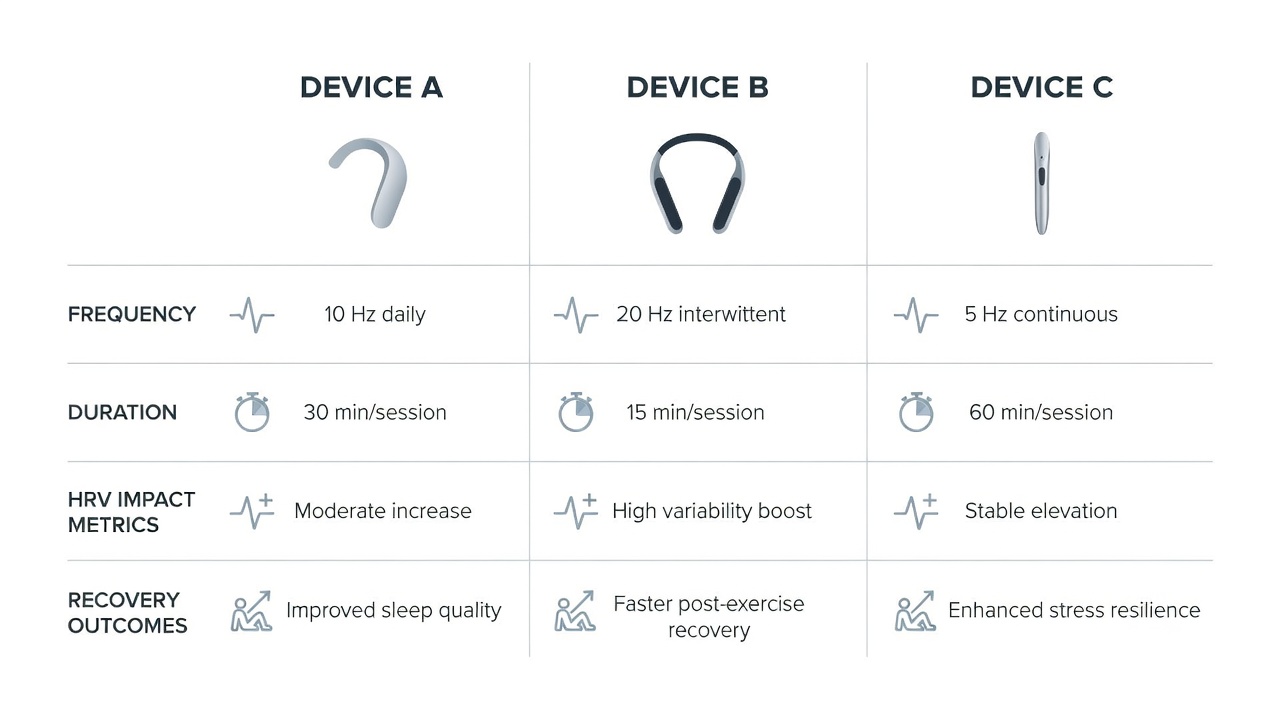
Several non-invasive options stand out in the current landscape. Ear-clip transcutaneous devices offer portability and ease for daily use, while neck-worn models provide deeper penetration for intense sessions. Comparisons reveal differences in waveform precision, battery life, and app integration for parameter tracking. Elite users often rotate between devices to prevent adaptation and maximize parasympathetic response. Ear-based systems excel in convenience for travel, whereas neck units may deliver more consistent current delivery during stationary recovery periods. Factors such as electrode material comfort and customizable intensity curves further differentiate premium options from entry-level alternatives.
When selecting tools, consider frequency ranges from 20-30 Hz and pulse widths of 200-500 microseconds for optimal recovery effects. Users should evaluate signal stability across different body positions and skin types to ensure reliable stimulation every session.
Personalized Stimulation Parameters and HRV Improvements
Customization is essential. Start with 10-20 minute sessions at low intensity (0.5-2 mA), performed morning and evening. Track HRV using validated wearables to adjust parameters—higher baseline HRV athletes may benefit from shorter, higher-frequency bursts. Measurable outcomes include elevated RMSSD scores and reduced resting heart rate, often visible within 7-14 days of structured use. Advanced practitioners experiment with duty cycles, alternating stimulation on and off periods to mimic natural vagal firing patterns. This personalization prevents tolerance buildup and sustains long-term gains in autonomic balance.
Integration with Performance Experiments
Combine VNS with cold exposure, breathwork, or red light therapy for synergistic effects. Case studies from professional endurance athletes demonstrate 30% faster lactate clearance when VNS precedes post-training recovery windows. Step-by-step implementation begins with baseline HRV assessment, followed by progressive loading of stimulation duration. Layering modalities requires careful sequencing—for instance, applying VNS immediately after a cold plunge maximizes the shift into restorative states. Performance experiments also explore timing around competitions, where pre-event sessions help maintain composure under pressure.
- Week 1: Establish tolerance with 5-minute sessions twice daily.
- Week 2-3: Increase to 15 minutes while logging sleep and soreness metrics.
- Week 4+: Introduce variable parameters based on daily readiness scores.
Real-World Case Studies from High-Level Athletes
Professional triathletes report using VNS protocols to cut inflammation markers by half during peak training blocks. One marathon runner integrated ear-based stimulation with zone-2 cardio, achieving personal best recovery scores tracked over six months. These experiments underscore the value of data-driven adjustments for sustained elite performance. A professional cyclist documented reduced muscle soreness and improved sleep efficiency after incorporating neck-worn VNS during multi-stage races. Another example involves a CrossFit competitor who paired VNS with mobility routines, noting faster resolution of joint discomfort and higher training volume tolerance without burnout.
Common Mistakes to Avoid
Many beginners overlook gradual intensity ramp-up, leading to discomfort or inconsistent results. Another frequent error is neglecting consistent tracking, which obscures true progress. Avoiding sessions during acute illness and ensuring proper electrode placement are critical for safety and efficacy.
Step-by-Step Implementation Guide
Begin by consulting a qualified practitioner for initial nerve mapping. Acquire a clinically validated device and pair it with an HRV app. Schedule sessions away from meals to avoid digestive interference. Monitor for subtle signs of overstimulation such as dizziness, and titrate intensity accordingly. Document environmental factors like room temperature or time of day to refine future protocols.
Potential Synergies with Other Optimization Tools
VNS pairs effectively with NIH resources on neuromodulation insights and Mayo Clinic wellness frameworks. Layering with meditation apps or sauna protocols amplifies parasympathetic dominance, creating compounded recovery benefits. Integration with sleep trackers further refines timing recommendations for maximal overnight restoration.
Conclusion
2026 vagus nerve stimulation represents a powerful frontier in elite biohacking. With disciplined application of personalized protocols, athletes can achieve superior recovery, reduced inflammation, and elevated HRV. Continued experimentation guided by objective metrics will define the next wave of optimization success.
FAQ
Is VNS safe for daily use? When following manufacturer guidelines and starting at low intensities, non-invasive VNS demonstrates an excellent safety profile for healthy adults.
What dosing schedule works best? Most protocols recommend 10-30 minutes twice daily, adjusted based on individual HRV response and recovery needs.
How long until results appear? Initial HRV improvements often emerge within 1-2 weeks, with more pronounced inflammation reduction visible after 4-6 weeks of consistent practice.
Can VNS be combined with medications? Always consult a healthcare provider before combining VNS with any pharmaceutical regimen to ensure compatibility and avoid unintended interactions.
No comments yet. Be the first!