 Slow Bio Hack

Introduction to Peptoid-Based Biohacking in 2026
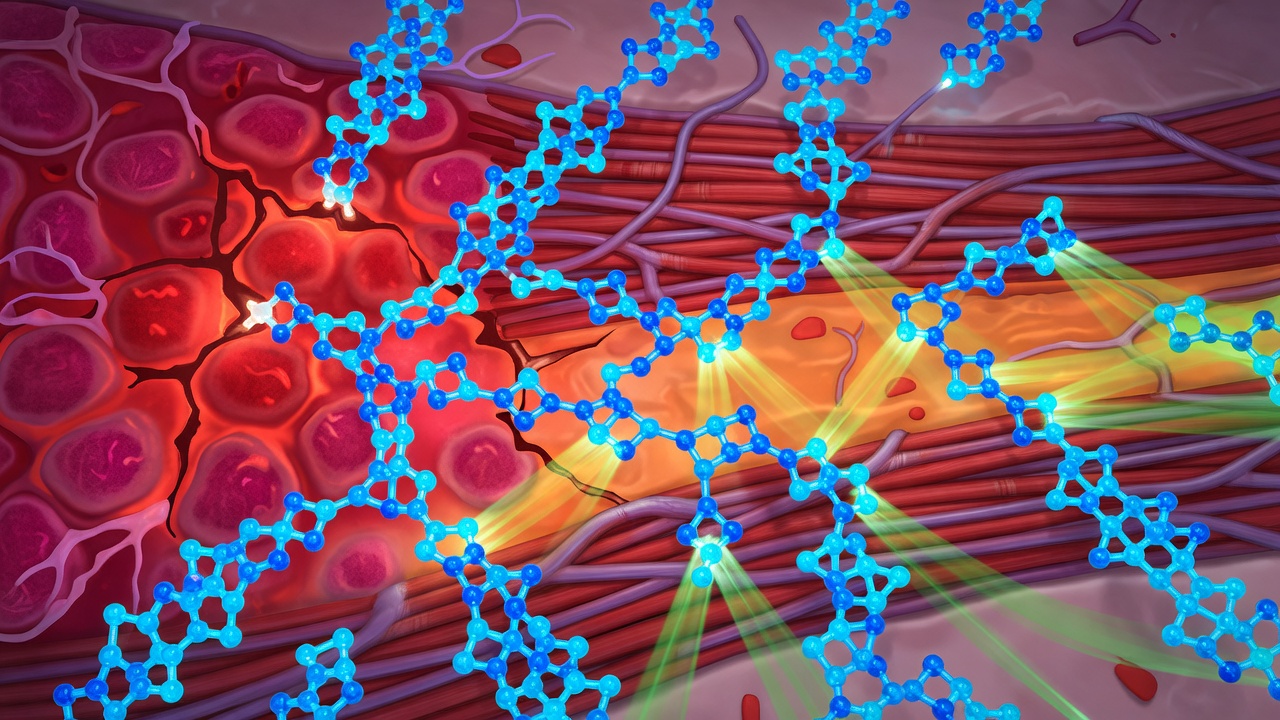
Advanced biohacking continues to evolve rapidly, with peptoid stacks emerging as a powerful tool for elite recovery experiments. These synthetic molecules offer targeted support for inflammation reduction and tissue repair, distinguishing themselves through enhanced stability and bioavailability compared to traditional peptides. In 2026, athletes, executives, and high performers seek novel recovery hacks that deliver measurable results beyond conventional methods like ice baths or basic supplementation. Peptoids represent a fresh angle by providing greater resistance to breakdown in the body, allowing for more efficient delivery and longer-lasting effects. This article delves deeply into the science, practical protocols, real-world applications, and safety considerations to help readers implement informed experiments.
The search for optimized recovery often leads to questions about how synthetic alternatives outperform natural peptides. Peptoid stacks address key pain points such as rapid degradation and inconsistent absorption, making them suitable for demanding training schedules. Throughout this guide, we explore protocol design, dosage comparisons, case studies from elite athletes, integration with wearable technology, and benchmarks for success.
Understanding Peptoids Versus Traditional Peptides
Peptoids, or N-substituted glycines, differ fundamentally from peptides in their molecular structure. While peptides consist of amino acids linked by peptide bonds, peptoids feature side chains attached to the nitrogen atom, granting resistance to enzymatic degradation. This structural advantage leads to superior stability in physiological environments and improved absorption rates. Traditional peptides often require frequent dosing because proteases quickly break them down, whereas peptoids maintain integrity for extended periods.
Bioavailability studies highlight how peptoids maintain integrity longer, allowing for more consistent delivery to target tissues. Researchers at institutions like the National Institutes of Health continue to investigate these properties for therapeutic applications. In practical terms, this means users experience steadier anti-inflammatory responses without the peaks and troughs common in peptide therapies. For biohackers, the difference translates to fewer injections or oral doses while achieving comparable or superior outcomes in tissue repair.
Targeting Inflammation and Tissue Repair
Inflammation serves as a primary barrier to elite recovery. Peptoid stacks can modulate inflammatory pathways more precisely than many conventional approaches. By interacting with specific receptors, they help accelerate the resolution phase of inflammation while promoting cellular repair mechanisms. This targeted action reduces swelling, supports mitochondrial function, and aids in collagen production for faster healing of micro-tears in muscles and tendons.
Tissue repair benefits extend to muscle, tendon, and joint structures. High-performing individuals report faster return to baseline function following intense training loads when incorporating these stacks. For example, a peptoid focused on NF-kB pathway modulation can lower pro-inflammatory cytokines, creating an environment where repair processes thrive. Comparisons with standard peptide stacks show peptoids often require half the frequency of administration while delivering sustained benefits over 48-72 hours.
Designing Effective Peptoid Protocols
Protocol design begins with individual assessment of recovery needs and biomarkers. A typical stack might combine peptoids focused on anti-inflammatory effects with those supporting collagen synthesis. Step-by-step implementation includes baseline testing of inflammatory markers like CRP and IL-6, gradual introduction over 7-10 days, and ongoing monitoring via blood panels every two weeks. Start with a loading phase of three days at a moderate dose, then transition to maintenance.
Dosage comparisons reveal that peptoid regimens often require lower frequencies than peptide equivalents due to prolonged half-lives. For instance, a common peptide like BPC-157 might need daily administration, while a peptoid analog could be effective every other day. Users should document subjective feelings of soreness alongside objective data. Mistakes to avoid include stacking too many compounds simultaneously or ignoring individual genetic variations in metabolism.
Real-World Case Studies from Elite Athletes
Consider the example of a professional endurance athlete who integrated a peptoid stack into their regimen. Over eight weeks, wearable data showed a 25% reduction in recovery time between high-intensity sessions, alongside decreased inflammatory markers. The athlete combined a stability-enhanced peptoid with sleep optimization and noted improved VO2 max readings during follow-up testing. Another case involved a strength competitor noting improved joint mobility and reduced soreness post-competition, with grip strength metrics increasing by 12% within four weeks.
These outcomes underscore the potential when protocols are tailored and tracked rigorously. A third example from a mixed martial artist demonstrated faster resolution of training-induced inflammation, allowing for higher weekly training volume without burnout. Such case studies highlight the importance of personalization rather than one-size-fits-all approaches.
Integration with Wearable Tracking Technology
Wearables provide objective data on heart rate variability, sleep quality, and movement patterns. Pairing these devices with peptoid use allows for real-time adjustments. For instance, if HRV drops below personal baseline, protocol tweaks can be made promptly to optimize results. Devices tracking sleep stages can reveal whether the stack improves deep sleep duration, a critical factor in tissue repair.
Platforms from leading tech providers enable seamless logging of subjective recovery scores alongside objective metrics. Users often cross-reference wearable outputs with lab results to validate efficacy. This data-driven method helps distinguish genuine improvements from placebo effects.
Risk Assessments and Safety Considerations
Any advanced intervention carries risks. Potential side effects of peptoid stacks may include mild gastrointestinal responses or transient fatigue during adaptation. Long-term data remains limited, emphasizing the need for medical supervision and regular bloodwork. Individuals with pre-existing conditions should undergo thorough screening before starting.
Risk mitigation strategies involve sourcing from verified suppliers, starting with minimal effective doses, and avoiding combinations with untested compounds. Monitoring for allergic reactions or unexpected changes in energy levels is crucial. Always prioritize third-party purity testing to minimize contamination risks.
Measurable Outcome Benchmarks
Track progress through standardized metrics such as inflammatory cytokine levels, creatine kinase for muscle damage, and subjective wellness scores. Elite users often aim for 15-30% improvements in recovery speed within 4-6 weeks, validated by both lab tests and performance logs. Additional benchmarks include reduced resting heart rate and enhanced range of motion measured via apps or physical assessments.
Practical tools like weekly performance diaries help quantify gains. For example, noting the time required to return to 90% of max lift capacity provides concrete feedback on stack effectiveness.
Practical FAQs for 2026 Contexts
How safe are peptoid stacks for long-term use?
Safety profiles appear promising based on current research, but extended studies are ongoing. Regular health monitoring is essential, including quarterly consultations with a knowledgeable physician.
Where can reliable peptoids be sourced?
Focus on suppliers adhering to rigorous quality standards, cross-referenced with third-party testing. Check resources from FDA guidelines for compounding and research chemicals to ensure compliance with purity expectations.
What synergies exist with other stacks?
Peptoids pair well with foundational elements like optimized nutrition, sleep protocols, and select nootropics. Avoid overlapping mechanisms to prevent redundancy and potential side effects.
Are there specific mistakes beginners should avoid?
Common errors include skipping baseline bloodwork, increasing doses too rapidly, and neglecting hydration or micronutrient support. Always introduce one compound at a time.
How do peptoid stacks compare in cost and accessibility?
While pricing varies, they generally offer better value through reduced dosing frequency compared to daily peptide regimens, though accessibility depends on regional regulations.
Conclusion
Peptoid stacks represent a frontier in 2026 advanced biohacking for elite recovery. Through careful protocol design, wearable integration, and vigilant risk management, performers can explore these tools for meaningful optimization. Continued research and personalized application will define their role in future experiments. By following the detailed guidance provided, users can approach these interventions with greater confidence and clarity.


No comments yet. Be the first!