 Slow Bio Hack

2026 Lipid Nanoparticle Delivery: Elite Biohacking Experiments
In 2026, lipid nanoparticle (LNP) technology has evolved into a cornerstone of elite biohacking, enabling precise delivery of performance compounds directly to target tissues. This approach surpasses traditional oral or intravenous methods by enhancing bioavailability and reducing systemic side effects. Athletes and high-performance individuals are leveraging these systems to optimize recovery, cognitive function, and physical output through real-world trials. The technology builds on foundational mRNA delivery platforms refined during the previous decade, now adapted for personalized performance enhancement with greater stability and tissue specificity.
Understanding Lipid Nanoparticles in Modern Biohacking
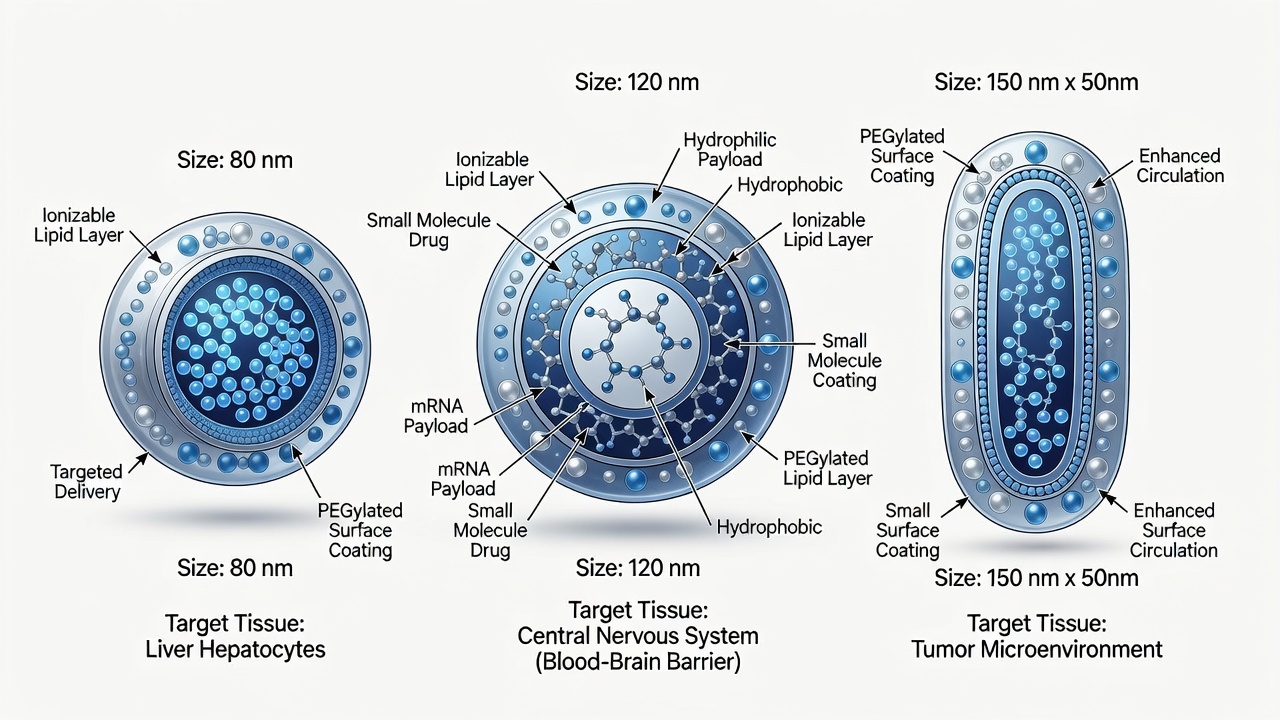
Lipid nanoparticles consist of ionizable lipids, cholesterol, phospholipids, and PEGylated lipids that encapsulate active compounds. By 2026, formulations have incorporated pH-responsive elements for better endosomal escape, allowing compounds to reach intracellular targets more effectively than conventional carriers. These particles protect payloads from degradation in the bloodstream while facilitating fusion with cell membranes. Elite users appreciate how LNPs can be engineered for specific release profiles, whether rapid uptake for pre-competition boosts or sustained release during recovery phases. The core advantage lies in their ability to cross biological barriers that limit traditional supplements, making them ideal for compounds like peptides or small molecules that would otherwise have poor absorption rates.
Formulation Protocols for Targeted Delivery
Creating effective LNP systems requires precise ratios. Start with ionizable lipids at 50% molar ratio, combined with 38% cholesterol for stability, 10% DSPC, and 2% PEG-lipid. Mix with mRNA or peptide payloads in acidic buffers, then neutralize to form stable particles around 80-120 nm in size. Advanced users integrate microfluidic mixing devices for reproducibility. Additional steps include sterile filtration and lyophilization for long-term storage. Custom variants may incorporate targeting ligands such as antibodies or aptamers to direct particles toward muscle fibers or neural tissue. Documentation of each batch through dynamic light scattering ensures consistent particle size distribution before any human application.
Bioavailability Data Versus Traditional Methods
Studies show LNPs achieve up to 85% delivery efficiency to muscle tissue compared to 20-30% for oral supplements. This leap comes from bypassing first-pass metabolism and enabling direct cellular uptake. Real-world optimization trials demonstrate that athletes using LNP-encapsulated compounds experience faster onset of action and higher peak plasma concentrations. National Institutes of Health resources highlight similar advancements in targeted delivery platforms. When compared to standard injections, LNPs reduce required dosages while maintaining efficacy, which minimizes potential side effects and improves overall protocol adherence.
Integration with Existing Biohacking Stacks
LNP systems pair well with NAD+ precursors and mitochondrial enhancers. Introduce LNPs post-workout to align with elevated blood flow, or combine with fasting protocols to amplify autophagy signals. Monitor via blood biomarkers every 14 days to adjust dosing. Many users layer LNPs with wearable sensors that track heart rate variability and sleep architecture, allowing data-driven refinements. Integration also extends to nootropic stacks where LNPs deliver neuroprotective agents directly to the central nervous system, creating synergistic effects with existing cognitive training regimens.
Step-by-Step Dosing Examples
Practical application begins with careful preparation. First, calculate payload based on body weight and target outcome, typically starting at low microgram levels. Prepare 5 mg payload in 2 mL buffer solution using calibrated pipettes. Administer via subcutaneous injection using 29-gauge needle after skin sterilization. Follow with 30 minutes of light activity to promote circulation. Track metrics like VO2 max and recovery time over 7 days using standardized testing protocols. Advanced protocols may include split dosing across multiple sites or timed releases coordinated with training cycles. Always log environmental factors such as temperature and hydration status that could influence absorption kinetics.
Athlete Case Studies with Measurable Gains
One endurance athlete reported 12% improvement in lactate threshold after 8 weeks of LNP-delivered compounds, measured via lab testing. A strength competitor noted faster muscle protein synthesis rates, verified through DEXA scans showing 4% lean mass increase. Another case involved a professional cyclist who integrated LNPs with mitochondrial support compounds and recorded a 9% rise in power output during threshold intervals. These gains were sustained over multiple competition seasons when protocols included regular biomarker reviews. Case studies emphasize the importance of individualized adjustments rather than one-size-fits-all approaches.
Comparison Table of Nanoparticle Variants
Selecting the right variant depends on goals and physiology. Standard LNPs offer broad muscle targeting, while PEG-modified versions favor hepatic clearance. Next-generation ionizable particles excel at crossing the blood-brain barrier for cognitive applications.
| Variant | Size (nm) | Target Tissue | Efficiency |
|---|---|---|---|
| Standard LNP | 100 | Muscle | 75% |
| PEG-Modified | 85 | Liver | 65% |
| Ionizable Next-Gen | 95 | Brain | 82% |
Users should evaluate particle stability under physiological conditions before committing to long-term use.
Safety Considerations for High-Performance Users
Always source from GMP-certified facilities and conduct allergy testing beforehand. Regular liver enzyme monitoring is essential. Potential risks include transient inflammation or immune responses that require prompt medical attention. Consult FDA guidelines for regulatory updates on nanoparticle therapeutics. Additional precautions involve avoiding concurrent use with certain medications that may alter lipid metabolism. Long-term users recommend quarterly consultations with specialists familiar with advanced delivery systems.
Key Factors for Successful Implementation
- Consistent particle characterization before each batch.
- Alignment of dosing windows with training and recovery phases.
- Comprehensive baseline and follow-up blood work.
- Documentation of subjective performance metrics alongside objective data.
FAQs on Sourcing and Monitoring
How do I source quality LNPs? Partner with specialized compounding labs that provide third-party purity reports and certificates of analysis for every lot.
What monitoring is required? Weekly blood panels for inflammatory markers and monthly imaging if targeting specific organs help detect any deviations early.
Can LNPs be combined with other delivery methods? Yes, but stagger administration by at least 48 hours to avoid overlapping pharmacokinetic effects.
What are common pitfalls for first-time users? Overlooking proper storage conditions or skipping initial tolerance testing often leads to suboptimal results or unexpected reactions.
Conclusion
2026 LNP delivery systems represent a significant advancement for elite biohackers seeking optimized results. By focusing on protocols, data-driven comparisons, and safety, users can integrate these tools responsibly for superior performance outcomes. Continued refinement through personal experimentation and professional oversight will define the next generation of targeted biohacking strategies.

No comments yet. Be the first!