 Slow Bio Hack

Introduction to Advanced Stem Cell Biohacking in 2026
Elite athletes and high-performance biohackers are turning to cutting-edge stem cell therapies to push beyond conventional limits. In 2026, protocols leveraging mesenchymal stem cells (MSCs) and induced pluripotent stem cells (iPSCs) offer targeted enhancements in recovery speed, endurance capacity, and tissue regeneration. These experimental approaches integrate seamlessly with existing optimization stacks like peptides, NAD+ boosters, and advanced training regimens. This article dives deep into the science, practical implementation, measurable outcomes, and decision frameworks for advanced users seeking results-driven techniques that deliver quantifiable edges in performance experiments.
The focus remains on experimental results from real-world applications, emphasizing how these therapies accelerate healing from micro-trauma accumulated during high-volume training while supporting systemic improvements in energy metabolism and cellular resilience. Readers will find concrete examples, monitoring strategies, and comparisons that help evaluate whether these protocols align with their current biohacking routines.
Core Stem Cell Types in Performance Protocols
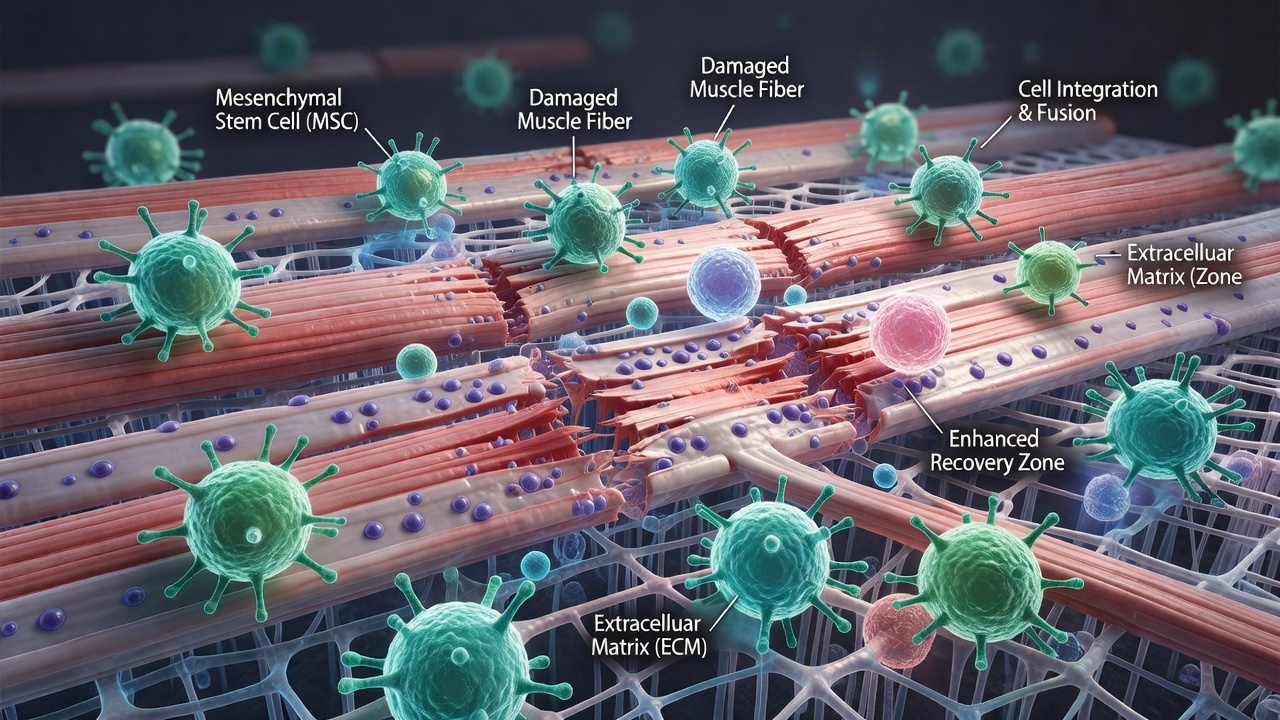
Mesenchymal stem cells excel in anti-inflammatory and regenerative effects, particularly for musculoskeletal repair. They modulate immune responses and promote angiogenesis, making them ideal for athletes recovering from repetitive stress injuries. Induced pluripotent stem cells provide versatility by differentiating into various tissue types, supporting broader endurance and recovery applications. Researchers highlight their potential in addressing micro-tears from intense training that traditional methods overlook, with iPSCs offering the added benefit of patient-specific customization to minimize rejection risks.
Mechanisms of Action for MSCs
MSCs release paracrine factors that reduce oxidative stress and stimulate satellite cell activation in muscle tissue. This leads to faster resolution of inflammation and improved collagen deposition during tendon and ligament repair. In endurance contexts, MSCs have been observed to enhance mitochondrial biogenesis, supporting sustained energy output over long efforts.
Mechanisms of Action for iPSCs
iPSCs can be reprogrammed to generate exosomes or progenitor cells tailored to specific needs such as cardiac or neural tissue support. In performance experiments, this flexibility allows protocols to target both peripheral recovery and central nervous system fatigue, providing a holistic optimization layer not available through standard training alone.
2026 Protocol Frameworks for Elite Optimization
Current protocols emphasize personalized dosing based on biomarkers such as CRP levels, IL-6 inflammation markers, and VO2 max data collected via lab testing and wearable devices. A typical cycle begins with a baseline assessment, followed by intravenous or localized MSC infusions combined with iPSC-derived exosomes for accelerated cellular signaling. Integration involves stacking with cryotherapy and red light therapy sessions timed 48 hours post-infusion to amplify effects without overwhelming the system.
Practical steps include consulting specialized clinics for autologous sourcing, tracking progress via wearable metrics like heart rate variability and sleep efficiency, and cycling protocols every 8-12 weeks with built-in rest periods to allow cellular adaptation. Experimenters often document pre- and post-protocol performance benchmarks to quantify gains in power output and time-to-recovery.
Integration with Existing Biohacking Stacks
Stem cell therapies complement peptide therapies and mitochondrial enhancers effectively. For instance, combining MSCs with BPC-157 can enhance tendon repair rates while reducing downtime between training blocks. Users report synergistic endurance improvements when paired with zone 2 cardio protocols monitored through advanced wearables that track real-time lactate thresholds. Layering these interventions requires careful sequencing to avoid interference, such as spacing NAD+ precursors away from infusion days to maintain optimal cellular uptake.
National Institutes of Health resources provide foundational research on these combinations for those building custom stacks, helping users understand interaction pathways and expected timelines for synergistic effects.
Dosage Experimentation and Monitoring
Experimentation starts conservatively with 50-100 million cells per session for MSCs, adjusted via bloodwork feedback and performance logs. iPSC protocols often use lower volumes due to higher potency and differentiation efficiency. Monitoring involves weekly inflammation panels, quarterly DEXA scans for body composition shifts, and continuous performance testing to refine approaches and avoid over-stimulation that could lead to transient immune activation.
Key metrics to track include resting heart rate reductions, improved grip strength recovery curves, and subjective readiness scores collected daily. Advanced users maintain detailed spreadsheets correlating cell counts with training volume increases to identify personal response patterns over multiple cycles.
Athlete Case Studies and Measurable Gains
Case studies from professional endurance athletes show 15-25% faster recovery times post-protocol. One triathlete integrated MSCs into their regimen and achieved new personal records in Ironman events within three months, attributing gains to enhanced muscle repair and reduced inflammatory load during peak training blocks. Another powerlifter noted reduced joint inflammation allowing higher training volume without the typical soreness plateau, leading to measurable strength increases over an eight-week period.
Additional examples include a professional cyclist who combined iPSC exosomes with existing altitude training and reported improved oxygen utilization efficiency, translating to better time-trial performances. These cases underscore the importance of individualized data collection rather than generic protocols, as response variability remains high across users.
Safety Comparisons Versus Conventional Training
Compared to standard periodization training, stem cell interventions demonstrate superior tissue repair in controlled observations, though they require medical oversight. Risks like immune responses are lower with autologous cells than allogeneic options. Always prioritize regulated environments over unregulated sources to maintain safety margins that conventional progressive overload methods inherently provide through gradual adaptation.
Sourcing, Practical Steps, and Regulatory FAQs
Practical sourcing begins with verifying clinic accreditation, requesting third-party cell viability reports, and ensuring all procedures follow current good manufacturing practices. Users should schedule genetic screening beforehand and establish baseline biomarker panels. Ongoing monitoring includes monthly follow-ups with performance specialists to adjust future cycles based on observed outcomes.
- Start with a single low-dose test session before committing to full protocols.
- Document every variable including diet, sleep, and supplemental intake during experimentation windows.
- Consult multiple independent medical opinions to cross-validate cell quality and delivery methods.
- Plan recovery windows that align with competition calendars to maximize measurable performance lifts.
Regulatory considerations frequently arise in FAQs. Stem cell therapies remain experimental in many regions, requiring compliance with local health authorities. FDA guidelines outline oversight for clinical applications, while international users often reference harmonized standards from global health bodies to navigate cross-border treatment options responsibly.
Risk Assessments for Advanced Users
Potential risks include infection, inconsistent cell quality, or unexpected inflammatory flares. Mitigation involves third-party lab verification, phased introductions starting with smaller volumes, and immediate cessation protocols if adverse biomarkers appear. Long-term data from 2025-2026 trials indicate favorable safety profiles when protocols are followed rigorously and users maintain transparent communication with overseeing physicians.
Conclusion
2026 stem cell protocols represent a frontier for elite biohackers focused on quantifiable performance edges. By combining MSCs and iPSCs with strategic integration, detailed monitoring, and responsible risk management, advanced users can achieve superior recovery and endurance outcomes while navigating the evolving regulatory landscape. Continued experimentation grounded in data collection will drive further refinements in these powerful optimization tools.


No comments yet. Be the first!