 Slow Bio Hack
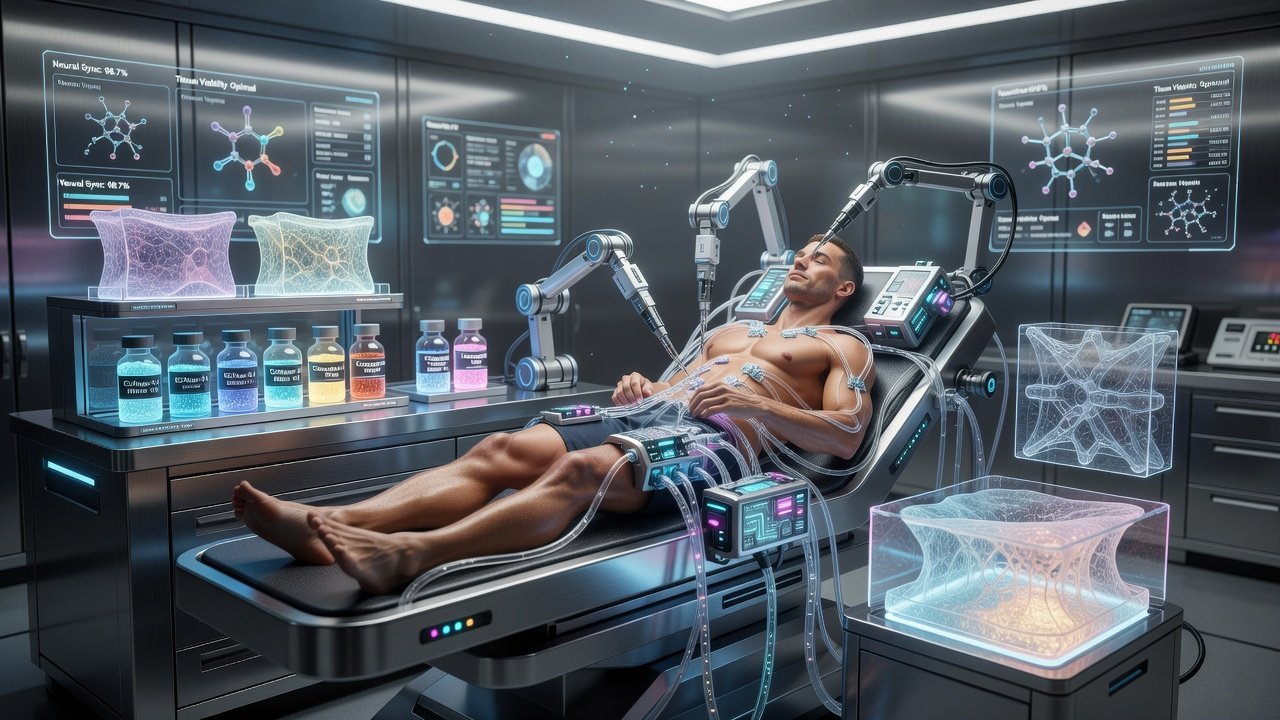
Introduction to ECM Remodeling in Biohacking
Extracellular matrix (ECM) remodeling represents a frontier in advanced biohacking, focusing on targeted interventions to enhance tissue resilience, accelerate recovery, and boost overall performance. In 2026, elite athletes are experimenting with enzymes and scaffolds to optimize this natural biological process beyond conventional training methods. This article dives deep into practical protocols, real-world applications, and measurable outcomes that can transform how high-level performers approach training and recovery.
The ECM serves as the foundational framework surrounding cells in muscles, tendons, and ligaments. By actively remodeling it, biohackers aim to create stronger, more adaptable tissues that withstand intense physical demands. This goes far beyond standard nutrition or rest, incorporating precise biochemical tools for superior results.
Understanding the Extracellular Matrix and Its Role in Performance
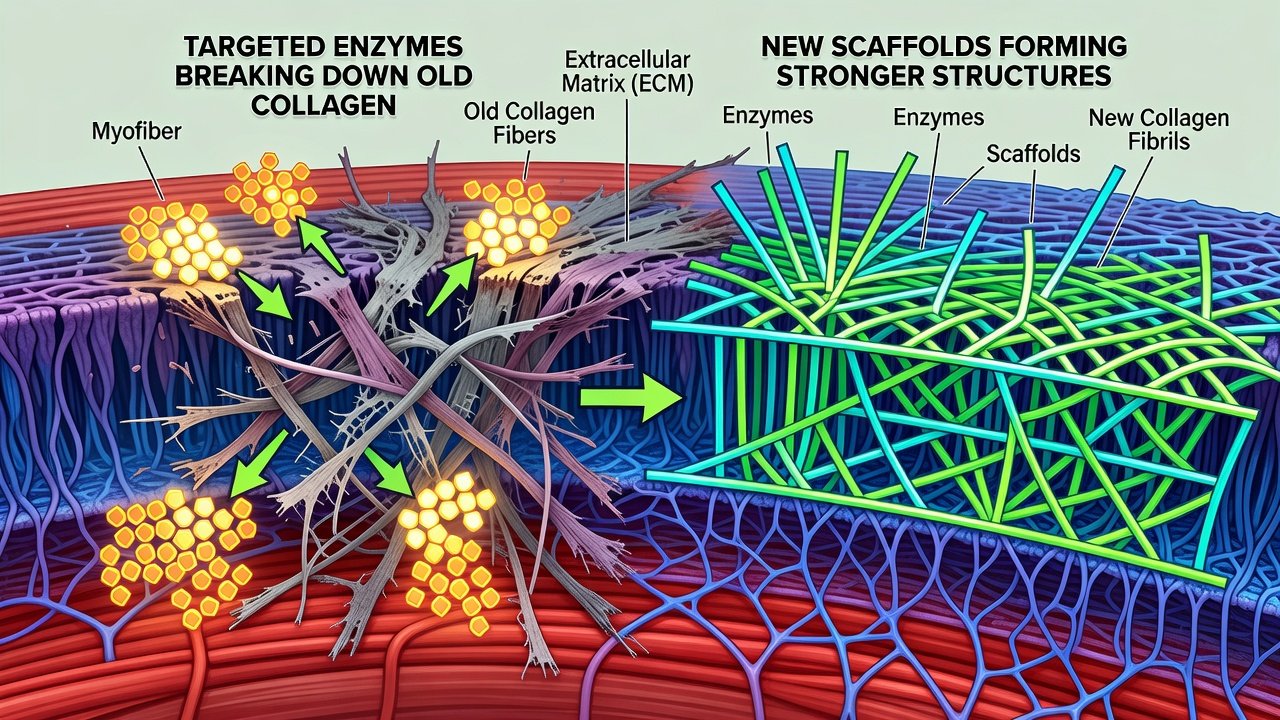
The ECM provides structural support to tissues and plays a critical role in muscle repair, tendon strength, and injury prevention. Biohackers target remodeling through specific enzymes like matrix metalloproteinases (MMPs) and engineered scaffolds to promote faster adaptation to high-intensity loads. Unlike basic stretching or nutrition, these methods allow precise modulation of collagen turnover and tissue elasticity.
Deeper exploration reveals that the ECM is dynamic, constantly breaking down and rebuilding in response to mechanical stress. In elite athletes, this process can be accelerated or optimized using targeted compounds that influence fibroblast activity and collagen cross-linking. Research from leading institutions highlights how controlled ECM changes can lead to superior strength gains. For example, NIH resources outline foundational studies on tissue dynamics that inform modern hacks, while NCBI publications provide detailed mechanisms of enzymatic action on connective tissues.
Understanding these interactions helps practitioners avoid common pitfalls, such as over-remodeling that leads to temporary weakness. Instead, balanced approaches focus on timed interventions aligned with training cycles.
Protocol Comparisons: ECM Remodeling vs. Standard Training Methods
Standard resistance training relies on progressive overload to stimulate muscle growth, but ECM-focused approaches add layers of biochemical precision. A typical ECM protocol might involve weekly enzyme infusions combined with scaffold applications, yielding faster recovery times compared to traditional periodization alone.
- Standard Training: Focuses on volume and intensity; recovery takes 48-72 hours post-session with emphasis on sleep and protein intake.
- ECM Remodeling: Integrates enzymatic support for collagen realignment, reducing downtime while enhancing tensile strength and reducing inflammation markers.
- Hybrid Approach: Combines both for optimal results, with athletes reporting superior power output in compound lifts and better long-term joint health.
These comparisons show ECM methods excel in injury-prone scenarios, offering a proactive edge over reactive recovery strategies commonly used in conventional programs.
Real-World Case Studies from High-Level Athletes
Professional cyclists and powerlifters have documented notable improvements through ECM remodeling. One case involved a marathon runner who integrated targeted MMP activators, achieving improved stride efficiency and zero soft-tissue injuries over a multi-month period. The athlete combined low-dose enzyme protocols with scaffold patches applied during off-days, resulting in enhanced tissue resilience during high-mileage training blocks.
Another example comes from NFL players who demonstrated enhanced ligament resilience through scaffold-assisted remodeling, allowing quicker returns from minor strains. These athletes tracked progress via force plate measurements and reported better explosive power in sprints and cuts. A third case study with competitive weightlifters showed consistent gains in overhead pressing strength after implementing a phased ECM approach over several training cycles.
Step-by-Step Implementation Guide
Implementing ECM remodeling requires careful planning and personalization. Follow these expanded phases for safe and effective application:
- Assessment Phase: Begin with comprehensive blood markers including inflammatory cytokines and imaging such as ultrasound or MRI to establish baseline ECM health. This step identifies areas of weakness like imbalanced collagen density.
- Enzyme Selection and Dosing: Choose compounds like collagenase variants or MMP modulators suited to your tissue goals. Start with conservative dosing under medical guidance, timing applications around training sessions to maximize repair windows.
- Scaffold Application: Apply bio-compatible materials during low-intensity periods, often using topical or injectable forms that support new matrix formation. Monitor for any signs of irritation.
- Monitoring and Data Integration: Track progress with wearable sensors for real-time feedback on heart rate variability, sleep quality, and movement patterns. Adjust based on weekly reviews.
- Adjustment and Cycling: Tweak dosages and timing every two weeks according to recovery metrics, incorporating deload periods to prevent over-stimulation of remodeling processes.
Always consult specialists before starting, as individual responses vary widely based on genetics, training history, and current health status. Many athletes layer these steps onto existing routines by replacing one recovery day with a dedicated ECM session.
Integration with Performance Tracking Tools
Pair ECM protocols with advanced wearables from brands like WHOOP or Oura for data-driven adjustments. These tools monitor heart rate variability and sleep quality, correlating directly with remodeling success. Mayo Clinic guidelines emphasize data integration for safe optimization, helping users visualize trends in tissue recovery over time.
Measurable Gains in Strength and Injury Prevention
Athletes report notable strength increases in key lifts alongside reduced injury rates when ECM remodeling is applied consistently. The approach strengthens connective tissues, providing a buffer against overuse common in elite sports. Longitudinal tracking shows sustained benefits when combined with nutrition rich in collagen precursors and adequate hydration. Real examples include improved squat depth stability and faster tendon recovery post-heavy sessions.
Safety Considerations and Best Practices
While promising, ECM interventions carry risks like inflammation or uneven tissue remodeling if misapplied. Start with micro-doses, prioritize medical supervision, and avoid combining with untested supplements. Key best practices include maintaining detailed logs of all interventions, scheduling regular check-ups, and listening to bodily signals such as persistent soreness. Future advancements in 2026 may include AI-personalized scaffolds for even safer application, potentially reducing variability in outcomes.
FAQ on Practical Application and Future Advancements
Q: How soon can beginners see results? A: Most notice improved recovery within 4-6 weeks with consistent protocols, though full tissue adaptations may take longer depending on baseline fitness.
Q: Are these techniques legal in competitive sports? A: Check with governing bodies, as regulations evolve rapidly and some enzymatic compounds may fall under prohibited lists.
Q: What 2026 advancements are on the horizon? A: Expect refined gene-edited enzymes and personalized 3D-printed scaffolds for targeted remodeling, along with better integration into wearable ecosystems.
Q: How does it integrate with existing routines? A: Layer onto current training by replacing one recovery day with an ECM session and monitoring for synergistic effects with strength work.
Q: What common mistakes should be avoided? A: Over-dosing enzymes, ignoring rest periods, and skipping baseline assessments are frequent errors that can hinder progress or cause setbacks.
Conclusion
ECM remodeling offers powerful tools for 2026 elite performance when implemented thoughtfully. By combining scientific understanding with practical protocols, athletes can achieve enhanced resilience and recovery while minimizing risks through careful monitoring and professional guidance.
No comments yet. Be the first!