 Slow Bio Hack
Introduction to Proteostasis Engineering in 2026
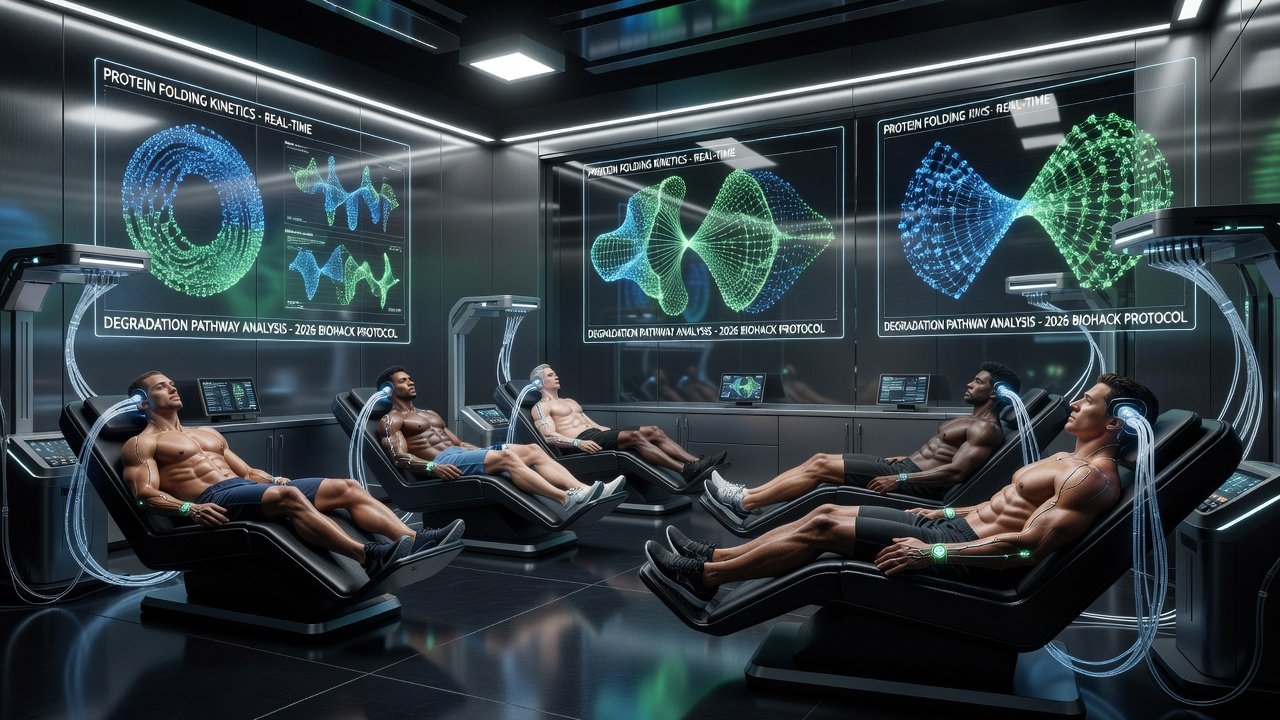
Proteostasis engineering stands as a transformative frontier in advanced biohacking, centered on refining the intricate cellular machinery that governs protein synthesis, folding, quality control, and degradation. As of 2026, elite athletes and performance-focused individuals are leveraging these strategies to secure quantifiable advantages in post-training recovery, sustained muscle integrity, and extended healthspan. The discipline targets the proteostasis network, a sophisticated system that prevents toxic protein accumulation which can arise from intense physical demands and chronological aging. Through deliberate modulation, practitioners reduce cellular stress and enhance resilience, translating into superior endurance, strength retention, and reduced downtime between high-intensity sessions.
This methodology diverges from generic supplementation by emphasizing precision at the molecular level. It integrates insights from molecular biology to create tailored interventions that align with the physiological realities of professional competition and rigorous training regimens. Athletes report enhanced adaptation to overload stimuli, making proteostasis engineering a cornerstone for those seeking marginal gains that compound over competitive seasons.
Core Mechanisms: Ubiquitin-Proteasome Modulation
The ubiquitin-proteasome system functions as the cell's primary disposal route for misfolded or superfluous proteins. Engineering this pathway involves upregulating specific ubiquitin ligases and proteasome subunits to accelerate clearance of damaged proteins that hinder muscle repair and metabolic efficiency. Detailed studies available through the National Center for Biotechnology Information demonstrate how controlled activation improves protein turnover rates without compromising necessary structural proteins.
Implementation often incorporates peptides or small molecules that selectively boost E3 ligase activity. Monitoring occurs through repeated blood assays measuring 20S proteasome activity and polyubiquitin chain concentrations. A typical cycle spans eight to twelve weeks, with adjustments based on individual proteomic profiles obtained via mass spectrometry. This targeted approach minimizes off-target effects while maximizing recovery velocity in power and endurance athletes alike.
Selective Autophagy Activators and Molecular Chaperone Stacks
Autophagy pathways complement the ubiquitin-proteasome system by engulfing larger aggregates and dysfunctional organelles. Selective activators stimulate chaperone-mediated autophagy and mitophagy, preserving mitochondrial function essential for sustained energy output. Molecular chaperones such as HSP70 and HSP90 are co-administered to facilitate correct protein conformation during periods of metabolic stress. 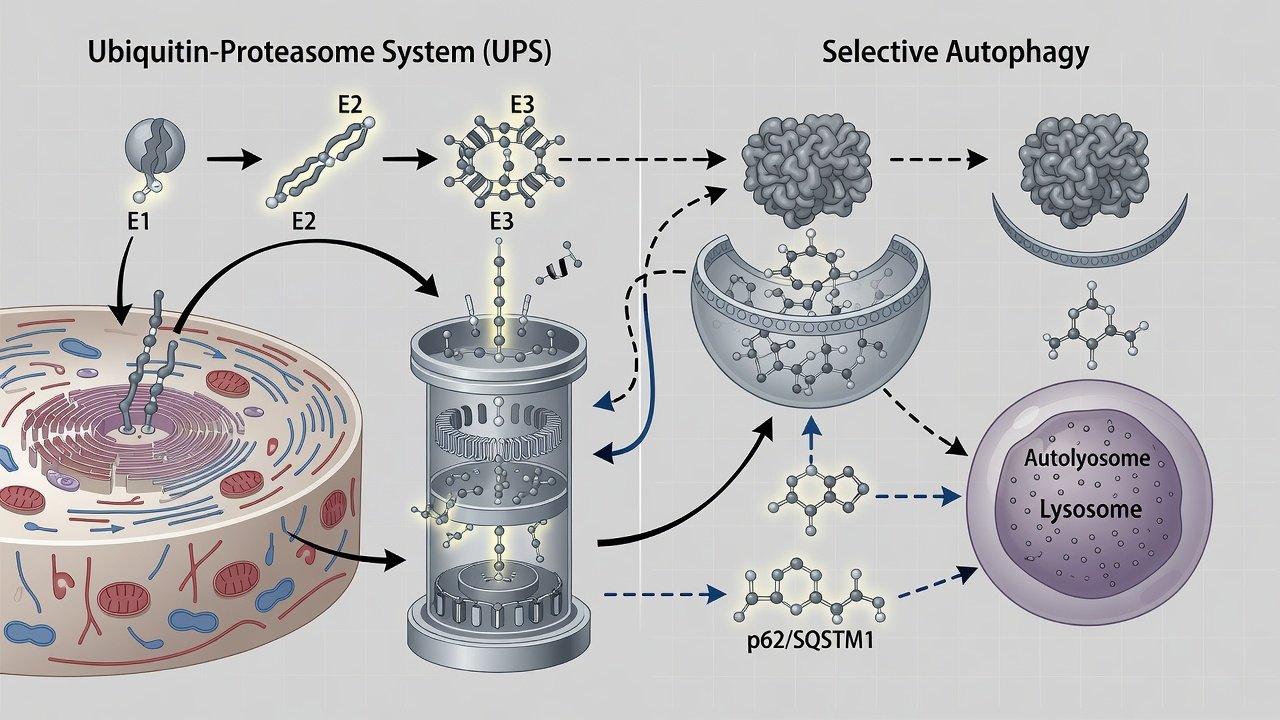
Protocols generally commence with a four-week ramp-up using low-dose activators, progressing to pulsed higher-intensity phases synchronized with training blocks. Biomarker panels evaluate autophagic flux via LC3 lipidation ratios and p62 turnover, alongside chaperone expression levels. Integration with intermittent fasting windows amplifies results by aligning nutrient deprivation signals with cellular cleanup processes, yielding improved muscle maintenance during caloric restriction phases common in weight-class sports.
Comparisons to Existing Senolytic Approaches
Senolytic compounds primarily eliminate senescent cells that secrete inflammatory factors, yet they operate downstream from proteostasis failures. Proteostasis engineering addresses root causes by preventing aggregate formation and ensuring proper folding before degradation becomes necessary. When compared directly, senolytics excel at lowering chronic inflammation markers, while proteostasis interventions deliver faster improvements in contractile protein quality and exercise-induced damage repair.
Many elite protocols now layer both modalities: proteostasis support during peak training weeks followed by senolytic pulses in recovery periods. This combination mitigates the limitations of each method alone, producing additive effects on longevity markers such as epigenetic age clocks and inflammatory cytokine profiles. Decision factors include baseline senescence burden versus protein aggregation load, determined through initial diagnostic testing.
Practical Dosing Timelines and Biomarker Tracking Steps
Effective deployment requires structured timelines and objective feedback loops. Begin with comprehensive baseline testing covering oxidative stress, inflammatory cytokines, and proteostatic capacity. A representative twelve-week progression includes:
- Weeks 1-4: Daily chaperone augmentation paired with sleep optimization to stabilize folding machinery
- Weeks 5-8: Introduction of proteasome modulators during high-volume training blocks
- Weeks 9-12: Cycling of autophagy activators with strategic refeeding days to sustain metabolic flexibility
Tracking occurs at two-week intervals using standardized lab panels. Key metrics encompass proteasome peptidase activity, autophagosome formation indicators, and serum levels of heat shock proteins. Deviations prompt immediate protocol recalibration, such as extending maintenance phases or incorporating supportive cofactors like magnesium and NAD+ precursors. Documentation of subjective recovery scores alongside objective data ensures holistic evaluation.
Case Studies from High-Level Performers
Case Study 1 involves a professional road cyclist who incorporated a chaperone-dominant stack over an eight-week preparatory block. Prior to intervention, stage recovery averaged 48 hours with elevated creatine kinase levels. Post-protocol measurements revealed a 25 percent reduction in recovery time, accompanied by stabilized mitochondrial membrane potential and decreased protein carbonylation on repeat biopsies. Training logs documented consistent power output increases without corresponding rises in perceived exertion.
Case Study 2 features an Olympic-level weightlifter managing body composition during a prolonged cut. Selective autophagy activation combined with precise nutrient timing preserved lean mass while accelerating clearance of exercise-damaged myofibrillar proteins. Over six months, soreness duration halved, and dual-energy X-ray absorptiometry scans confirmed maintained muscle cross-sectional area despite caloric deficits. Biomarker trends showed sustained elevation in autophagic markers without adverse effects on hormonal axes.
Integration with Other Elite Optimization Protocols
Proteostasis engineering synergizes with established modalities including circadian-aligned sleep architecture, periodized nutrition, and real-time load monitoring via wearable sensors. Cross-referencing emerging cellular research from Nature supports stacking decisions that avoid interference, such as spacing antioxidant intake away from autophagy pulses. Coordination with hormone optimization and mitochondrial support further amplifies outcomes while preserving protocol safety margins.
Potential Challenges and Mistakes to Avoid
Common pitfalls include overly aggressive dosing that depletes functional protein pools, leading to performance regression. Another frequent error involves neglecting individual genetic polymorphisms affecting autophagy efficiency, which can blunt expected benefits. Practitioners should also avoid concurrent high-dose antioxidants during active autophagy phases, as these may suppress beneficial signaling. Regular medical oversight and phased introductions minimize these risks and support sustainable long-term application.
FAQ on Risks, Sourcing, and Integration
What primary risks accompany these interventions? Excessive pathway activation may accelerate loss of essential proteins; continuous laboratory surveillance is mandatory under qualified supervision.
How should compounds be sourced responsibly? Rely exclusively on suppliers providing third-party certificates of analysis aligned with standards from the U.S. Food and Drug Administration.
Does proteostasis engineering integrate safely with hormone replacement protocols? Staggered initiation allows assessment of interactions and individualized titration.
Are there specific contraindications for certain athlete populations? Individuals with preexisting renal impairment require additional clearance testing before commencing.
What role does genetic testing play in personalization? Variants in autophagy-related genes can guide activator selection and dosing intensity for optimal response.
Conclusion
Proteostasis engineering in 2026 equips elite performers with a refined cellular toolkit that directly enhances recovery kinetics, muscle preservation, and longevity trajectories when executed with precision and ongoing biomarker guidance.

No comments yet. Be the first!