 Slow Bio Hack

Introduction: Navigating Sleep Disruption with Wearable Tech
New parents face profound sleep challenges in the early months of parenthood, often juggling fragmented rest with constant infant needs. In 2026, devices like Oura Ring and Whoop offer powerful tools to monitor recovery metrics such as heart rate variability (HRV) and readiness scores, helping users balance personal health with caregiving routines. This guide provides step-by-step strategies for integrating these wearables into shift-like sleep patterns, comparing device comfort, and syncing data with baby tracking apps for measurable improvements in daily function.
Understanding how these tools interpret disrupted sleep allows parents to make informed adjustments, reducing burnout and supporting long-term well-being. Real-world examples from parents demonstrate practical applications that go beyond basic tracking, showing how consistent data review leads to better energy levels and mood stability during the demanding newborn phase.
Key Metrics: HRV Monitoring and Readiness Scores
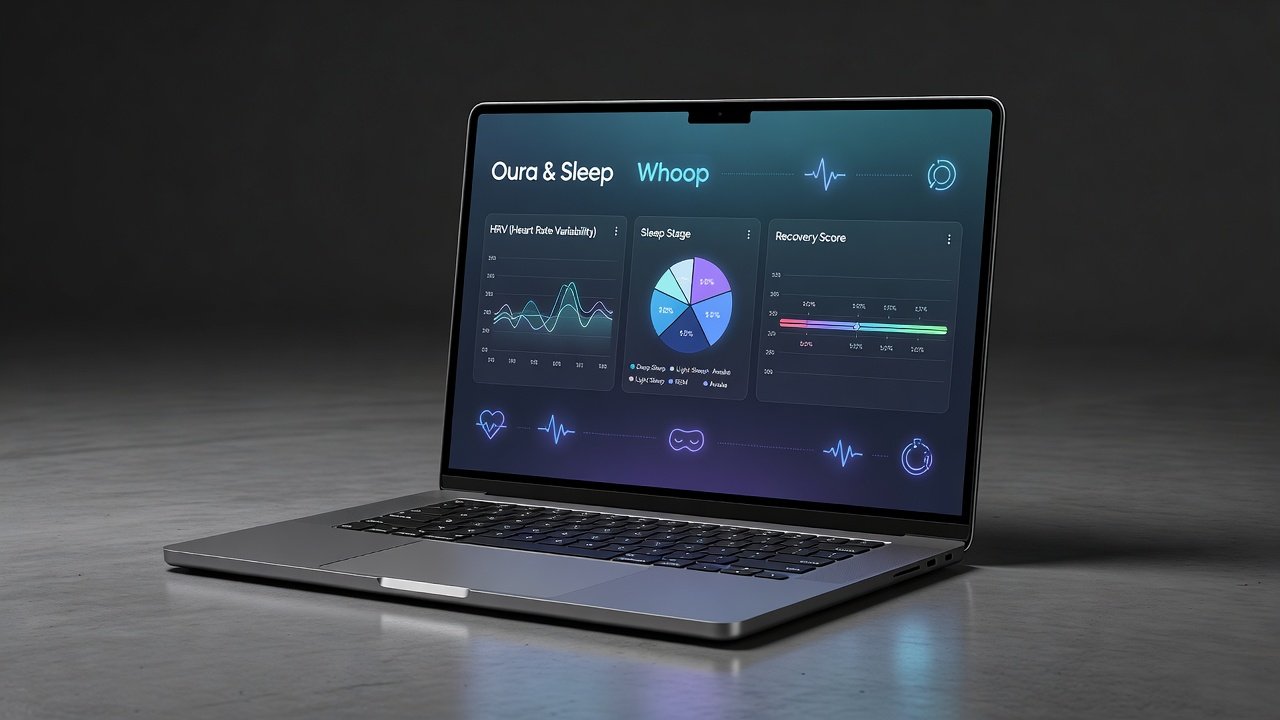
HRV measures the variation in time between heartbeats, serving as a key indicator of autonomic nervous system recovery. Both Oura and Whoop excel at capturing nightly HRV trends, which new parents can use to assess how nighttime feeds impact overall resilience. Readiness scores in Oura combine HRV, resting heart rate, and sleep data into a daily percentage, while Whoop provides a recovery score based on similar inputs plus strain levels from daily activities.
For parents, a drop in HRV after interrupted nights signals the need for micro-naps or adjusted feeding schedules. Monitoring these metrics consistently helps identify patterns, such as improved recovery when alternating shifts with a partner. Parents should aim to review trends weekly rather than daily to avoid overreacting to single poor nights. In practice, logging feed times alongside HRV readings reveals correlations, such as higher variability after longer daytime rest blocks. This data-driven approach turns subjective feelings of tiredness into actionable insights, allowing for proactive changes like earlier bedtime on low-readiness days.
Setting Up Shift-Like Sleep Patterns
Creating structured sleep shifts requires syncing wearable data with household routines. Start by establishing baseline metrics over one week of typical newborn sleep cycles. Use Oura's sleep staging insights or Whoop's sleep performance score to pinpoint optimal rest windows, often aligning with infant REM periods for deeper recovery.
- Log infant sleep in a shared app while wearing your device overnight to capture accurate baselines.
- Review daily readiness or recovery scores each morning to decide on nap opportunities or task delegation.
- Adjust bedtime by 30-60 minutes based on trends, prioritizing at least four hours of consolidated sleep when possible.
- Incorporate buffer periods for wind-down routines that devices can detect as improved sleep quality.
- Reassess every three days and tweak based on cumulative recovery data to prevent overtraining effects from chronic partial sleep deprivation.
This approach minimizes cumulative sleep debt while maintaining parental alertness during feeds. Troubleshooting common issues includes recalibrating devices if motion artifacts from rocking a baby appear in the data, ensuring cleaner readings for better decision-making.
Ring vs Band: Comfort During Nighttime Feeds
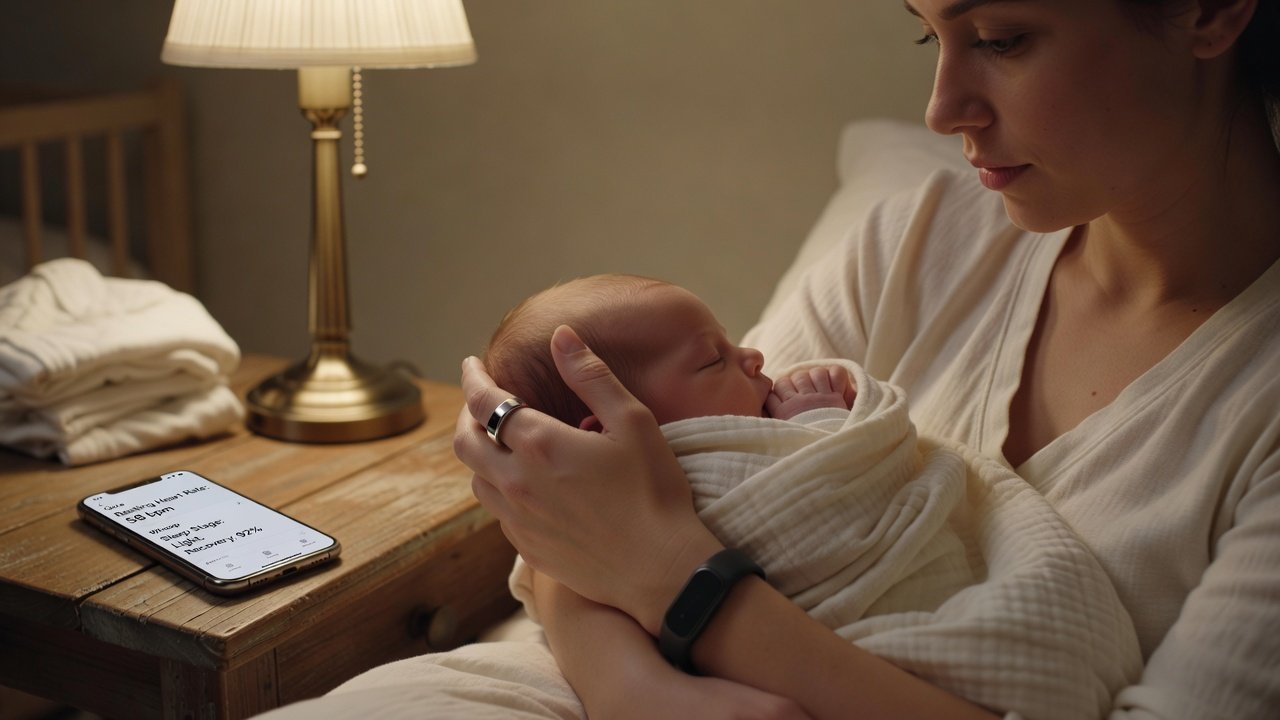
Comfort plays a critical role in consistent data collection. Oura's ring form factor offers a non-intrusive option that rarely interferes with holding or feeding a baby, though some parents note minor sizing adjustments needed for swelling in the first weeks postpartum. Whoop's band, worn on the wrist or bicep, provides flexibility for active movements but may require repositioning during feeds to avoid discomfort from straps pressing against skin.
Many users report better adherence with Oura for extended wear, as the ring stays secure without straps. Testing both during a typical night helps determine personal preference for seamless integration into routines. Expanded pros and cons include Oura's waterproof design suiting messy feeds versus Whoop's customizable bands for different activity levels. Parents often find the bicep placement on Whoop reduces interference during side-lying nursing positions.
Integrating Wearable Data with Baby Tracking Apps
Actionable checklists streamline data fusion for better decision-making and include these detailed steps with explanations:
- Export Oura or Whoop sleep summaries weekly and cross-reference with apps like Baby Tracker or Huckleberry to spot feeding-sleep correlations that influence next-day scores.
- Set alerts for low readiness scores to prompt earlier handoffs during shifts, preventing cumulative fatigue that affects milk supply or emotional regulation.
- Track correlations between feed times and next-day HRV to refine schedules, using color-coded notes in shared spreadsheets for quick partner reviews.
- Share anonymized reports with a pediatrician for holistic advice on whether sleep patterns align with developmental milestones like growth spurts.
- Automate reminders via phone integrations to log subjective energy levels alongside device metrics for a fuller picture of recovery.
This integration turns raw numbers into personalized parenting strategies that evolve with the baby's changing needs over the first six months.
Real-World Parent Case Studies
One couple used Oura to alternate four-hour sleep blocks, noting a 15% improvement in average readiness after two weeks by aligning rests with the infant's longest sleep stretch. Another parent switched to Whoop's bicep band for easier nighttime access, achieving steadier HRV readings despite frequent wakings and reporting reduced anxiety from visible recovery trends. A third family combined both devices across partners, cross-validating data during cluster feeding periods to maintain balanced loads and avoid one parent burning out. These examples highlight how tailored setups enhance recovery without sacrificing care quality, with one noting fewer mood dips after implementing weekly metric reviews.
Common Mistakes to Avoid and Advanced 2026 Tips
Parents often overlook device calibration after lifestyle changes like increased caffeine intake, which can skew HRV. Another pitfall is ignoring strain metrics from Whoop during baby-carrying activities. In 2026, leverage firmware updates that improve nap detection for fragmented sleep, and pair devices with smart home integrations for automated light dimming based on readiness scores. Experiment with breathing exercises flagged by Oura to boost post-feed recovery within minutes.
FAQ: Addressing Accuracy Concerns with Fragmented Sleep
How accurate are these devices during broken sleep? Both brands validate well against polysomnography for overall trends, though short naps may show slight variances. Focus on weekly averages rather than single nights for reliable patterns.
Can HRV data be skewed by stress? Yes, but combining it with readiness scores provides context for parental fatigue management and helps distinguish physical from emotional exhaustion.
Should I remove the device for feeds? Generally no, as continuous tracking yields the best insights into real-world recovery.
What if my baby has reflux affecting sleep data? Note these events separately and adjust expectations for lower scores during such phases, using trends to guide when to seek additional support.
How do I handle growth spurts that increase nighttime wakings? Temporarily lower activity goals in the apps and prioritize recovery-focused metrics to maintain baseline health.
Conclusion: Building Sustainable Habits
Leveraging Oura and Whoop empowers new parents to reclaim control over recovery amid chaos. By focusing on HRV, readiness, and integrated routines, families can foster better sleep hygiene that supports both infant and parental health. Start small with metric baselines and build from there for lasting results. For broader sleep guidelines, consult resources like the Sleep Foundation, CDC, and Mayo Clinic.
No comments yet. Be the first!