 Slow Bio Hack
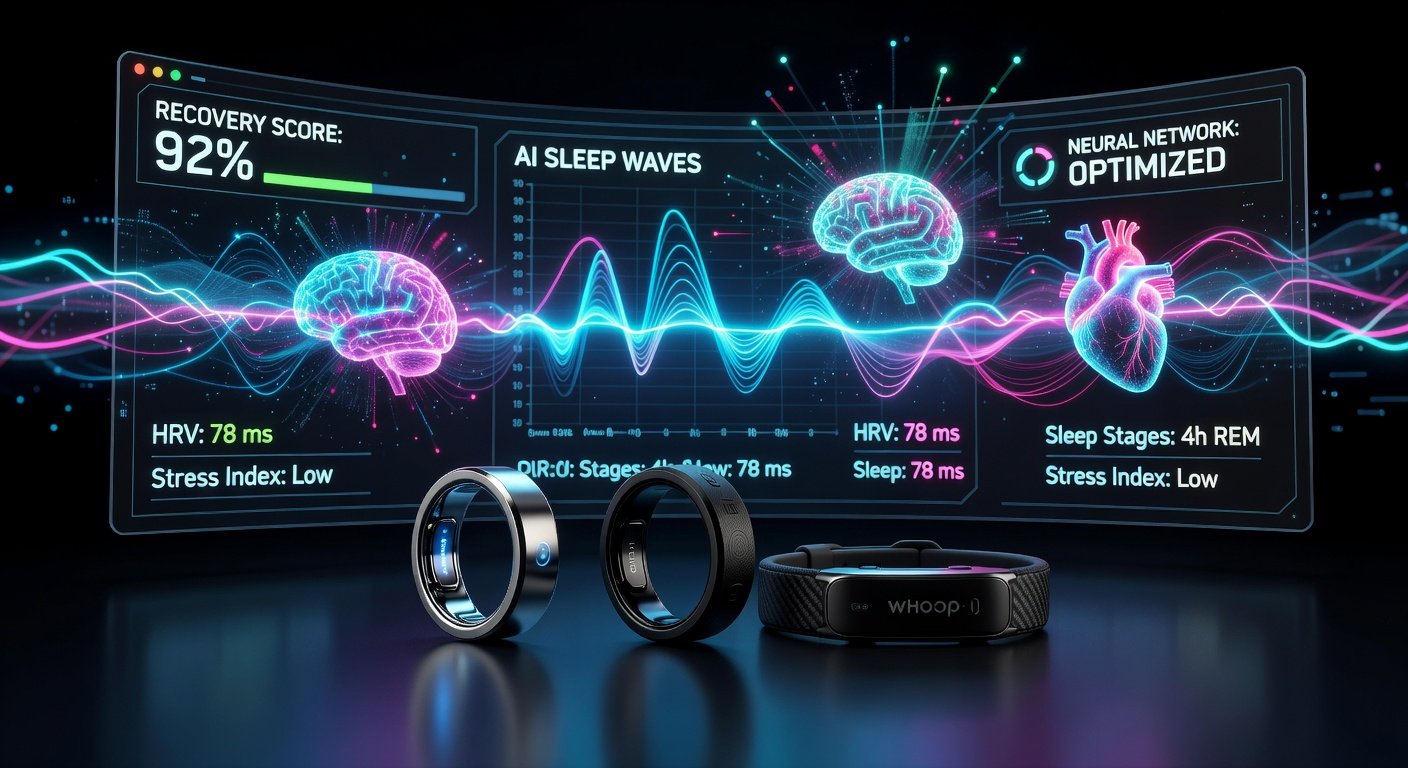
Revolutionizing Wellness: AI in Oura and Whoop 2026 Models
In the fast-evolving world of wearable tech, Oura and Whoop are pushing boundaries with their 2026 models. These devices integrate cutting-edge AI to deliver unprecedented sleep tracking, fitness insights, predictive recovery analytics, personalized sleep coaching, and holistic health recommendations. Whether you're an athlete, biohacker, or everyday optimizer, these advancements turn raw data into actionable intelligence for peak performance.
Oura Ring Gen 5 and Whoop 5.0 embody years of machine learning refinement, analyzing biometrics like heart rate variability (HRV), respiratory rate, blood oxygen, and movement patterns. The result? AI that doesn't just track— it predicts, coaches, and prescribes.
Oura Ring 2026: AI-Driven Sleep Mastery
Oura's 2026 iteration features AI Sleep Guardian, an evolved neural network that scores sleep stages with 98% accuracy, rivaling clinical polysomnography. It uses multimodal data fusion from skin temperature, electrodermal activity, and gyroscope inputs to detect micro-awakenings invisible to older models.
Key upgrade: Predictive Recovery Analytics. By modeling your circadian rhythm against historical data and environmental factors (like weather via API integration), Oura forecasts recovery scores 24-48 hours ahead. Low predictions trigger nudges like "Delay HIIT; opt for yoga tomorrow."
Personalized Sleep Coaching
The AI coach evolves with you, creating bespoke plans. Struggling with deep sleep? It might recommend magnesium timing or blue-light protocols, backed by your unique chronotype. Integration with smart home devices automates bedroom optimization—dimming lights or adjusting thermostat at optimal times.
Whoop 5.0 2026: Strain, Recovery, and Beyond
Whoop doubles down on athletic performance with AI Strain Optimizer. This system predicts overtraining risks by simulating workout impacts on recovery debt. Using advanced NLP on user journal entries, it correlates mood, nutrition logs, and biometrics for nuanced insights.
Sleep tracking shines via Dynamic Sleep Need AI, which calculates ideal sleep duration daily based on prior strain. Exceeded it? Whoop's haptic alerts gently wake you during light sleep phases, boosting next-day readiness.
Comparative Edge: Predictive Recovery Analytics
Both devices excel in recovery prediction, but differ in focus. Oura emphasizes holistic wellness, factoring stress and illness probability via anomaly detection in HRV trends. Whoop prioritizes performance, linking recovery to specific training loads.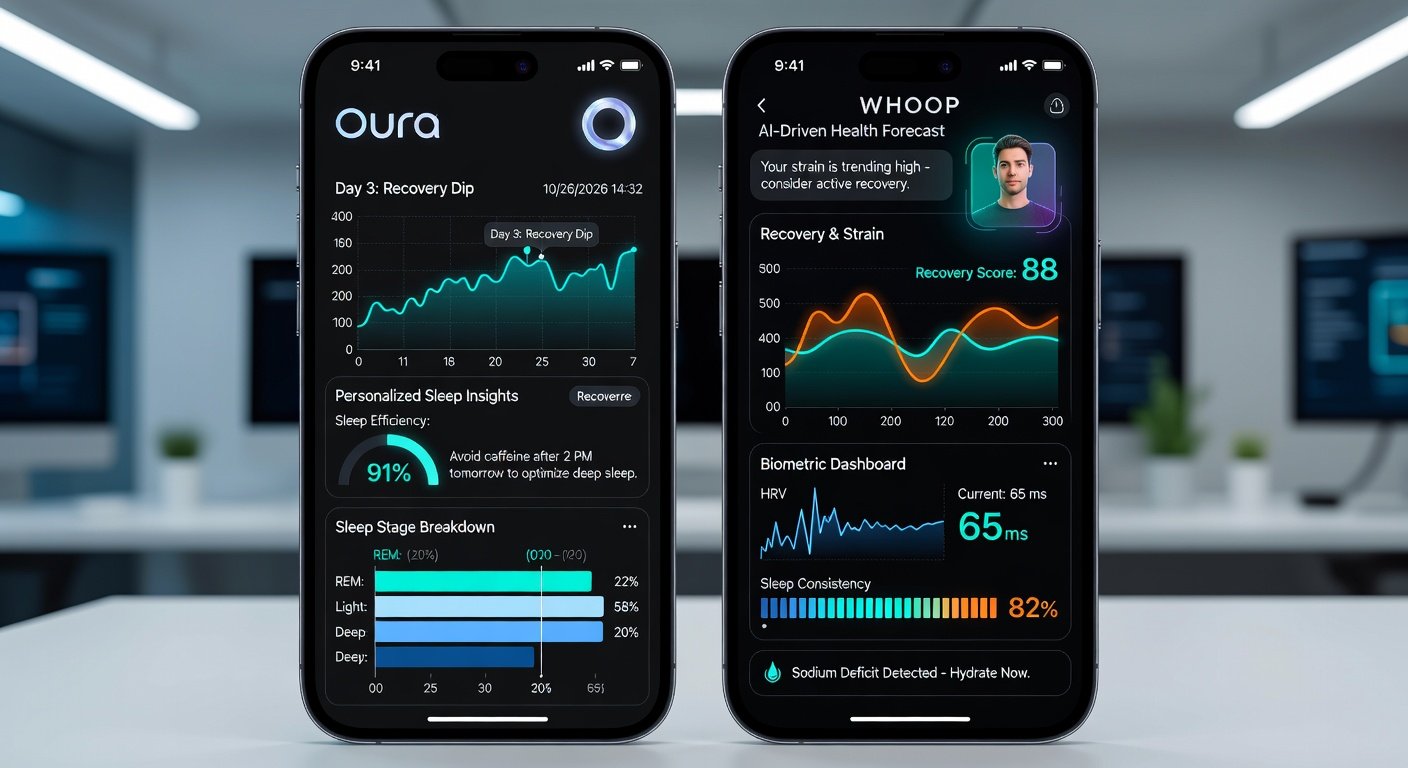
For deeper science, explore NHLBI's sleep research, which underpins these AI models' validation against gold-standard metrics.
Personalized Sleep Coaching in Action
Oura's coach uses generative AI to craft narratives: "Your REM dipped due to late caffeine—shift to 2 PM cutoff." Whoop adds gamification, awarding badges for consistency and suggesting micro-habits like breathwork for faster sleep onset.
Integrated Health Recommendations
2026 models go beyond silos. Oura's Health Nexus AI cross-references sleep with cycle tracking (for women) and metabolic health, recommending fasting windows or supplements. Whoop's ecosystem integrates with apps like MyFitnessPal, auto-adjusting macros based on recovery forecasts.
Both flag early health signals: Oura detects inflammation spikes; Whoop monitors respiratory infections pre-symptoms. This proactive stance could prevent burnout or illness, saving athletes seasons.
Practical Tips: Activating and Interpreting AI Data
- Setup for Success: On Oura, enable AI features in the app under "Labs" > "Advanced Insights." For Whoop, opt into "AI Coach" during onboarding and link wearables promptly.
- Daily Rituals: Charge consistently—Oura's ring lasts 7 days, Whoop's band a month. Wear 24/7 for baseline accuracy.
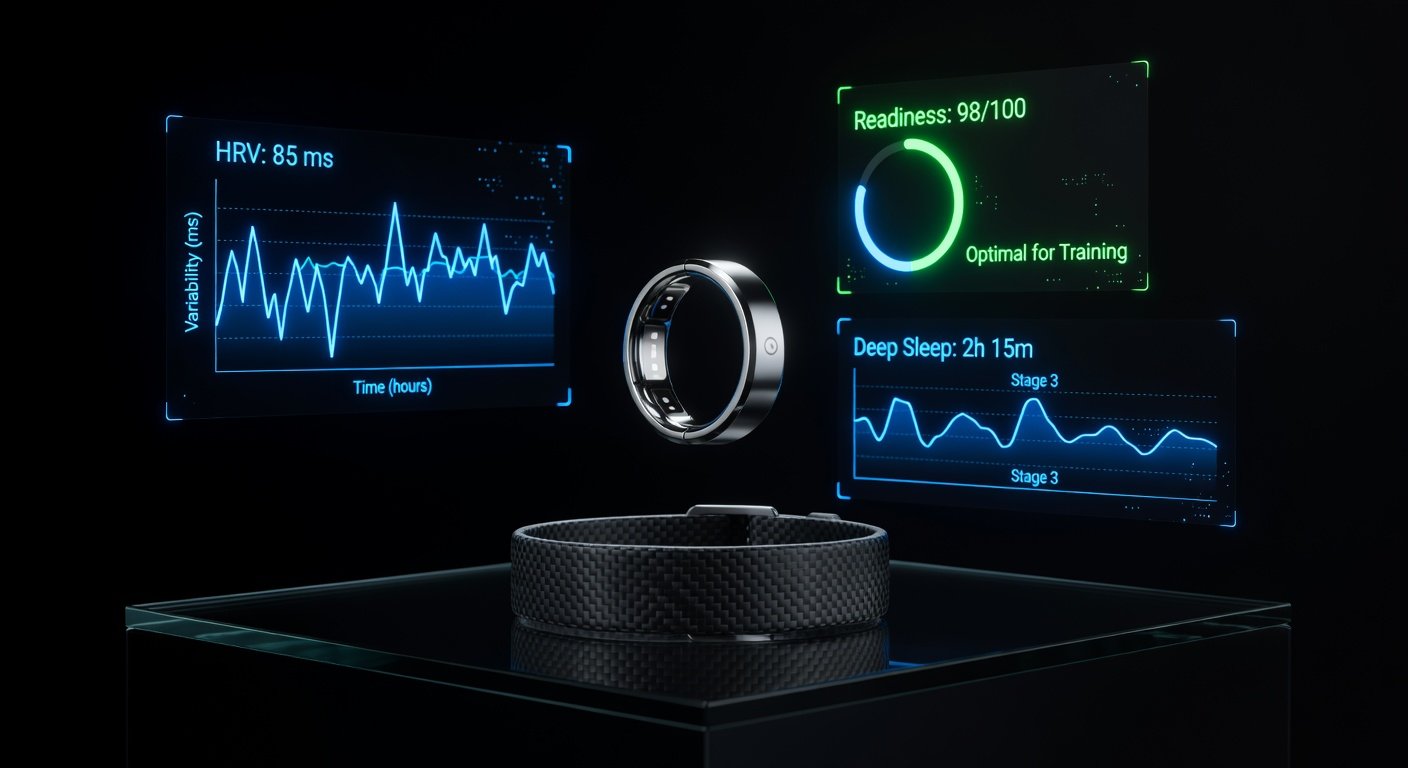
- Interpreting Scores: Oura Readiness (0-100): 85+ = green light for intensity. Whoop Recovery (green/yellow/red): Green for max effort; yellow for moderate.
Customization Hacks
- Log lifestyle factors (alcohol, travel) to refine AI models—expect 2-4 weeks for personalization.
- Use voice queries: "Oura, why low recovery?" for instant breakdowns.
- Export data to tools like TrainingPeaks for pro analysis.
- Combine with blood tests; input HbA1c or ferritin to enhance metabolic predictions.
Pro Tip: A/B test recommendations. Follow AI sleep coaching for a week, track metrics, then tweak—e.g., if evening meditation boosts HRV more than suggested walks, the AI adapts.
Limitations and Future Outlook
No device is perfect. AI accuracy dips with tattoos or irregular schedules, so calibrate via manual overrides. Privacy-focused users appreciate Oura's on-device processing and Whoop's opt-out data sharing.
Looking ahead, expect multimodal AI fusing wearables with blood glucose monitors or EEG headbands. Visit Oura's site or Whoop's platform for firmware updates and beta access.
Maximize Your Edge Today
Oura and Whoop 2026 aren't just trackers—they're AI companions elevating human potential. Start interpreting those insights, apply the tips, and watch recovery soar. Your optimal self awaits.
No comments yet. Be the first!