 Slow Bio Hack
Introduction to Advanced Sleep Tracking
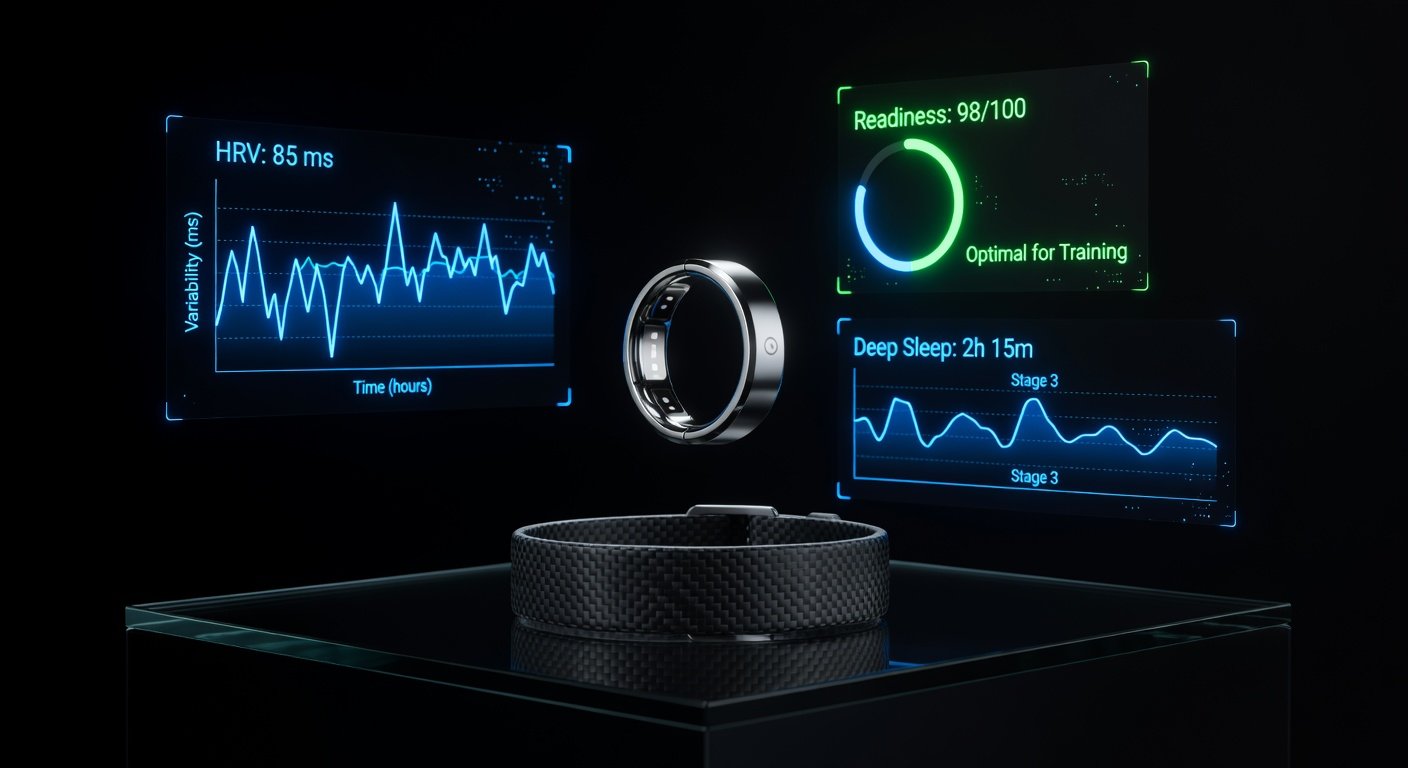
Sleep is the ultimate recovery tool, and wearables like Oura Ring and Whoop strap have revolutionized how we quantify it. But raw data means little without interpretation. This guide dives deep into metrics like Heart Rate Variability (HRV), Readiness Scores, and deep sleep stages. We'll cover anticipated 2026 algorithm updates, debunk common pitfalls, and provide actionable strategies backed by step-by-step examples and real user case studies.
Whether you're an athlete chasing PRs or a biohacker optimizing longevity, mastering these insights can transform your routine. Let's break it down.
Key Sleep Metrics Explained
Oura and Whoop excel at multi-faceted sleep analysis, but their scores overlap and differ in nuance.
Heart Rate Variability (HRV)
HRV measures the variation in time between heartbeats, reflecting autonomic nervous system balance. Higher HRV signals parasympathetic dominance—better recovery and stress resilience. Oura reports HRV as an average in milliseconds (ms) during sleep; Whoop uses a normalized score (0-100).
- Optimal ranges: 50-100ms (Oura), 60+ (Whoop).
- What it means: Low HRV? Chronic stress, overtraining, or poor sleep.
Pro tip: Track trends over weeks, not single nights.
Readiness and Recovery Scores
Oura's Readiness Score (0-100) aggregates HRV, resting heart rate (RHR), temperature, and sleep efficiency. Whoop's Recovery score focuses heavily on HRV and RHR, greenlighting hard training days.
- 80+ (Oura/Whoop): Prime for performance.
- Below 70: Prioritize rest.
Deep Sleep Stages
Deep sleep (Stage 3 NREM) is where growth hormone peaks and tissue repair happens. Oura aims for 1.5-2 hours/night; Whoop tracks it via strain/recovery interplay. Less than 15-20% of total sleep? You're missing recovery gold.
Oura vs. Whoop: Metric Deep Dive
Oura emphasizes holistic wellness with ring-based comfort; Whoop prioritizes athletic strain. Both use PPG sensors, but algorithms differ:
| Metric | Oura | Whoop |
|---|---|---|
| HRV | Sleep average (ms) | Normalized score |
| Readiness | Temp + activity factored | HRV/RHR dominant |
| Deep Sleep | % of total sleep | Minutes + quality |
For precise definitions, check the official Oura and Whoop sites.
2026 Algorithm Updates: What's Coming
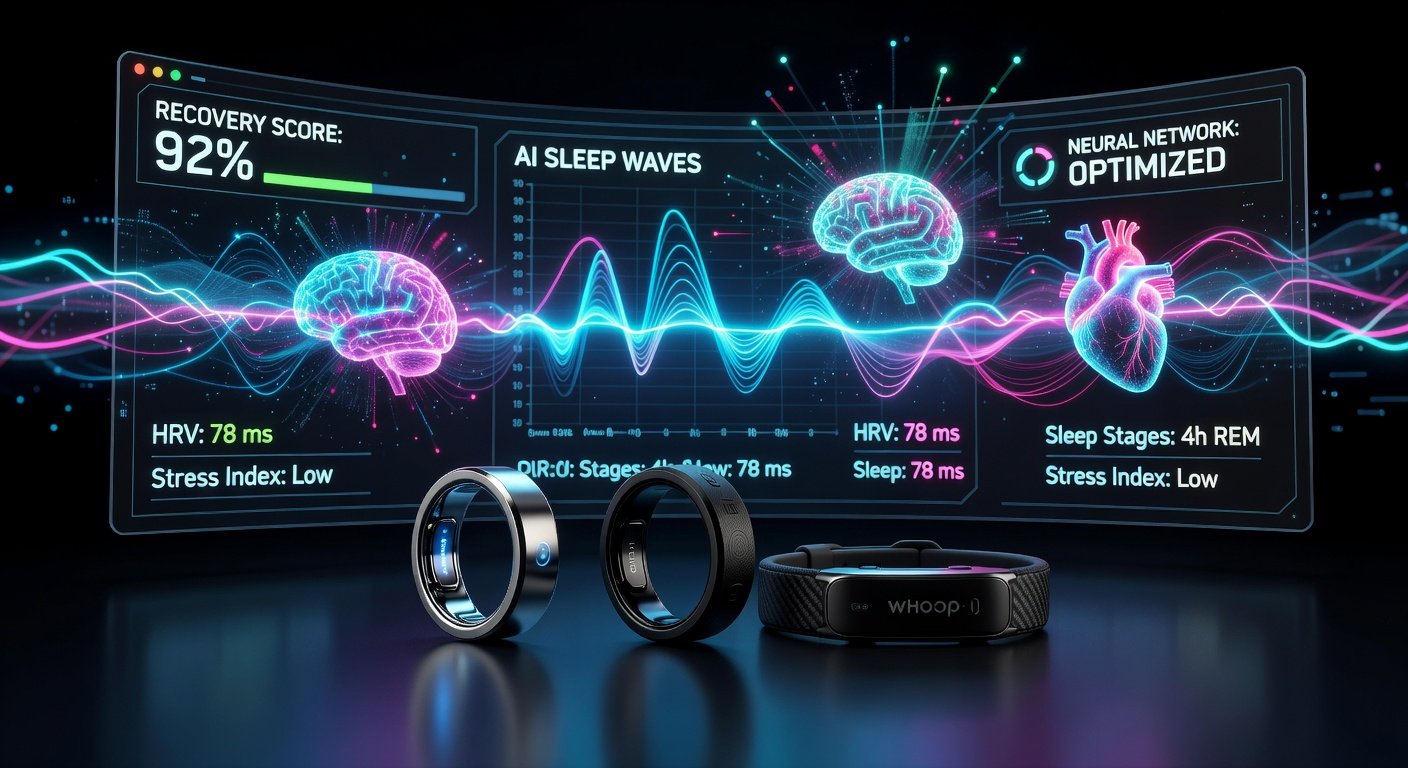
By 2026, expect AI-driven refinements. Oura's Gen4 ring rumors include neural network HRV modeling for personalized baselines, factoring genetics via app integrations. Whoop 5.0 may incorporate blood oxygen trends and circadian alignment scores, per industry leaks.
Key changes:
- Dynamic baselines: AI adjusts for age, sex, lifestyle.
- Predictive recovery: 24-hour forecasts using ML.
- Stage accuracy boost: 95%+ via advanced accelerometers.
These updates will reduce noise, making metrics 20-30% more actionable. Stay tuned via Sleep Foundation resources.
Common Misinterpretations to Avoid
Don't chase perfection—context is king.
- HRV dips aren't always bad: Post-workout lows are normal; persistent trends signal issues.
- Readiness ignores lifestyle: A 90 score post-jetlag? Question it.
- Deep sleep obsession: Total sleep > stage chasing. 7-9 hours trumps 3 hours of deep.
- Single-night bias: Use 7-day averages.
Misreading leads to overtraining or unnecessary supps. Always correlate with subjective energy.
Step-by-Step Analysis: Real Data Breakdown
Let's analyze a sample night. Imagine your Oura app shows: HRV 45ms (low), Readiness 68, Deep Sleep 1.2hrs (18%). Whoop: Recovery 52 (yellow), Deep 75min.
Step 1: Check trends. Week average HRV 62ms? Anomaly—likely late caffeine.
Step 2: Cross-reference. Elevated RHR? Infection brewing.
Step 3: Contextualize. Post-marathon? Expected. Desk day? Lifestyle fix needed.
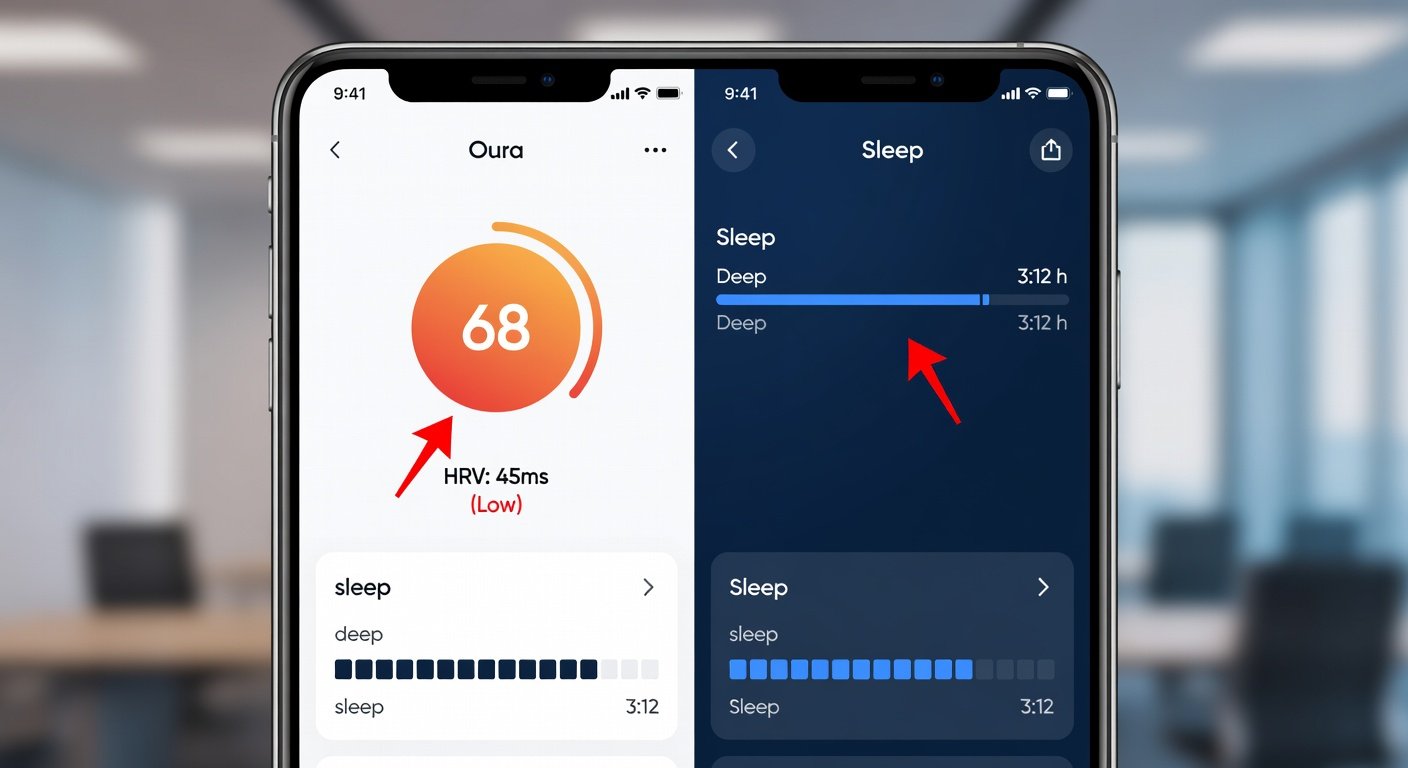
(Screenshot example: Side-by-side Oura/Whoop dashboards highlighting low HRV night with annotations.)
Step 4: Act. Tomorrow: Light yoga, hydrate, 10pm blackout.
Actionable Strategies for Optimized Recovery
Leverage data for gains:
- HRV Hacking: Morning breathwork (4-7-8) boosts 10-20ms. Cold showers pre-bed.
- Readiness Protocols: 80+: HIIT. 60-79: Zone 2 cardio. <60: Walk + nap.
- Deep Sleep Maximizers: Glycine 3g, magnesium 400mg, consistent 10pm bedtime.
- Integration Tools: Export to TrainingPeaks for holistic views.
Track interventions: A/B test (e.g., no alcohol week vs. wine). Expect 15% score uplift in 30 days.
User Case Studies: Real-World Wins
Case 1: Athlete Alex
Alex, 32, ultra-runner. Baseline: HRV 38ms, Readiness 55. Misinterpreted lows as failure. Strategy: Deload weeks on yellow days, added sauna. 3 months: HRV 68ms, PB by 12min.
Case 2: Exec Sarah
Sarah, 45, C-suite. Whoop Recovery often red from travel. Fix: Pre-flight melatonin, HRV biofeedback app. Deep sleep +25%, sustained 85+ scores.
Case 3: Biohacker Mike
Mike stacked Oura with bloodwork. Low deep sleep tied to cortisol. Adrenal support + grounding sheets: 2.1hrs deep, Readiness 92 average.
Conclusion: Data-Driven Sleep Mastery
Oura and Whoop aren't crystal balls, but with advanced interpretation, they're recovery compasses. Embrace 2026 updates, sidestep pitfalls, and implement strategies. Your optimized self awaits—start logging tonight.
No comments yet. Be the first!