 Slow Bio Hack
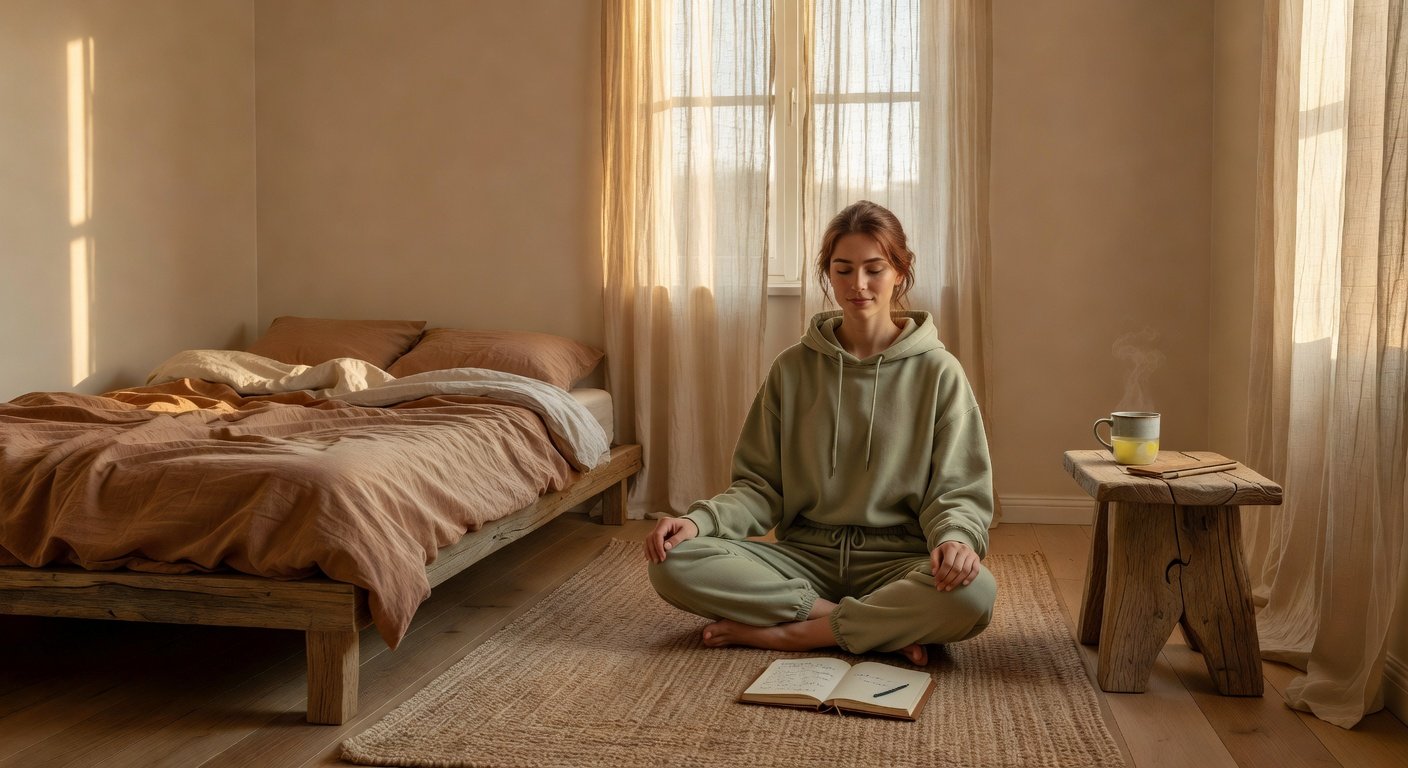
Embracing Slow Living in a Fast-Paced World
In 2026, with constant notifications, hybrid work demands, and global uncertainties, stress is at an all-time high. But what if you could reclaim your calm through personalized slow living routines? Slow living isn't about quitting your job or moving to the countryside—it's a mindful approach to simplifying daily life, fostering presence, and reducing overwhelm. This guide walks you through creating tailored routines for mornings, mid-days, and evenings, complete with practical tips for busy schedules, real-life examples, and ways to measure your progress toward lasting calm.
Rooted in mindfulness practices backed by science, these routines help lower cortisol levels, improve focus, and boost emotional resilience. Studies from institutions like the Mayo Clinic show that even short daily mindfulness breaks can significantly reduce anxiety. Let's dive into building your routine step by step.
Step 1: Crafting Your Morning Ritual (10-20 Minutes)
Start your day intentionally to set a tone of calm that carries through. Mornings are prime for slow living because your mind is freshest, unburdened by the day's chaos.
- Wake Up Gently: Ditch the blaring alarm. Use a sunrise-simulating light or soft tones. Allow 5 minutes in bed for deep breathing: Inhale for 4 counts, hold for 4, exhale for 6.
- Mindful Hydration and Movement: Drink a full glass of warm water with lemon. Follow with 5-10 minutes of gentle yoga or stretching. Focus on your breath syncing with movements—no phone yet!
- Gratitude Journaling: Spend 3 minutes noting three things you're grateful for and one intention for the day. Example: "I'm thankful for my cozy bed, and today I intend to pause before responding to emails."
Busy Schedule Tip: Prep your ritual items (journal, yoga mat) the night before. Sarah, a marketing exec in New York, integrated this by doing it during her commute via a guided audio app—her stress dropped 40% in a month.
Step 2: Midday Pauses for Recharge (5-10 Minutes)
Midday is when energy dips and stress peaks. These micro-pauses act as reset buttons, preventing burnout.
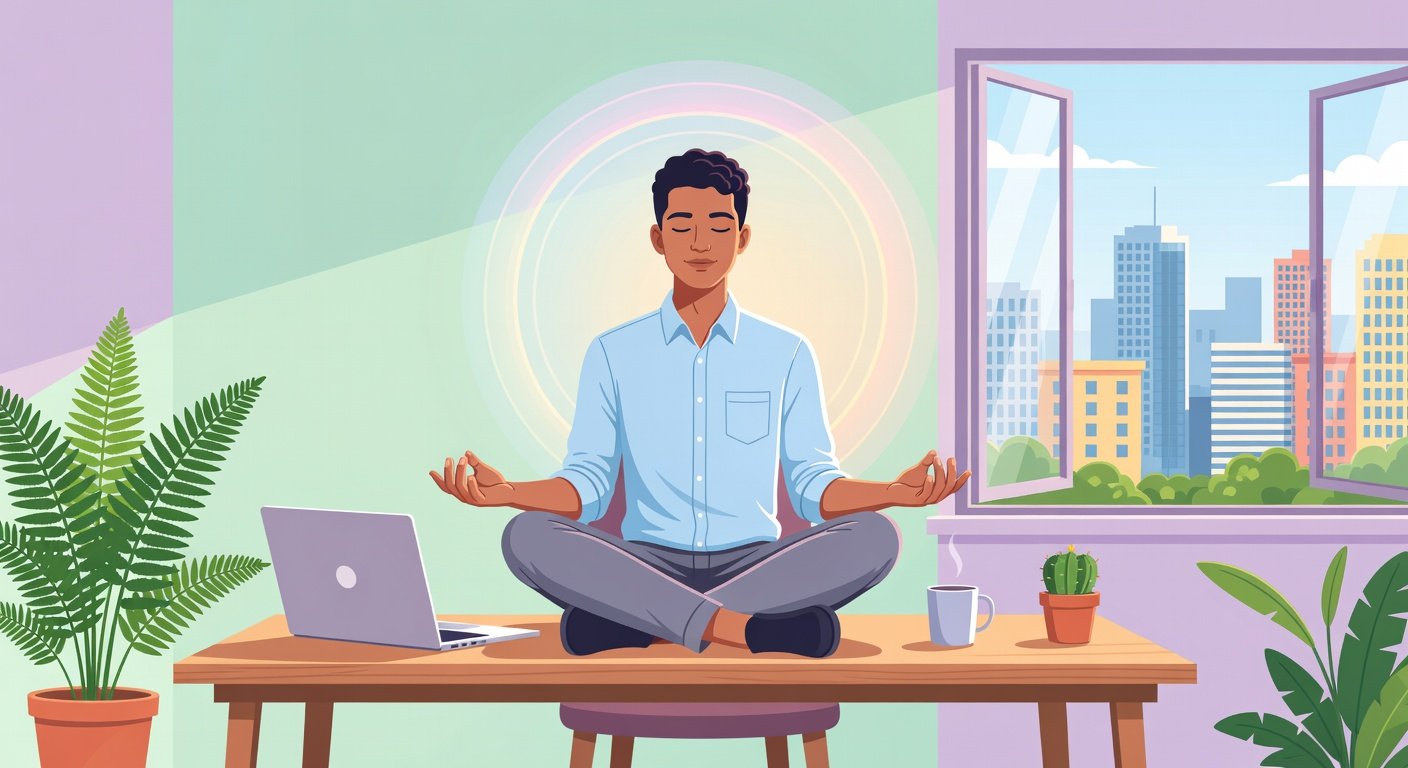
- Breathwork Break: Every 2 hours, step away for box breathing: 4-4-4-4 cycles. Do this at your desk or window.
- Sensory Check-In: Pause to notice five things you see, four you touch, three you hear, two you smell, one you taste. This grounds you in the present.
- Movement Snack: Walk mindfully for 5 minutes—no podcasts. Feel your feet on the ground, observe your surroundings.
Integration Hack: Set phone reminders labeled "Pause for Peace." Tech entrepreneur Mike from San Francisco used this during back-to-back Zoom calls; he reported sharper focus and fewer headaches.
For deeper insights into mindfulness techniques, explore resources from the Greater Good Science Center at UC Berkeley.
Step 3: Evening Wind-Down for Restoration (20-30 Minutes)
End your day by releasing tension, signaling your body it's time to recharge. This routine promotes better sleep, crucial for stress recovery.
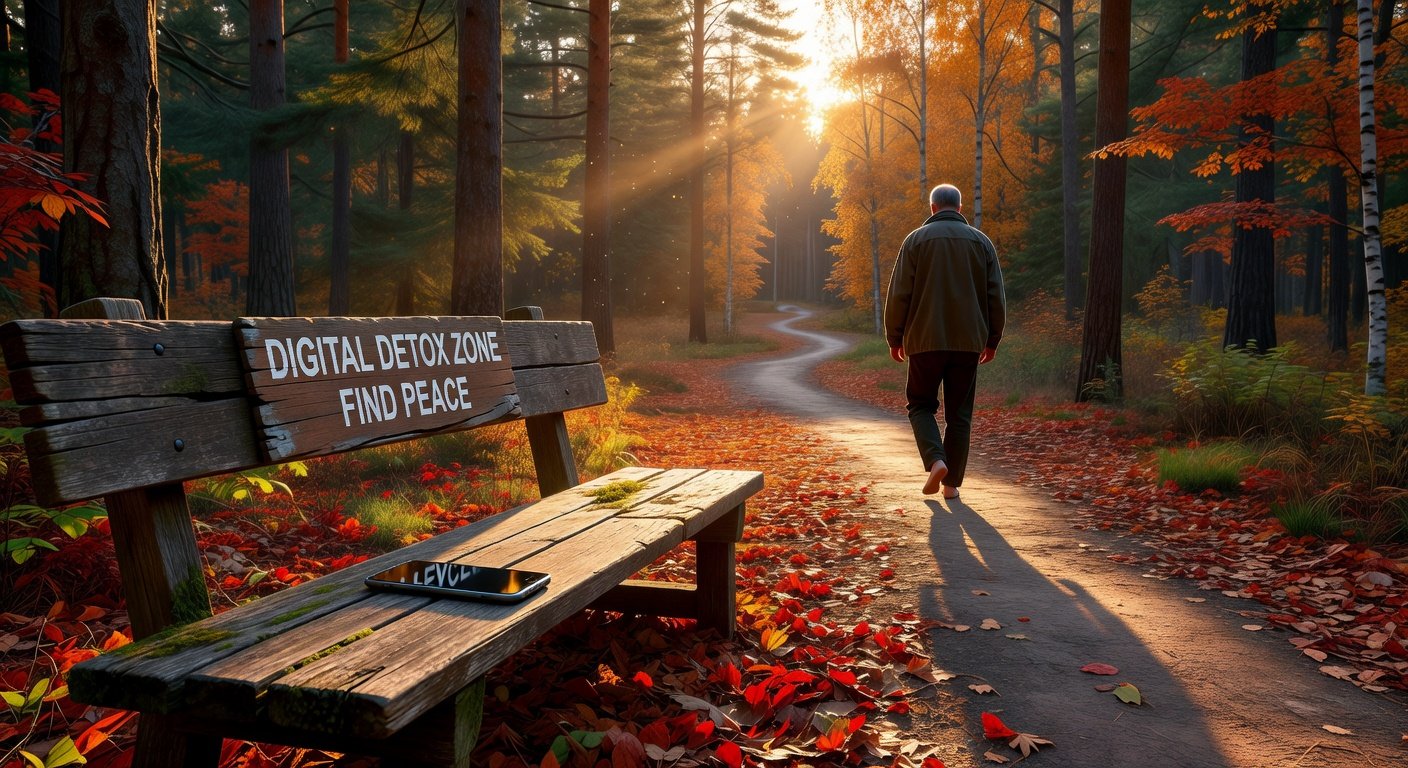
- Digital Sunset: An hour before bed, dim lights and switch to "do not disturb." No screens—read a physical book or listen to soothing sounds.
- Body Scan Meditation: Lie down, mentally scan from toes to head, releasing tightness. Apps like Insight Timer offer free guided versions (5-10 minutes).
- Reflective Close: Journal wins, lessons, and tomorrow's top three priorities. End with a loving-kindness meditation: Send well-wishes to yourself and loved ones.
Practical Tip for Parents/Professionals: Combine with family time—do a group breath before dinner. Lisa, a remote-working mom of two, turned her wind-down into a family ritual, noting her kids slept better and her anxiety eased.
Personalizing Your Slow Living Routine
Make it yours by assessing your lifestyle:
- Assess Energy Patterns: Track high/low energy times for a week using a simple app or notebook.
- Scale for Busyness: Beginners: 5 minutes per ritual. Advanced: 30+ minutes with extras like herbal tea ceremonies.
- Seasonal Tweaks: In winter 2026, add warm baths; summer calls for outdoor pauses.
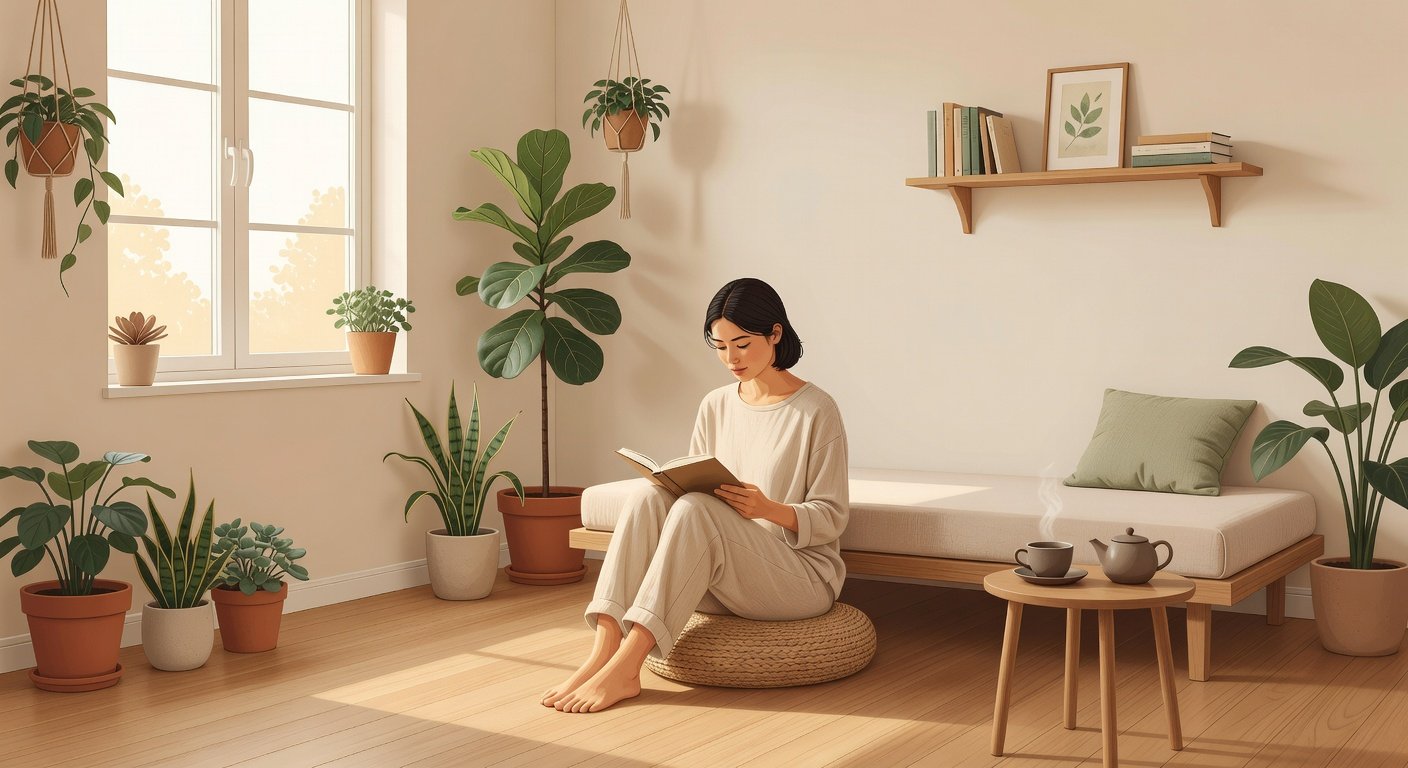
Incorporate nature: Houseplants or balcony time amplify calm. Real-life example: Alex, a freelancer in London, added weekly forest bathing—his HRV (heart rate variability) scores improved, indicating better stress resilience.
Measuring Progress: Track Your Calm in 2026
Don't just feel calmer—quantify it for motivation.
| Method | How to Use | Expected Outcome |
|---|---|---|
| Daily Mood Log | Rate stress 1-10 morning/evening | Decline over weeks |
| Wearable Metrics | Monitor HRV/sleep via devices | Higher HRV, deeper sleep |
| Weekly Reflection | Note routine adherence & wins | Heightened presence |
Tools like journaling apps or free WHO-recommended stress scales help. After one month, revisit: Has your reactivity decreased? Sleep improved? Adjust as needed.
Bonus: Share progress in a community for accountability. The World Health Organization emphasizes tracking mental health for sustained well-being.
Your Path to Stress-Free Slow Living Starts Now
Implementing these routines isn't overnight magic—consistency compounds. Start small: Pick one ritual today. By mid-2026, you'll likely notice profound shifts: deeper calm, better relationships, and reclaimed joy. Slow living is your antidote to modern frenzy—embrace it mindfully.
No comments yet. Be the first!