 Slow Bio Hack

Embracing Slow Living in a Fast-Paced Digital World
In 2026, our lives are more connected than ever, with smartphones buzzing incessantly and notifications pulling us in every direction. Yet, this constant connectivity often leads to heightened stress, anxiety, and burnout. Enter slow living—a deliberate approach to life that prioritizes quality over quantity, presence over productivity. By incorporating digital detox routines like screen-free evenings, mindful unplugged walks, and analog journaling, you can disconnect from the digital noise and reconnect with the present moment.
These practices aren't about rejecting technology entirely but about creating intentional boundaries. Research shows that reducing screen time lowers cortisol levels, improves sleep, and boosts overall well-being. For instance, the Mayo Clinic highlights how relaxation techniques, including mindfulness, combat daily stress effectively.
Key Benefits of Digital Detox Through Slow Living
Slow living routines foster mindfulness by shifting focus from external distractions to internal awareness. Here's how they reduce daily stress:
- Screen-Free Evenings: Ditching devices after sunset allows your brain to unwind, promoting better sleep and reducing blue light exposure.
- Mindful Unplugged Walks: Walking without earbuds or GPS apps heightens sensory awareness—notice the rustle of leaves, the feel of the ground, the rhythm of your breath.
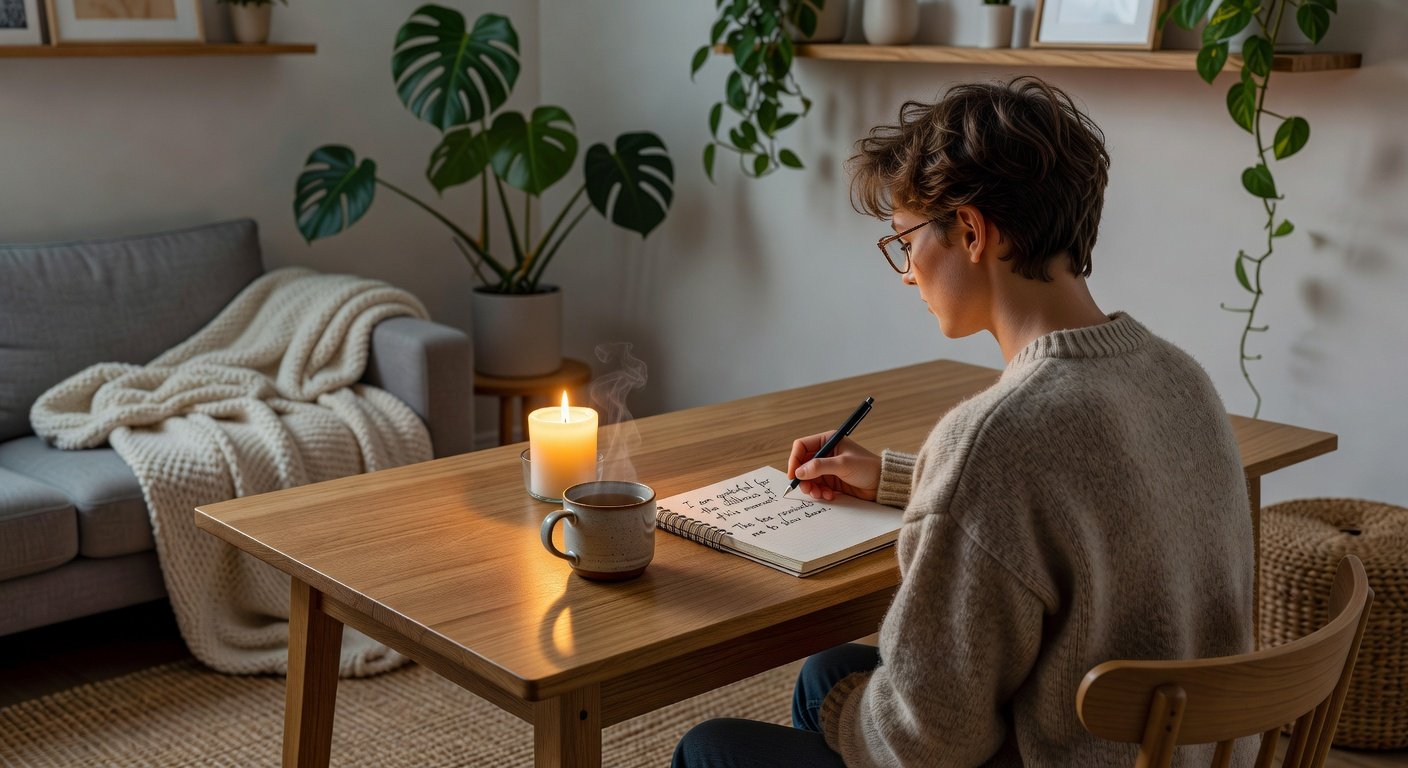
- Analog Journaling: Writing by hand, rather than typing notes on a phone, engages deeper cognitive processing and emotional release.
By disconnecting from notifications, you break the cycle of dopamine-driven checking, reclaiming mental space. Studies from institutions like Harvard Health affirm that such practices enhance focus, creativity, and emotional resilience.
A Customizable 7-Day Slow Living Plan for Busy 2026 Lifestyles
This 7-day plan is designed for integration into hectic schedules. Start small, adjust as needed, and track progress in your analog journal. Each day builds on the last, combining the core practices with practical tips.
Day 1: Establish Screen-Free Evenings
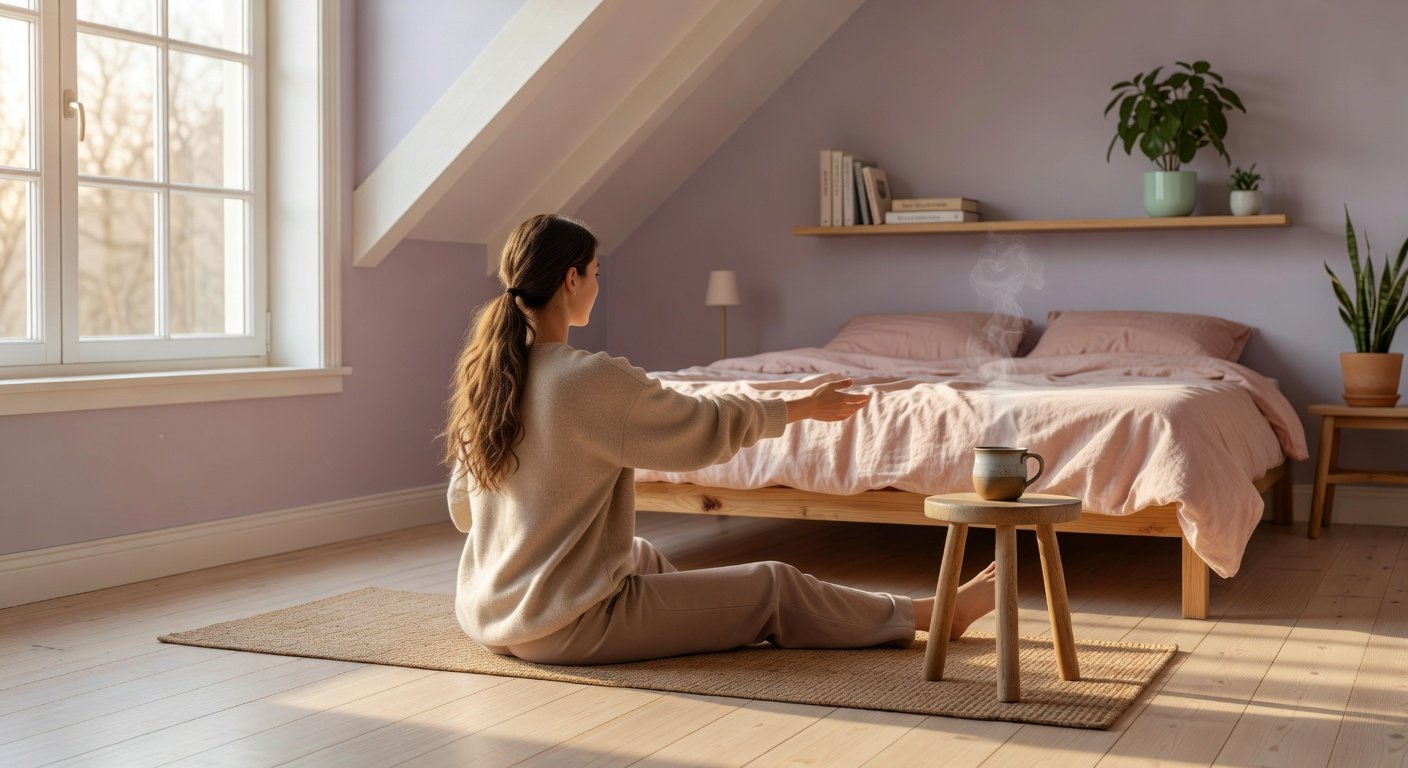
Begin by setting a device curfew at 8 PM. Dim lights, brew herbal tea, and read a physical book or listen to soft music. Tip: Use this time for gentle stretching. Expect initial FOMO, but it fades quickly.
Day 2: Introduce Mindful Unplugged Walks
Take a 20-minute walk without your phone—leave it at home. Focus on your surroundings: birdsong, wind on your skin. For busy pros, do this during lunch breaks. Integration tip: Pair with commuting by walking the last mile home.
Day 3: Start Analog Journaling
Dedicate 10 minutes before bed to handwrite three things you're grateful for and one intention for tomorrow. No screens nearby. Busy hack: Keep a pocket notebook for quick entries during downtime.
Day 4: Combine Evening Wind-Down with Journaling
Extend screen-free time to 7 PM. Journal about your week's stresses and releases. Tip: Light a candle for ambiance, signaling 'unplug' mode to your brain.
Day 5: Extend Unplugged Walks
Aim for 30 minutes. Practice 'earthing'—walk barefoot on grass if possible. For urban dwellers, find a park. Integration: Schedule post-work walks to decompress from meetings.
Day 6: Full Digital Detox Evening
No screens after 6 PM. Prepare a simple meal mindfully, eat without distractions, then journal reflections on the week's changes. Tip: Involve family or roommates for accountability.
Day 7: Reflection and Integration
Combine all practices: Morning walk, evening screen-free ritual, full journaling session. Review what worked and plan weekly repeats. Busy life tip: Use phone's 'Do Not Disturb' as a bridge, gradually reducing reliance.
Tips for Long-Term Integration in 2026
To make slow living stick amid AI assistants and smart homes:
- Tech Boundaries: Set app limits and grayscale mode on devices to reduce appeal.
- Accountability Partners: Share your plan with a friend for mutual check-ins.
- Flexible Scaling: On high-pressure days, shorten practices to 5 minutes—consistency trumps perfection.
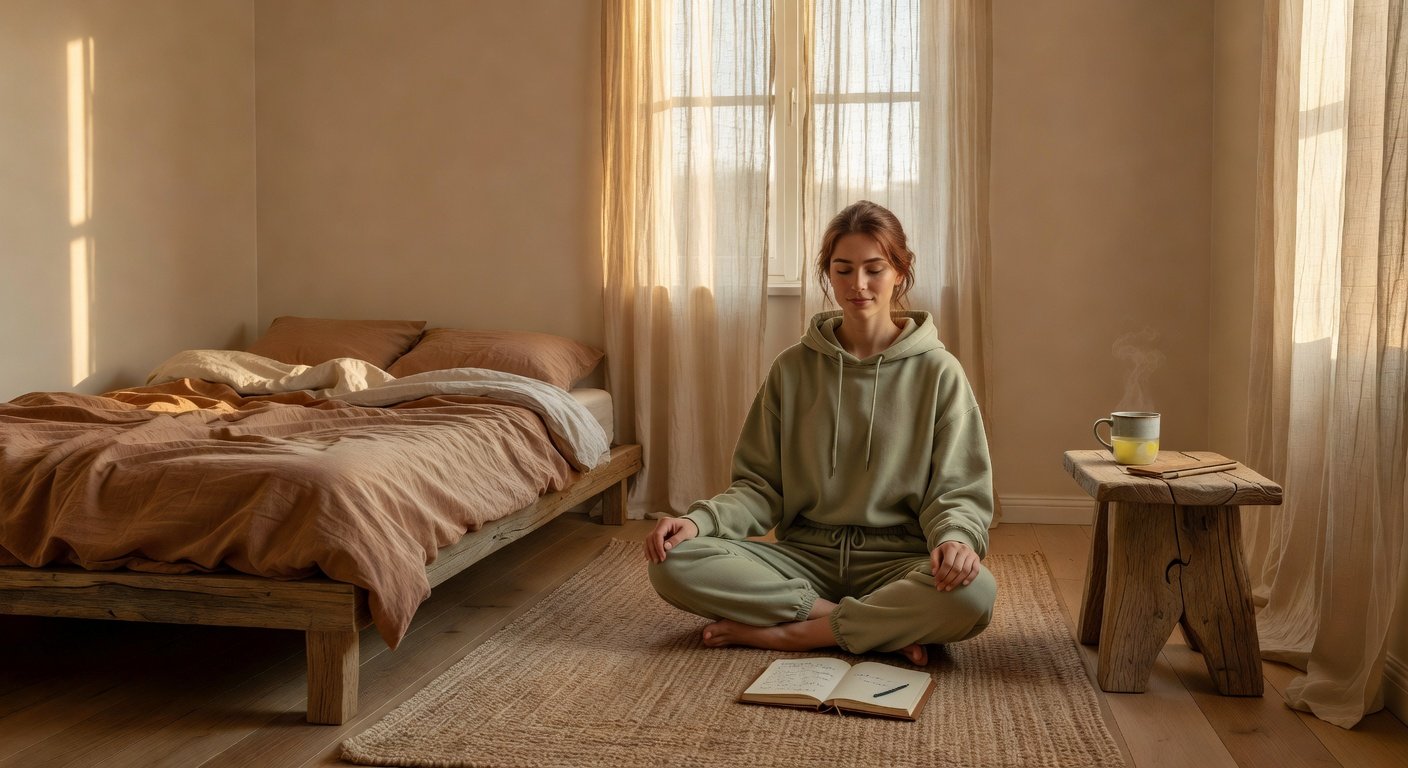
- Environment Cues: Designate a 'slow zone' at home with books, journals, and plants.
Track stress levels weekly; many report 30-50% reductions after a month. These routines not only lower anxiety but also enhance relationships and productivity paradoxically—less input yields clearer output.
Overcoming Common Challenges
Challenges like work emails or social media urges arise. Counter with replacements: Swap scrolling for deep breathing (4-7-8 technique: inhale 4, hold 7, exhale 8). If traveling, use airplane mode creatively. Remember, slow living is progressive—relapses are learning opportunities.
Conclusion: Reclaim Your Present Moment
In 2026's hyper-digital landscape, slow living routines offer a sanctuary. Through screen-free evenings, unplugged walks, and analog journaling, you'll reduce stress, foster mindfulness, and live more intentionally. Start your 7-day plan today—your future self will thank you for the peace.
No comments yet. Be the first!