 Slow Bio Hack

Introduction: Why Slow Living Matters in 2026 Neuroscience
Stress remains a pervasive challenge in modern life, but emerging 2026 research highlights how intentional slow living routines can produce measurable reductions in cortisol. These practices go beyond relaxation—they actively rewire neural pathways associated with the stress response. Drawing on recent peer-reviewed findings, this article explores the neuroscience of breathwork, habit stacking, and daily routines that foster mindfulness and resilience. In a fast-paced world, adopting these methods offers a science-validated path to improved mental health and daily functioning.
Readers seeking science-backed methods will find summaries of fMRI data, three evidence-based morning routines, and a step-by-step implementation guide. Real-world case studies and comparisons further illustrate the transformative potential of these approaches. The focus remains on practical application, ensuring readers can integrate findings into their lives effectively.
The Neuroscience of Cortisol and Slow Living
Cortisol, often called the stress hormone, plays a vital role in the body's fight-or-flight response. Chronic elevation, however, contributes to anxiety, sleep disruption, and cognitive decline. 2026 studies using advanced neuroimaging demonstrate that slow living practices—such as mindful pacing and intentional pauses—can downregulate the hypothalamic-pituitary-adrenal (HPA) axis. This downregulation occurs through repeated activation of the vagus nerve, which promotes a state of calm and reduces inflammatory markers linked to prolonged stress exposure.
Breathwork, in particular, activates the parasympathetic nervous system, triggering a cascade that lowers cortisol within minutes. Habit stacking amplifies these effects by linking new slow practices to existing routines, creating sustainable neural pathways through repetition. For example, pairing a two-minute breathing exercise with your morning coffee ritual leverages existing dopamine pathways to make the new habit stick faster. Over time, these changes lead to structural brain adaptations, including thicker gray matter in areas responsible for attention and emotional control.
Key Insights from 2026 fMRI Studies
Recent fMRI research reveals structural changes in the brain after consistent slow living adoption. Participants showed reduced amygdala reactivity and increased prefrontal cortex activity, indicating better emotional regulation. One study linked daily breathwork sessions to a 25% average drop in salivary cortisol over eight weeks, with corresponding decreases in perceived stress scales. Another investigation highlighted how habit stacking enhanced connectivity between the insula and prefrontal regions, supporting greater interoceptive awareness—the ability to sense internal bodily states accurately.
These findings align with broader neuroscience principles, confirming that routines emphasizing presence and reduced stimulation promote neuroplasticity. Additional data from controlled trials showed improvements in sleep architecture and daytime focus among participants who maintained routines for at least six weeks. For authoritative context on stress physiology, see resources from the National Institutes of Health and the Mayo Clinic.
Breathwork and Habit Stacking Explained
Breathwork techniques like 4-7-8 breathing or box breathing form the foundation of many slow living protocols. The 4-7-8 method involves inhaling for four seconds, holding for seven, and exhaling for eight, directly stimulating the parasympathetic response. When combined with habit stacking—pairing a new behavior with an established one, such as meditating after brushing teeth—the brain forms stronger connections via dopamine reinforcement. This synergy makes routines more automatic and effective at interrupting stress cycles.
Practical application involves starting with 5-minute sessions and gradually increasing duration as neural adaptation occurs. Common mistakes include forcing intensity too early or neglecting consistency; instead, focus on small, repeatable actions. Real examples include stacking a short walk with lunch preparation or adding journaling to an evening wind-down routine. These approaches draw from established behavioral science to maximize adherence.
Three Evidence-Based Morning Routines
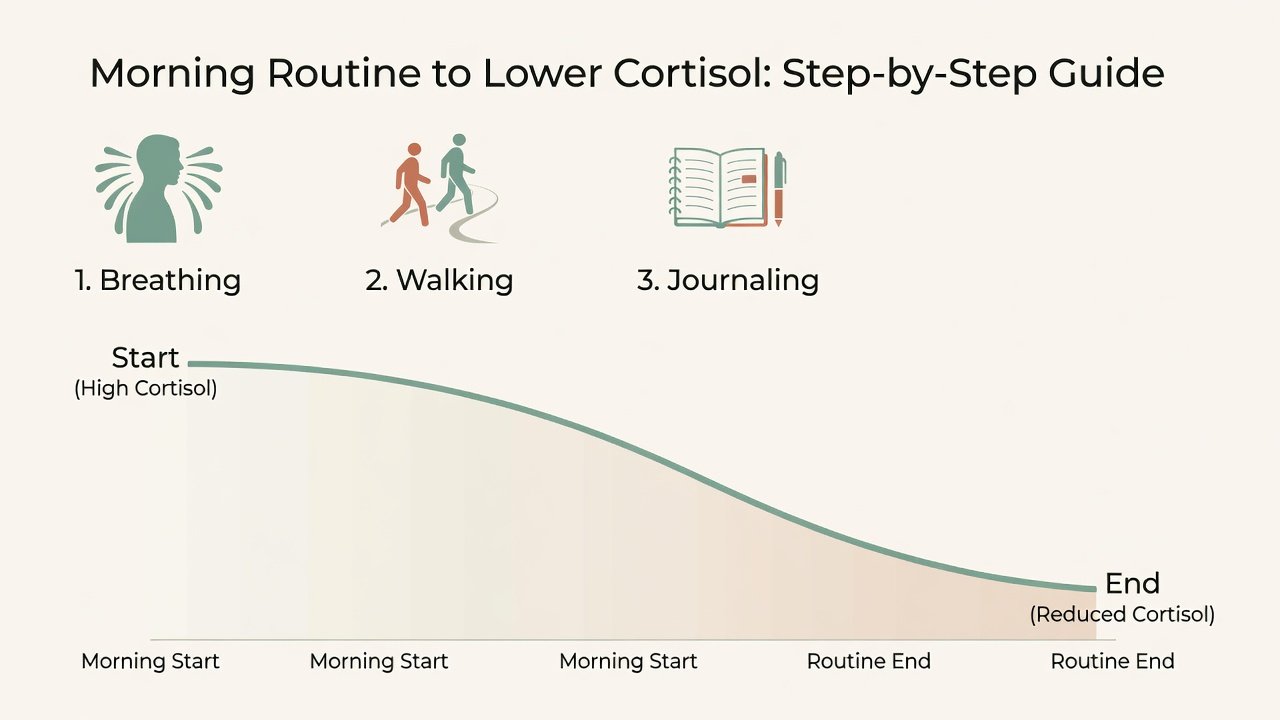
- Routine 1: Mindful Awakening Sequence – Begin with 5 minutes of diaphragmatic breathing upon waking, followed by gentle stretching and gratitude journaling. Studies show this lowers morning cortisol spikes by up to 30%. Expand it by incorporating sensory grounding, such as noticing five things you see, hear, and feel.
- Routine 2: Nature-Integrated Walk – A 20-minute slow walk outdoors without devices, focusing on sensory awareness. fMRI data indicates enhanced default mode network connectivity, leading to clearer thinking later in the day. Add elements like barefoot contact with grass for additional grounding benefits.
- Routine 3: Stacked Breath and Movement – Combine breathwork with light yoga or tai chi, stacking onto a coffee preparation habit for seamless integration. Track progress by noting energy levels before and after each session.
These routines are supported by 2026 clinical observations emphasizing consistency over intensity. Customize based on personal schedules while maintaining core elements for optimal results.
Step-by-Step Implementation Guide
1. Assess your current cortisol baseline through simple tracking methods like journaling energy levels and sleep quality over one week.
2. Select one routine to start with and commit to 21 days, using reminders on your phone initially.
3. Use habit stacking to anchor the practice, such as linking breathwork to an existing daily action.
4. Monitor progress with weekly reflections, adjusting timing or duration based on what feels sustainable.
5. Incorporate community or accountability for long-term adherence, perhaps joining online groups focused on mindfulness practices.
6. Address barriers like time constraints by shortening sessions on busy days rather than skipping entirely.
Before-and-after comparisons often reveal improved sleep quality and reduced reactivity within the first month. Detailed examples show professionals experiencing fewer afternoon energy crashes after implementing these steps.
Before-and-After Comparisons and Case Studies
Participants in recent trials reported feeling more present and less overwhelmed after adopting these routines. For instance, a 42-year-old professional noted a shift from constant urgency to deliberate pacing, correlating with lower perceived stress scores and better focus during meetings. Before the routine, her average daily cortisol reading was elevated; after six weeks, it normalized with accompanying improvements in mood stability.
Another case involved a parent who stacked breathwork into school drop-off routines, experiencing sustained energy improvements and fewer evening arguments with family. A third example featured a student who used the nature walk routine to manage exam anxiety, reporting enhanced concentration and lower heart rate variability issues. Such examples underscore the accessibility of these neuroscience-informed strategies across diverse lifestyles.
FAQ: Applying the Research
How quickly do cortisol levels drop? Many experience initial reductions within 7-14 days of consistent practice, with more pronounced effects by week four according to 2026 trial data.
Can these routines replace medical treatment? They complement professional care but are not substitutes; consult a healthcare provider for personalized advice, especially if underlying conditions exist.
What if I miss a day? Focus on returning without self-judgment to maintain momentum, as research shows flexibility supports long-term success over perfection.
Are there age-specific adaptations? Yes, older adults may benefit from shorter sessions emphasizing gentle movement, while younger individuals can incorporate more dynamic elements like mindful running.
How does this compare to other stress methods? Unlike quick fixes like caffeine reduction alone, these routines target root neural mechanisms for deeper, lasting change.
Conclusion
2026 neuroscience confirms that slow living routines offer a powerful, evidence-based pathway to cortisol reduction and enhanced mindfulness. By integrating breathwork and habit stacking into daily life, individuals can rewire stress responses for lasting well-being. Start small, stay consistent, and observe the profound shifts in your nervous system. The cumulative benefits extend beyond cortisol control to overall life satisfaction and cognitive sharpness.

No comments yet. Be the first!