 Slow Bio Hack
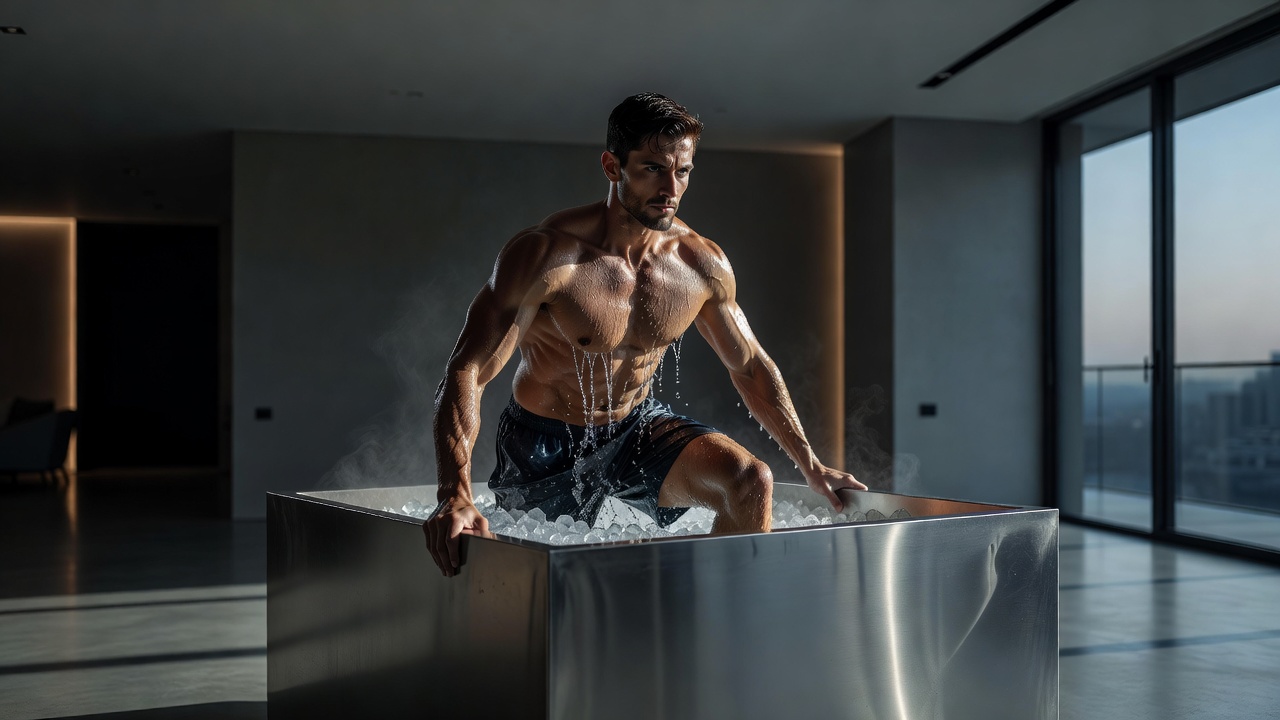
Introduction to Hormesis and Cold Exposure
In 2026, professionals and biohackers are turning to hormesis-based strategies like controlled cold exposure to optimize brain function without relying solely on supplements or apps. Hormesis refers to the adaptive response where low-dose stressors trigger beneficial cellular changes, improving resilience and cognitive performance. This natural mechanism has gained traction among those seeking measurable gains in mental clarity amid demanding schedules filled with remote work, constant notifications, and high-stakes decision-making.
Cold exposure activates this process by stimulating norepinephrine release, reducing inflammation, and enhancing mitochondrial function in brain cells. Research from institutions like the National Institutes of Health supports these mechanisms for mental clarity and stress reduction. Unlike fleeting trends, these protocols deliver compounding benefits when practiced consistently, positioning cold exposure as a cornerstone of modern brain optimization strategies.
The Science Behind Cold Exposure for Brain Health
Hormetic stress from cold activates heat shock proteins and BDNF (brain-derived neurotrophic factor), key for neurogenesis. Studies show regular exposure can improve focus by up to 20% in controlled trials, with measurable gains in attention span and emotional regulation. The physiological cascade begins with vasoconstriction followed by rebound vasodilation, which boosts blood flow to the brain and supports oxygen delivery to neural tissues.
Key pathways include increased dopamine and reduced cortisol levels, directly supporting 2026 demands for sustained productivity in high-stress environments. Unlike meditation alone, cold exposure provides tangible physiological shifts measurable via wearables tracking HRV. Additional effects involve upregulation of antioxidant enzymes and improved insulin sensitivity, which indirectly benefit cognitive endurance. Long-term practitioners often report enhanced mood stability and faster recovery from mental fatigue, backed by peer-reviewed findings available through NIH resources.
Step-by-Step Beginner Protocols
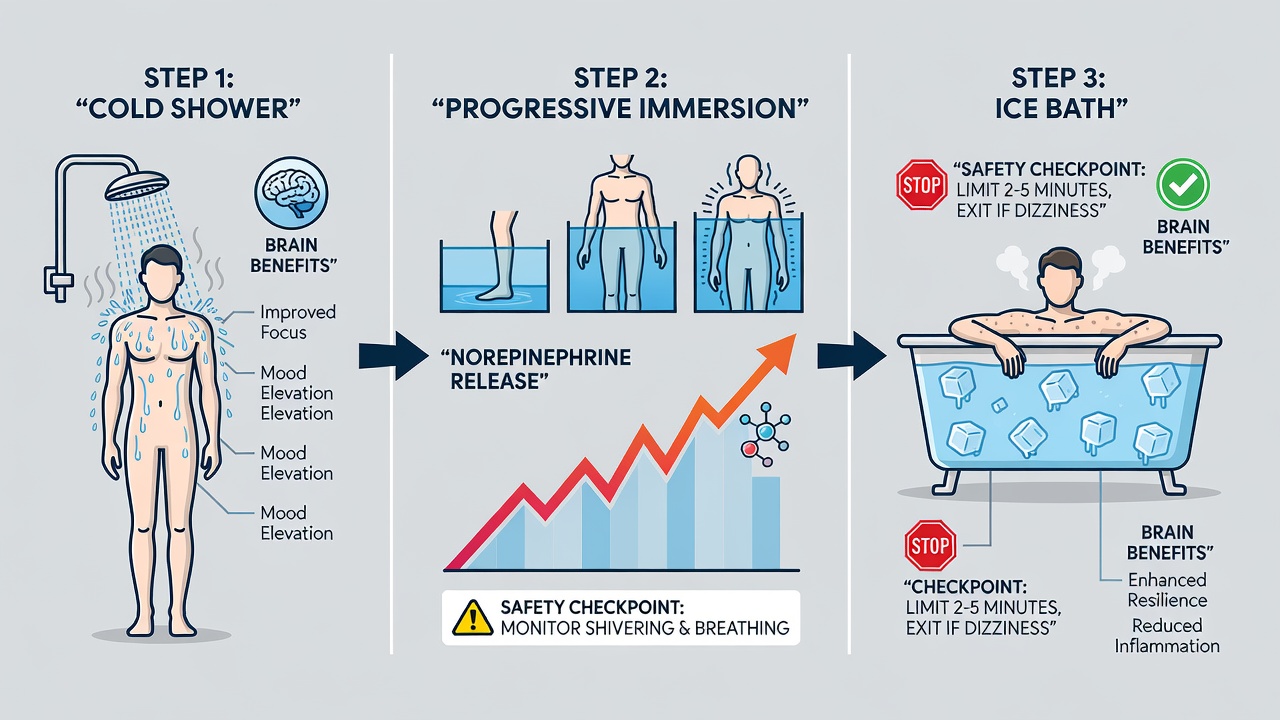
Start gradually to build tolerance. Begin with cold showers at the end of your normal routine. Consistency matters more than intensity in the early phases.
- Week 1-2: 30-60 seconds at 15°C (59°F) after warm shower, focusing on controlled breathing through the nose.
- Week 3-4: Extend to 2 minutes, targeting face and torso exposure while maintaining steady posture.
- Progress to ice baths: 5-10 minutes at 10-12°C (50-54°F), 2-3 times weekly, always with a timer and exit plan.
Track outcomes with apps monitoring focus scores and sleep quality for data-driven adjustments. Incorporate breathwork such as the Wim Hof method to extend comfort windows safely. Variations include contrast therapy alternating warm and cold, or localized exposure using ice packs on the neck for milder entry points. These protocols scale with individual fitness levels and can be adapted for home or gym settings.
Advanced Protocols for 2026 Optimization
Once comfortable with basics, advance to structured cycles incorporating frequency modulation. Perform ice baths three times per week post-workout for recovery synergy. Combine with breath holds to amplify catecholamine response. Monitor core temperature drops using affordable thermometers to stay within safe ranges of 1-2 degrees Celsius reduction.
Comparisons with Other Focus Hacks
Cold exposure outperforms caffeine stacking for long-term resilience by avoiding crashes. Compared to intermittent fasting, it offers faster acute focus boosts. Integration with meditation amplifies results, creating a synergistic protocol popular among 2026 executives. Versus nootropics, cold exposure avoids dependency risks while providing broader systemic benefits including immune modulation. When stacked with sauna sessions, the hormetic contrast yields superior HRV improvements according to user data shared in optimization communities.
Real-World Examples from High Performers
Entrepreneurs like those featured in biohacking communities report 30% better decision-making after 8 weeks of protocols. Athletes and tech leaders cite improved mental toughness during high-stakes periods, aligning with evidence from sources such as Mayo Clinic health guides. One Silicon Valley founder credits daily cold showers for reduced anxiety during funding rounds, while endurance athletes note faster post-competition mental recovery. These anecdotes align with emerging 2026 trends where executives integrate cold protocols into corporate wellness programs for team resilience building.
Safety Tips and Common Mistakes
Consult a physician first, especially with cardiovascular conditions. Never exceed personal limits; exit immediately if dizziness occurs. Avoid alcohol beforehand and warm up gradually post-exposure. Common errors include starting too intensely or ignoring breathing techniques. Additional precautions involve never practicing alone during initial ice bath sessions and keeping emergency warming supplies nearby. Those with hypertension should monitor blood pressure before and after sessions. Gradual progression prevents shock responses that could undermine adherence.
Measuring Outcomes and Tracking Progress
Use wearable devices to log HRV, resting heart rate, and subjective focus ratings daily. Journal entries noting task completion speed and emotional reactivity provide qualitative data. After four weeks, reassess with standardized cognitive tests available online. Consistent tracking reveals patterns such as peak focus windows occurring 30-60 minutes post-exposure.
Integrating with Other Biohacks
Pair cold exposure with morning sunlight for circadian alignment and enhanced dopamine synergy. Combine with resistance training on alternate days to maximize mitochondrial adaptations. Avoid stacking with heavy meals immediately before sessions to prevent digestive discomfort. This integrated approach creates a robust 2026 optimization stack targeting multiple performance levers simultaneously.
FAQ Section
How long until results appear?
Most notice focus improvements within 2-4 weeks of consistent practice, with resilience gains compounding over months.
Is it suitable for everyone?
Generally safe for healthy adults; pregnant individuals or those with Raynaud's should avoid.
Can it replace therapy?
It complements mental health strategies but is not a substitute for professional care when clinical conditions exist.
What temperature range works best?
Beginner showers at 15°C and ice baths between 10-12°C deliver optimal hormetic effects without excessive risk.
How often should sessions occur?
Two to four exposures weekly suffice for maintenance, with daily short showers as an accessible entry option.
Conclusion
Incorporating cold exposure into your 2026 routine offers a natural, scalable path to superior brain optimization through hormesis. Begin today with simple showers and progress mindfully for lasting resilience gains that support both cognitive performance and overall well-being.


No comments yet. Be the first!