 Slow Bio Hack
Introduction to Gamified Brain Training for Focus
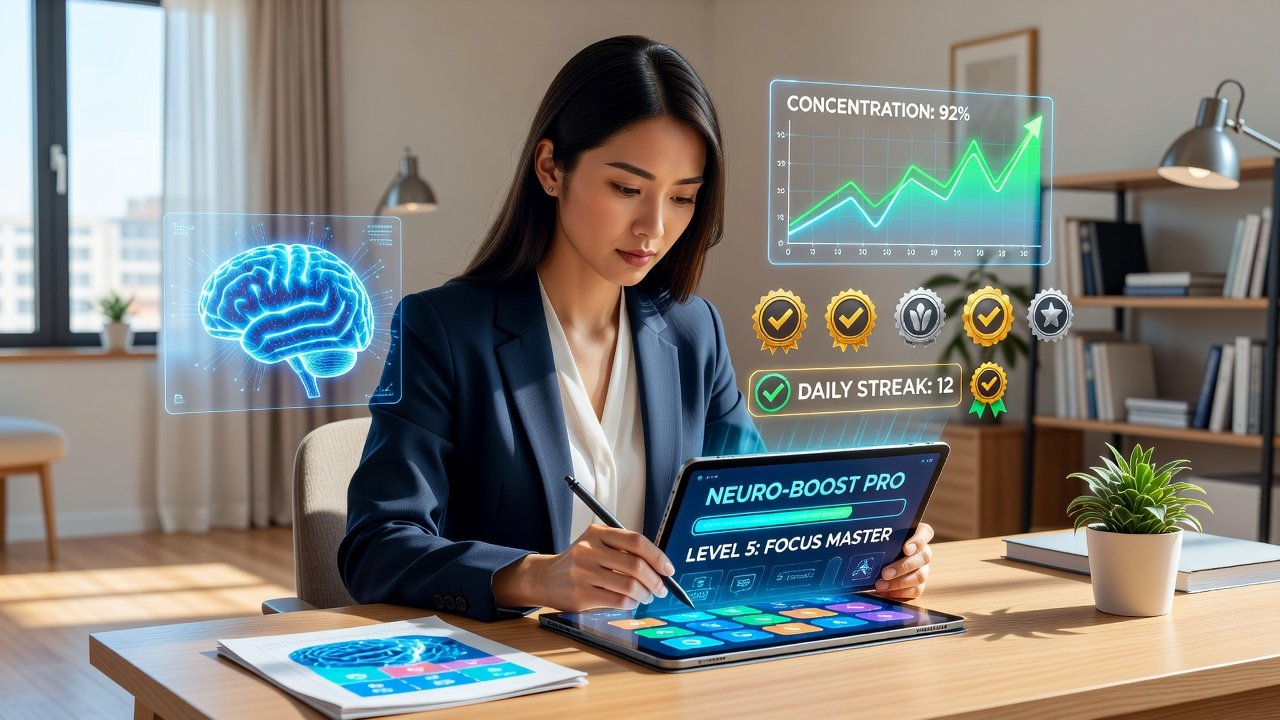
In 2026, professionals, students, and lifelong learners are increasingly adopting gamified brain training apps to achieve measurable improvements in cognitive performance and mental well-being. These platforms convert standard cognitive exercises into interactive, reward-based experiences that leverage game mechanics such as points, levels, streaks, leaderboards, and personalized challenges. The result is sustained user engagement that goes far beyond what traditional methods like paper puzzles or basic meditation can deliver. With rising demands on attention spans in a hyper-connected world, these apps offer practical focus hacks supported by adaptive algorithms and real-time feedback. This comprehensive guide explores app selection criteria, detailed setup routines, real-life daily integration examples across various lifestyles, direct comparisons with non-gamified approaches, advanced progress tracking methods, pitfalls to avoid, and answers to common safety and effectiveness questions. Readers will gain concrete, actionable strategies to optimize brain function throughout the year.
The Science Behind Gamified Cognitive Training
Gamification taps into dopamine pathways to make repetitive mental tasks enjoyable, leading to higher completion rates and better retention of gains. Research indicates that immediate rewards and visual progress indicators strengthen neural connections associated with attention and memory. In 2026, many apps incorporate neuroplasticity principles, adjusting difficulty based on performance data collected over weeks. This adaptive approach ensures users remain in an optimal challenge zone, avoiding both boredom and frustration. When combined with lifestyle factors such as sleep hygiene and nutrition, these tools amplify results, offering a holistic path to mental optimization that non-digital methods often overlook.
Selecting the Best Gamified Brain Training Apps
Choosing the right app starts with identifying your primary goals, whether improving sustained attention during long work sessions or enhancing working memory for complex problem-solving. Evaluate platforms based on scientific backing, user interface intuitiveness, cross-device synchronization, and integration with wearables like smartwatches. Look for features such as initial cognitive assessments, customizable training plans, and community challenges that promote accountability. Top contenders often include apps with proven track records in focus enhancement, offering modules for attention, processing speed, and emotional regulation. Test multiple options through free trials to assess how well the game elements align with your motivation style. Check 2026 update histories for compatibility with the latest operating systems and privacy standards before committing long-term.
Step-by-Step Setup Routines
Begin the setup process by downloading the app and completing a comprehensive baseline assessment that measures reaction time, accuracy, and cognitive flexibility. This usually requires 10 to 20 minutes and generates a personalized starting point. Define specific, measurable objectives such as increasing focus duration from 25 minutes to 45 minutes within one month. Customize difficulty settings to begin at a moderately challenging level, then enable daily reminders synced with your calendar and wearable devices. Establish a reward system within the app, such as unlocking advanced levels after maintaining seven-day streaks. Troubleshoot common setup issues by ensuring stable internet connections for cloud syncing and adjusting notification preferences to avoid overload. Reassess goals every two weeks and refine routines based on initial performance data.
Daily Integration Examples
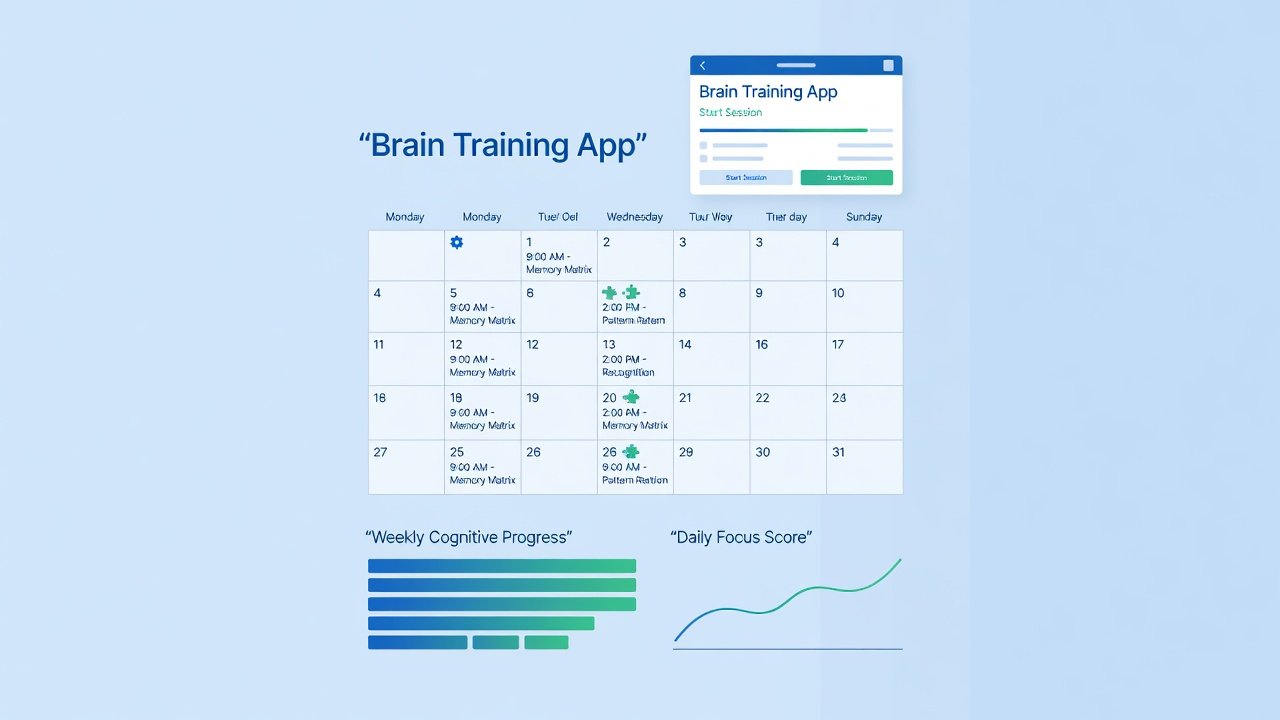
Professionals commuting via public transit can complete audio-driven attention exercises during rides, turning otherwise lost time into productive focus training. Remote workers benefit from inserting 15-minute sessions between video calls to reset mental clarity and reduce afternoon fatigue. Students often intersperse app-based memory challenges with study blocks, using in-app badges as motivation to finish assignments. Parents managing household responsibilities might schedule short sessions during children's nap times, tracking how improved concentration carries over into evening family interactions. Entrepreneurs can combine training with strategic planning by reviewing app analytics alongside business metrics. These examples demonstrate flexible integration that fits diverse schedules without requiring major lifestyle overhauls.
Comparisons to Non-Gamified Training
Traditional non-gamified methods such as solitary meditation or static puzzle books frequently suffer from high dropout rates because they lack immediate feedback and motivational structures. Gamified apps, by contrast, maintain engagement through variable reward schedules and social elements, resulting in more consistent practice and faster focus improvements. While non-gamified approaches may foster deeper introspection in some users, they rarely provide quantifiable progress metrics or adaptive difficulty. Hybrid strategies that combine both—using gamified sessions for skill-building and occasional unplugged reflection—often yield the strongest outcomes. Data from authoritative sources like the National Institutes of Health supports the superiority of interactive formats for long-term adherence and cognitive gains.
Progress Tracking Tips
- Monitor weekly in-app dashboards for trends in reaction time, accuracy percentages, and session completion rates.
- Correlate digital scores with real-world performance indicators such as reduced email response times or higher project output.
- Integrate data from wearables to examine relationships between sleep quality, stress levels, and cognitive metrics.
- Export progress reports monthly to spreadsheets for visual charting and identification of plateaus.
- Share anonymized insights with accountability partners or coaches for external feedback and motivation.
- Adjust training intensity when metrics stagnate for more than two weeks by introducing new exercise categories.
Consistent tracking transforms subjective feelings of improvement into objective evidence that reinforces continued use.
Common Pitfalls to Avoid
One frequent mistake is overtraining beyond recommended session lengths, which can cause mental fatigue and diminished returns. Another is neglecting personalization options, leading to exercises that are either too easy or excessively difficult and resulting in early abandonment. Users sometimes rely exclusively on apps while ignoring complementary habits such as regular physical activity and balanced nutrition, limiting overall effectiveness. Privacy concerns arise when apps are not vetted for data security; always review permissions and opt for platforms with transparent policies. Finally, expecting overnight transformations ignores the gradual nature of neuroplasticity—realistic timelines involve noticeable shifts after four to eight weeks of consistent effort. Cross-reference app claims with guidance from trusted organizations such as the Mayo Clinic to maintain balanced expectations.
Short FAQ on Safety and Effectiveness
Are these apps safe for daily use?
Most platforms are designed with input from cognitive scientists and include built-in rest prompts, making daily sessions safe for the majority of healthy adults when guidelines are followed.
How effective are they for focus gains in 2026?
Consistent users commonly experience measurable attention improvements within four to six weeks, thanks to continuously updated algorithms reflecting the latest neuroscience.
Can anyone benefit, including those with ADHD?
Many apps provide specialized modes for attention-related challenges; however, individuals should consult healthcare professionals and reference guidelines from the World Health Organization for tailored recommendations.
Do results persist after stopping use?
Maintenance sessions every few weeks help sustain gains, as cognitive skills benefit from ongoing stimulation similar to physical fitness routines.
Conclusion
Gamified brain training apps stand out as powerful, engaging tools for achieving focus optimization in 2026. Through careful app selection, structured setup, seamless daily integration, and diligent progress monitoring, users can realize sustainable mental performance enhancements while sidestepping common obstacles. Begin with a single focused session today to discover how reward-driven exercises can transform your cognitive capabilities over time.


No comments yet. Be the first!