 Slow Bio Hack
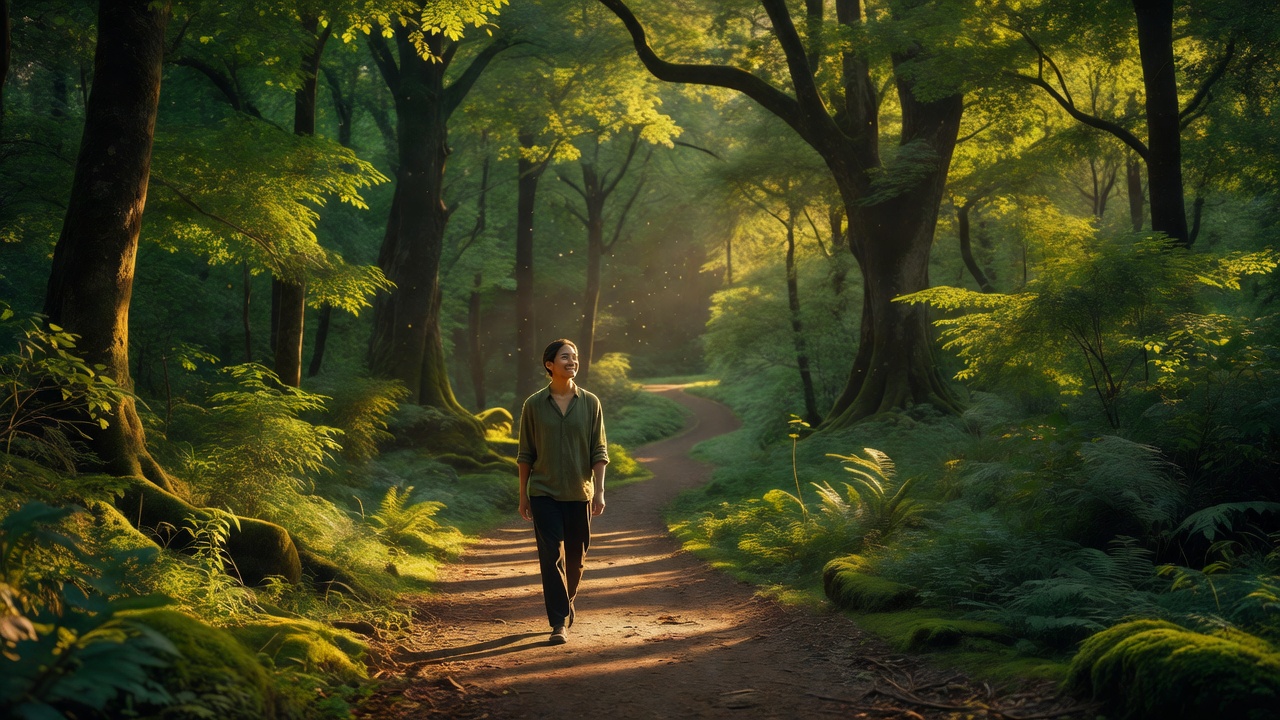
In 2026, professionals and students alike are turning to nature immersion as a proven method to enhance cognitive performance beyond traditional indoor routines. This guide provides practical, beginner-friendly strategies rooted in attention restoration theory and recent neuroscience findings. Regular time spent in natural settings can sharpen focus, reduce mental fatigue, and support long-term brain health in ways that indoor exercise or digital detoxes alone cannot achieve. Whether you live in a bustling city or near expansive woodlands, incorporating nature strategically offers measurable advantages for attention, creativity, and emotional resilience. The growing body of research underscores how these practices move beyond wellness trends to deliver tangible brain optimization results that compound over time.
The Science of Attention Restoration
Attention restoration theory explains how natural environments replenish directed attention, reducing mental fatigue. Studies from the National Institutes of Health highlight improved executive function after just 20-30 minutes outdoors. National Institutes of Health resources detail these mechanisms, including lowered cortisol levels and enhanced working memory. The brain's prefrontal cortex, responsible for concentration and decision-making, benefits from the gentle stimuli found in nature, such as rustling leaves or flowing water. These elements engage involuntary attention, allowing voluntary focus networks to recover without additional effort. Research also shows reductions in rumination and anxiety, which indirectly support sustained cognitive output throughout the workday.
Additional evidence links phytoncides—natural compounds released by trees—to boosted immune function and lower inflammation markers that affect brain clarity. Over repeated exposures, these changes accumulate into stronger neural pathways for problem-solving and memory retention. Beginners often notice initial shifts within the first week, with more pronounced gains emerging after consistent practice over several months. Neuroimaging studies further reveal increased connectivity in areas associated with creativity and emotional regulation following regular immersion.

Recommended Weekly Protocols
Aim for 150 minutes of moderate nature exposure weekly, broken into sessions of at least 20 minutes. Morning forest walks optimize circadian rhythms, while evening park visits aid wind-down. Combine with mindful breathing for amplified effects. For optimal results, alternate between longer weekend excursions and shorter daily integrations. Track your sessions using a simple notebook or phone app to ensure consistency without overcomplicating the process. Advanced users may layer in sensory exercises, such as identifying five distinct natural sounds per session, to deepen the restorative impact.
Urban Adaptation Tips
City dwellers can replicate benefits using rooftop gardens, local parks, or even window views of greenery. Apps tracking green space proximity help maximize short breaks. Incorporate biophilic elements like plants in workspaces for micro-restorations throughout the day. Professionals in dense urban areas report success by scheduling walking meetings in nearby green corridors or using noise-cancelling headphones to simulate natural soundscapes during brief outdoor pauses. Another effective tactic involves creating a personal "green commute" route that passes through tree-lined streets, even if the total distance remains short. Community initiatives in major cities have also introduced pop-up nature pods that provide quick access to immersive elements during lunch hours.
Measurable Cognitive Gains
Participants report 15-25% improvements in focus tests after consistent immersion. Real-world examples include software engineers noting faster debugging sessions and teachers experiencing reduced burnout. These gains compound over months with regular practice. One marketing executive described completing complex campaign strategies 30% quicker after adopting twice-weekly park lunches, attributing the change to clearer mental processing and fewer distractions. Students preparing for exams similarly observe better retention when reviewing material outdoors rather than in libraries. Longitudinal data suggests these improvements also correlate with better sleep quality and reduced decision fatigue in high-pressure roles.
Forest Versus City Park Effects
Forests provide deeper restoration due to biodiversity and phytoncides, outperforming city parks in attention recovery metrics. However, accessible urban parks still deliver significant benefits for stress reduction, making them ideal entry points for beginners. A side-by-side comparison reveals forests excel at restoring directed attention after high-cognitive-load tasks, while city parks offer quicker accessibility and social elements that can enhance mood. For those with limited time, starting in parks builds the habit before progressing to fuller forest experiences on weekends. Seasonal variations also play a role, with spring and fall often yielding the strongest cognitive boosts due to moderate temperatures and vibrant sensory input.
Mistakes to Avoid
- Skipping consistency in favor of occasional long hikes, which limits cumulative benefits.
- Using phones excessively during immersion sessions, defeating the purpose of soft fascination.
- Ignoring weather adaptations, such as choosing indoor alternatives on extreme days instead of canceling entirely.
- Expecting instant results without tracking progress over at least four weeks.
- Overlooking personal safety by venturing into unfamiliar areas without basic preparation like maps or companions.
4-Week Implementation Plan
- Week 1: Schedule two 20-minute park visits; track mood via journal. Focus on noticing natural details like bird sounds to engage soft fascination. Begin each session with a brief body scan to heighten present-moment awareness.
- Week 2: Extend one session to 40 minutes; add nature sounds at home during focused work blocks. Introduce a short breathing exercise at the start of each outing. Experiment with different times of day to identify personal peak restoration windows.
- Week 3: Incorporate a weekend forest hike; compare focus levels pre- and post-exposure. Document any shifts in afternoon energy or task completion speed. Pair the hike with light journaling to capture emerging insights or creative ideas.
- Week 4: Integrate daily micro-breaks and review cognitive metrics for adjustments. Experiment with combining nature time with light stretching for enhanced physical-cognitive synergy. Evaluate overall patterns and set intentions for ongoing maintenance.
Tracking Methods for Sustained Results
Use simple apps or notebooks to log attention spans and energy levels weekly. Measure outcomes through self-assessments such as the number of tasks completed without distraction or subjective ratings of mental clarity on a 1-10 scale. Many find success pairing these logs with wearable devices that monitor sleep quality and heart rate variability, both of which improve alongside nature exposure. Review data monthly to refine your protocol and maintain motivation. Over time, these records reveal personalized patterns, such as optimal session lengths or preferred environments, allowing for tailored adjustments that maximize long-term cognitive gains.
Common Barriers and How to Overcome Them
Time constraints often top the list of obstacles. Solution: Break exposure into micro-sessions of 10 minutes integrated into existing routines like commutes or breaks. Weather concerns can be addressed by preparing layered clothing or selecting sheltered green spaces. Motivation dips are common after the initial novelty fades; combat them by joining group nature walks or setting small rewards after consistent weeks. For those with mobility limitations, accessible parks with paved paths or virtual nature experiences via high-quality recordings serve as viable bridges until full participation becomes feasible.
FAQ
How do I overcome time barriers? Start with 10-minute increments during lunch or after waking. What tracking methods work best? Use simple apps or notebooks to log attention spans and energy levels weekly while cross-referencing with productivity metrics. Is indoor plant time sufficient? While helpful for micro-restorations, full outdoor immersion delivers superior results according to comparative studies. Can children benefit similarly? Yes, with age-appropriate activities that encourage exploration and play in natural settings.
Conclusion
By integrating these evidence-based nature immersion strategies into 2026 routines, individuals can achieve lasting cognitive enhancements while supporting overall mental wellness. Begin with small, consistent steps and adjust based on personal tracking for optimal, sustainable results that extend well beyond the initial implementation period.


No comments yet. Be the first!