 Slow Bio Hack
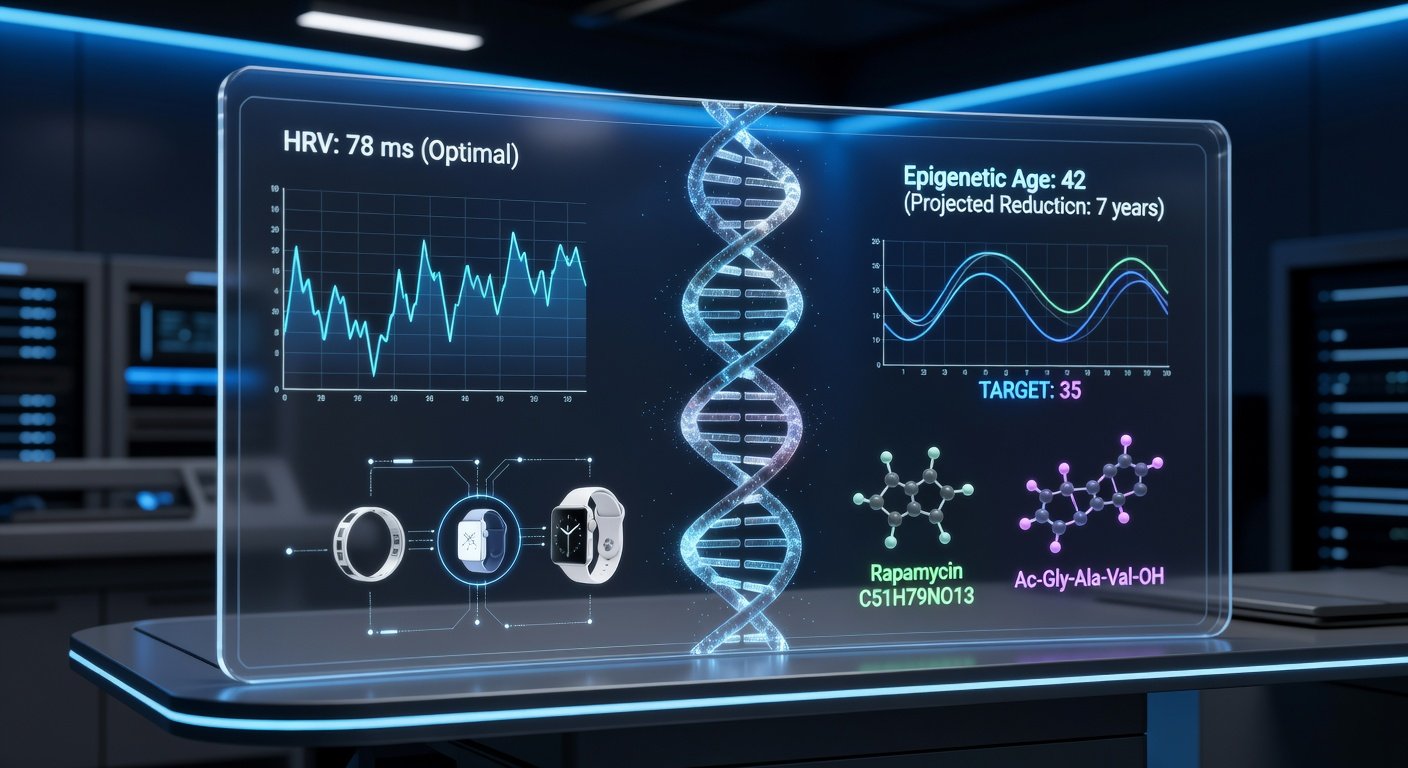
Introduction to Personalized Longevity Planning
Longevity isn't just about living longer—it's about thriving with vitality well into your later years. With advancements in AI, genetic testing, and wearable tech, creating a tailored anti-aging plan is more accessible than ever. This guide walks you through the process step-by-step, from baseline assessments to monitoring progress. Whether you're new to biohacking or an advanced enthusiast, these strategies can optimize your healthspan.
We'll cover AI-driven genetic analysis, targeted interventions like rapamycin mimics and peptide therapies, and real-time biomarker tracking. Backed by emerging science, this approach emphasizes sustainability over quick fixes.
Step 1: Conduct a Comprehensive Baseline Health Assessment
Before diving into interventions, establish your starting point. A thorough baseline reveals strengths, weaknesses, and risks.
- Physical Exam: Visit a functional medicine doctor for bloodwork, including markers like HbA1c, CRP, homocysteine, and lipid panels.
- Functional Tests: Assess VO2 max, grip strength, and body composition via DEXA scan.
- Cognitive Baseline: Use apps like Cambridge Brain Sciences for memory and processing speed tests.
Track subjective metrics too: sleep quality, energy levels, and mood via a journal. This data forms your reference point for measuring progress.
Step 2: Leverage AI-Driven Genetic Analysis
Genetics hold the key to personalization. Services like 23andMe or Nebula Genomics provide raw data, but AI tools elevate it.
Upload your DNA to platforms like FoundMyFitness or SelfDecode. These use machine learning to interpret SNPs related to longevity pathways, such as mTOR, sirtuins, and inflammation.
- Key Genes to Analyze:
- FoxO3: Linked to exceptional longevity.
- APOE: Influences Alzheimer's risk and lipid metabolism.
- MTHFR: Affects folate processing and cardiovascular health.
For authoritative insights on genomics, explore the National Human Genome Research Institute. AI algorithms predict how you'll respond to interventions, like metformin sensitivity or NAD+ booster efficacy.
Step 3: Select Targeted Interventions
Based on your genetic profile and baseline, choose evidence-based therapies. Focus on geroprotectors that target aging hallmarks.
Rapamycin Mimics and mTOR Inhibition
Rapamycin extends lifespan in models by inhibiting mTOR. Mimics like everolimus or natural options (curcumin, resveratrol) offer safer alternatives. Start low: 1-5mg weekly, cycled.
Peptide Therapies
Peptides like BPC-157 for healing, Thymosin Alpha-1 for immunity, or Epitalon for telomerase activation show promise. Source from reputable compounding pharmacies and monitor via bloodwork.
- Dosing Tips: Consult protocols from researchers like Peter Attia.
- Safety First: Check FDA guidelines on FDA.gov for approved uses and risks.
Stack with lifestyle: caloric restriction, exercise, and sauna use amplify effects.
Step 4: Monitor Progress with Advanced Wearables and Biomarkers
Tracking is crucial for iteration. Use wearables for continuous data.
- Oura Ring or Whoop: Sleep stages, HRV, recovery scores.
- Continuous Glucose Monitors (CGM): Levels like Dexcom track metabolic health.
- Advanced Devices: Levels Health for hormone panels; InsideTracker for quarterly blood AI analysis.
Quarterly labs monitor biomarkers: NAD+ levels, telomere length, epigenetic age via TruAge test. AI dashboards like those from Rejuverate integrate data for actionable insights.

Real-World Case Examples
Meet Dave, 52, a tech exec. His genetic analysis revealed high inflammation SNPs. Baseline: Epigenetic age +8 years. Interventions: Rapamycin mimic (2mg/week), peptide stack, and metformin. After 6 months: HRV up 25%, epigenetic age -3 years via wearables and labs.
Sarah, 45, optimized for fertility and cognition. FoxO3 variants favored senolytics. She used fisetin cycles and tracked with CGM/Oura. Results: Improved sleep efficiency, fasting glucose drop, and MoCA score +4 points.
These cases highlight personalization—genetics dictate dosing and combos.
Tips for Sustainable Anti-Aging Results
Longevity is a marathon. Avoid pitfalls:
- Periodize Interventions: Cycle therapies to prevent adaptation.
- Nutrient Optimization: Use Cronometer for micronutrient tracking; supplement per genetics (e.g., methylfolate for MTHFR).
- Community Support: Join forums like LongeCity for peer insights.
- Mindset Shift: Focus on joy—social bonds rival drugs for lifespan.
- Annual Review: Re-test genetics/biomarkers; adjust via AI.
For global health aging strategies, reference the World Health Organization.
Conclusion: Your Path to Extended Healthspan
Building an AI-powered longevity plan empowers you to defy aging. Start with baseline, personalize via genetics, intervene smartly, and track relentlessly. Consistency yields compounding results—vitality at 80 like 60 today. Consult professionals; this isn't medical advice. Begin today for a longer, healthier tomorrow.
No comments yet. Be the first!