 Slow Bio Hack

Introduction to EMF Biohacking
EMF biohacking involves intentionally reducing exposure to electromagnetic fields in your living environment to support overall wellness and daily energy optimization. As more people integrate biohacking practices into their routines, creating low-EMF home zones has become a foundational step for beginners seeking measurable health improvements. This approach focuses on practical, actionable changes rather than complex technology. Electromagnetic fields emanate from common sources including wireless networks, power lines, and personal gadgets, potentially influencing sleep quality, focus, and recovery when levels remain consistently high. While ongoing studies explore long-term effects, guidelines from the World Health Organization emphasize prudent avoidance in sensitive areas like rest and work spaces. Beginners benefit from starting with awareness rather than perfection, gradually building environments that align with biohacking goals such as sustained vitality and reduced fatigue. Understanding the basics empowers individuals to make informed decisions without requiring advanced equipment or expertise.
Understanding EMF Sources and Their Impact
Before implementing changes, recognize the primary categories of EMF: radiofrequency from wireless devices and extremely low frequency from electrical wiring and appliances. Smartphones, tablets, and routers emit RF signals continuously, while older wiring or nearby power transformers contribute ELF exposure. In biohacking contexts, these fields may disrupt natural circadian rhythms or cellular processes when exposure accumulates over hours spent at home. Mapping helps quantify this impact, revealing how proximity to sources correlates with personal symptoms like restlessness or brain fog. Integrating this knowledge into wellness routines supports broader optimization efforts, complementing practices such as nutrition tracking or light exposure management.
Mapping EMF Sources with Affordable Tools
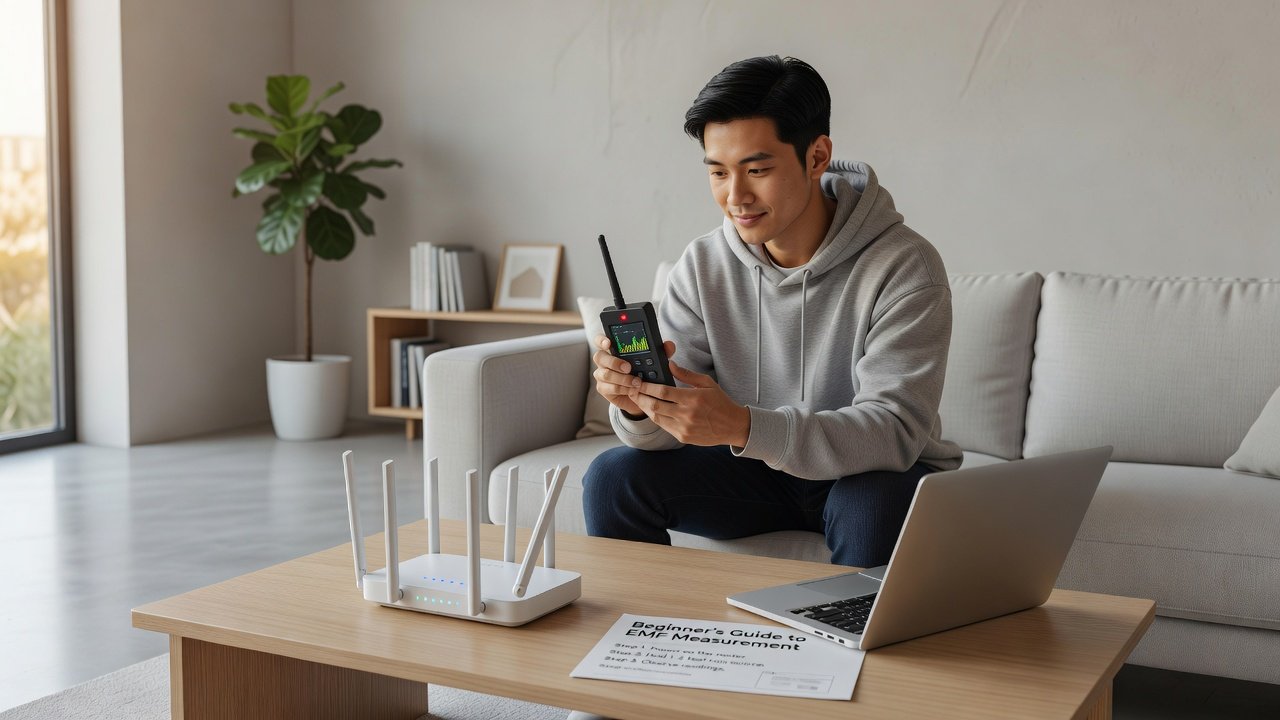
Begin your biohacking journey by mapping EMF sources in your home. Affordable tools include basic EMF meters available at electronics retailers or online marketplaces. These devices measure radiofrequency (RF) and extremely low frequency (ELF) fields. Walk through each room systematically, noting readings near outlets, routers, and electronics. Record data over several days to identify patterns, such as peak exposure during evening hours when devices are active. Focus on high-traffic areas first, including the kitchen with its array of appliances and the living room centered around entertainment systems. Compare morning versus evening measurements to account for usage fluctuations. This mapping process reveals hidden sources, such as smart meters or neighboring Wi-Fi signals, allowing targeted interventions without guesswork. Beginners often discover that one central router blankets multiple rooms, making relocation a high-priority fix. Document findings in a simple notebook or digital spreadsheet for ongoing reference and progress tracking.
Household Item Comparisons: Shielding Fabrics vs Repositioning
When addressing EMF sources, two primary strategies stand out: using shielding fabrics or simply repositioning items. Shielding fabrics, made from materials like silver-infused textiles, can block RF signals when placed over devices or windows. However, they require proper installation and may affect device functionality. Repositioning offers a cost-effective alternative. Moving a Wi-Fi router to a distant hallway or placing the bed away from electrical panels often yields similar reductions. Consider these factors in a comparison:
- Effectiveness: Repositioning eliminates exposure at the source, while fabrics provide localized blocking that works best in combination with distance.
- Cost and effort: Repositioning involves minimal expense and immediate results; fabrics add material considerations but suit renters unable to alter layouts.
- Long-term impact: Repositioning promotes permanent low-EMF habits, whereas fabrics may need periodic checks for wear or coverage gaps.
- Versatility: Fabrics adapt to various surfaces like curtains or device covers, yet repositioning addresses root causes across the entire zone.
For most beginners, starting with repositioning delivers quick wins before investing in specialized items. Avoid common pitfalls such as over-relying on fabrics without first testing baseline reductions through movement alone.
Real-Life Examples: Bedroom and Workspace Setups
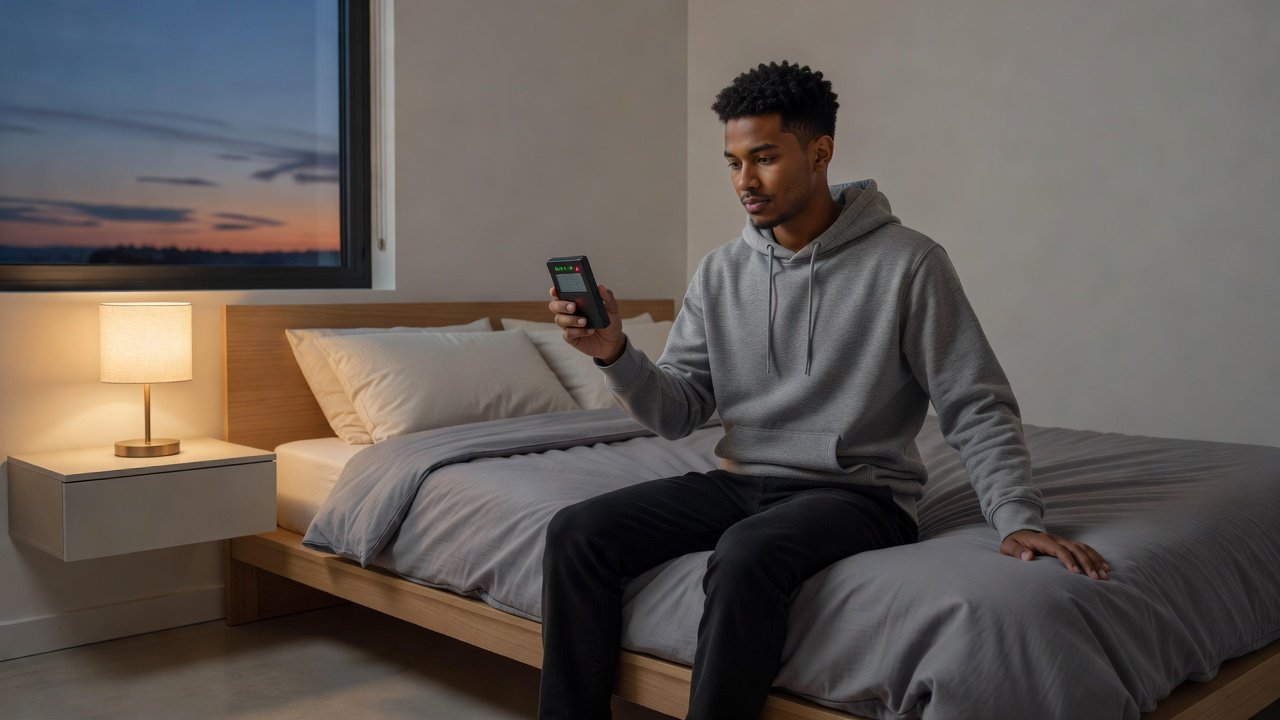
A typical low-EMF bedroom setup places the bed at least six feet from walls with wiring and eliminates cordless phones or alarm clocks near the headboard. Use wired internet connections where possible and power down devices overnight. In one example, a beginner relocated their router to the opposite end of the house, resulting in noticeably improved sleep quality within days. Another case involved a family apartment where the master bedroom faced a shared wall with a neighbor's smart meter; adding distance via furniture rearrangement and a simple fabric panel reduced readings substantially. Extend this to guest rooms or children's spaces by applying the same principles scaled to activity levels.
For workspaces, position desks away from computer towers and use wired keyboards and mice. Add a dedicated low-EMF corner with minimal electronics for focused tasks. One professional converted a home office by switching to ethernet and placing the monitor on a stand farther from the seating area, reporting enhanced concentration during long sessions. These setups integrate seamlessly into biohacking routines aimed at sustained energy levels and can be adapted to apartments or larger homes alike.
Simple 7-Day Implementation Routine
Follow this structured routine to build low-EMF zones progressively:
- Day 1-2: Map your home using an EMF meter and identify top three exposure hotspots while noting personal symptoms like energy dips.
- Day 3: Reposition the Wi-Fi router and test bedroom readings, then evaluate any immediate changes in room comfort.
- Day 4: Audit and unplug non-essential devices in the bedroom, replacing with battery-powered or wired alternatives where feasible.
- Day 5: Apply basic shielding to one window or wall if needed after confirming repositioning limits, and measure again.
- Day 6: Optimize the workspace with wired alternatives and create a device-free zone for breaks.
- Day 7: Review all zones, track personal energy notes, and refine adjustments while planning maintenance checks.
This routine emphasizes consistency and observation, key elements of effective biohacking. Incorporate daily journaling to correlate exposure reductions with subjective improvements in focus or rest.
Mistakes to Avoid for Beginners
New practitioners sometimes attempt complete elimination, leading to frustration when residual fields from external sources persist. Instead, prioritize zones used for sleep and work. Another error involves neglecting to retest after changes, as minor adjustments can shift readings unexpectedly. Overlooking smart home devices like voice assistants also undermines efforts; disable unnecessary features or relocate them. Finally, avoid combining multiple strategies simultaneously without baseline data, which obscures what truly works.
Downloadable Checklist and Next Steps
Track progress with a simple checklist covering device audits, zone mapping, and weekly reviews. Many beginners report enhanced focus and recovery after consistent implementation. Tie these practices to broader wellness goals like improved sleep and reduced fatigue for lasting benefits in energy optimization.
FAQs on Common Myths and Measurable Benefits
What are common EMF myths?
One myth suggests all EMFs are equally harmful; in reality, exposure levels and duration matter most according to established health frameworks. Another claims complete avoidance is necessary, but targeted reduction in key zones suffices for beginners. Some believe meters provide instant cures, yet they serve only as diagnostic tools within a larger routine.
What measurable benefits can beginners expect?
Users often notice better sleep patterns and steadier energy within one to two weeks. These align with biohacking principles for daily optimization and connect to resources from the Centers for Disease Control and Prevention on environmental health factors.
How does this fit into overall biohacking?
Low-EMF zones complement other hacks by creating a stable foundation for recovery, allowing practices like intermittent fasting or exercise to yield greater returns without environmental interference.
Conclusion
EMF biohacking through low-exposure home zones empowers beginners with straightforward tools for wellness enhancement. By mapping sources, comparing strategies, following a 7-day plan, and sidestepping common mistakes, you can create supportive environments that boost energy and align with modern health hacks. Start small, measure results consistently, and expand as needed for optimal outcomes in 2026 and beyond.
No comments yet. Be the first!