 Slow Bio Hack
Introduction to EMF Biohacking
In the pursuit of optimal wellness, biohackers are increasingly turning their attention to electromagnetic fields (EMF) as a key factor influencing sleep quality and daily energy levels. Everyday exposure from Wi-Fi routers, smartphones, and household appliances can disrupt natural circadian rhythms when levels accumulate over time. This beginner-friendly guide walks you through practical EMF meter testing to identify and mitigate sources in your home, providing actionable strategies that align with proven wellness principles for measurable improvements in recovery and focus.
Understanding search intent around practical hacks reveals a focus on low-cost, measurable improvements rather than complex interventions. By measuring exposure in bedrooms and workspaces, users often report better rest and sustained focus, extending core concepts of environmental optimization that support overall vitality.
Why Measure EMF Exposure in a Biohacking Context?
EMF consists of electric and magnetic fields generated by electrical devices operating at various frequencies. While not all exposure is harmful, prolonged proximity to high levels may contribute to fatigue or sleep disturbances according to ongoing research. Authoritative sources like the World Health Organization outline general guidelines on electromagnetic fields and their potential effects. Biohackers use meters to quantify levels and implement targeted reductions for personalized results that tie directly into energy optimization protocols.
Additional considerations include how modern homes integrate smart technology, increasing cumulative exposure. Tracking these fields allows for data-driven adjustments that complement other biohacking practices such as light exposure management and sleep hygiene routines.
Selecting the Right Entry-Level EMF Meter
Beginners should prioritize affordable, user-friendly meters that detect both electric and magnetic fields across common frequency ranges from 50 Hz up to several GHz. Popular options include basic tri-field detectors capable of simultaneous readings and digital models with LCD readouts plus audio alerts. When comparing, consider ease of calibration, battery life, and frequency coverage rather than advanced features reserved for specialists.
Look for devices that measure in milligauss or microtesla for magnetic fields and volts per meter for electric fields. Some models also include radiofrequency detection for wireless signals. Avoid overly complex professional tools until you master fundamentals through consistent home use. Real-world comparisons show that units with backlit displays perform better in low-light bedroom tests, while compact sizes aid portability during workspace scans.
Step-by-Step Testing Routines for Comprehensive Coverage
Bedroom Assessment Protocol
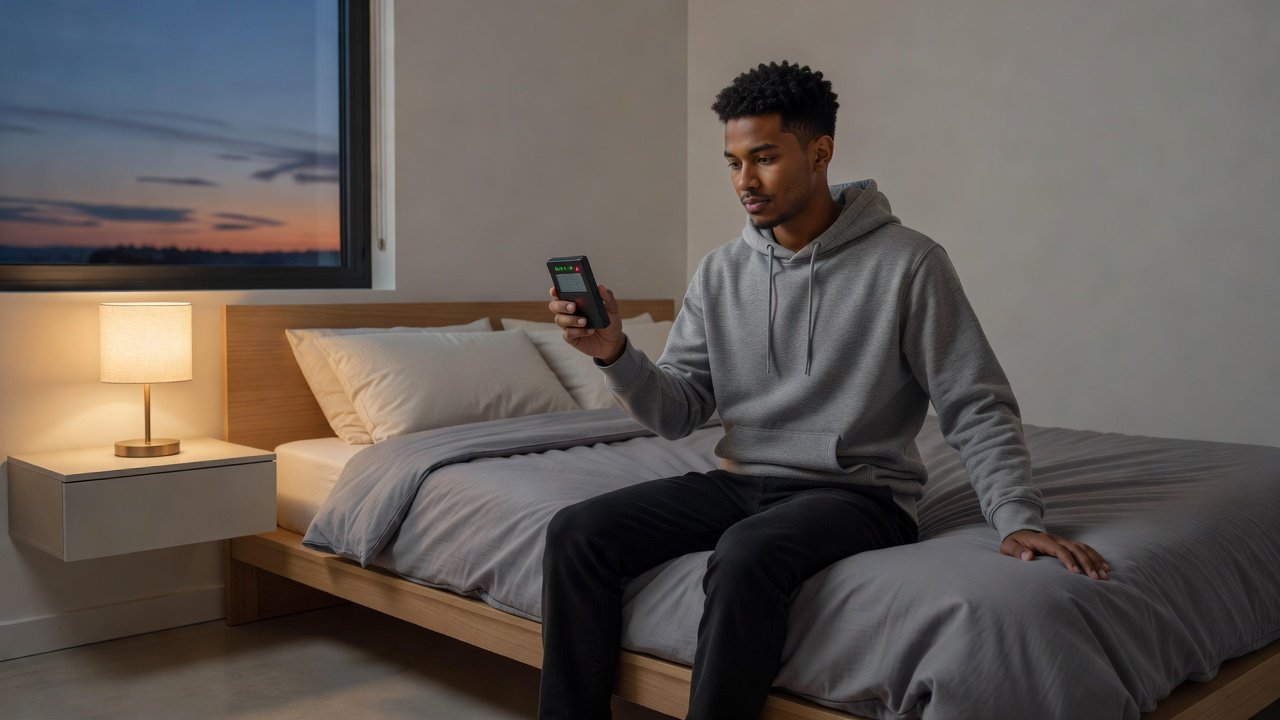
Start in the bedroom, as this space directly impacts recovery and overnight restoration. Turn on your meter and walk slowly around the bed at pillow height while noting readings near alarm clocks, lamps, and power outlets. Extend the scan to walls adjacent to neighbors' wiring or external power lines, pausing at each corner for 30 seconds to capture stable values. Document hotspots exceeding typical background levels and repeat the process with all devices powered on versus off.
Workspace Evaluation Techniques
At your desk, test near monitors, laptops, and charging stations by holding the meter at seated head level while devices are active and idle. Check under-desk power strips, Wi-Fi routers positioned nearby, and any smart home hubs. Repeat during peak usage hours for accurate snapshots, then compare against evening baseline measurements when the space is unoccupied.
Device-Specific Scans and Variations
Scan individual gadgets by holding the meter inches away during different operational modes. Smartphones in use often register higher readings during active calls or data transfers; test during calls versus standby and while streaming. Kitchen appliances like microwaves require distance testing from the front panel at 1-foot intervals. For apartments versus single-family homes, adjust scan paths to account for shared walls and common electrical infrastructure.
Real-Home Examples and Practical Insights
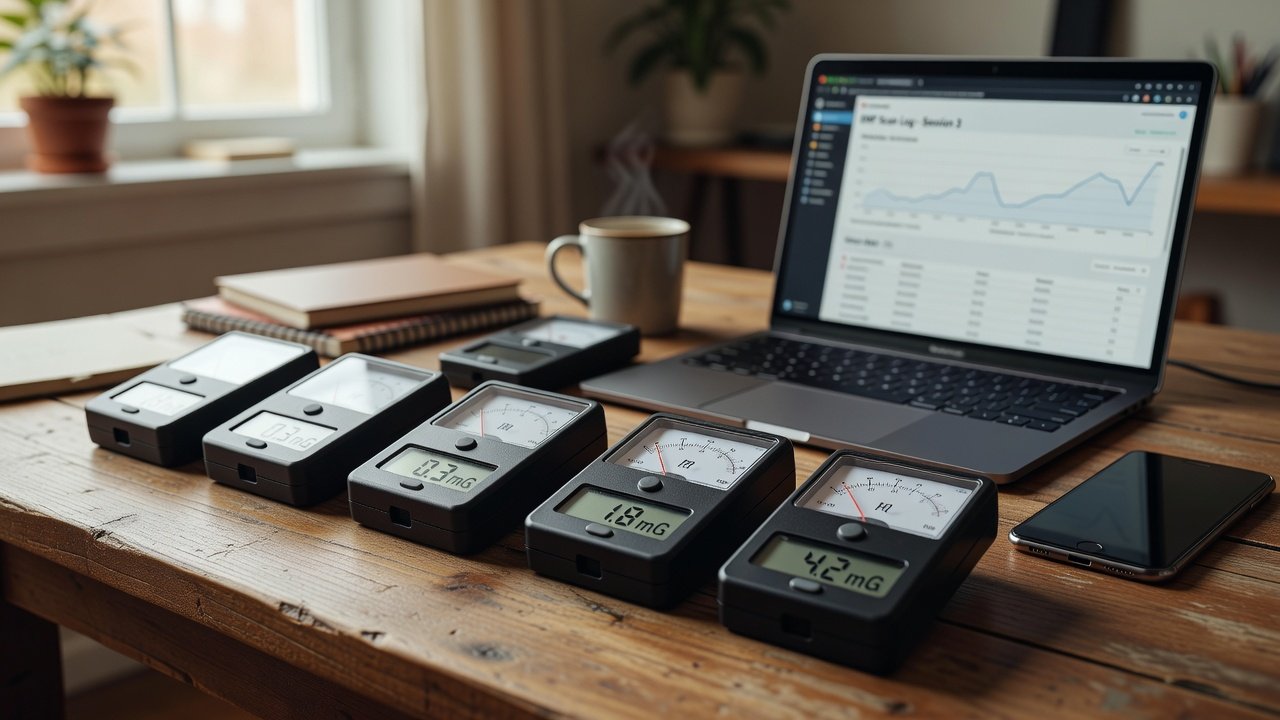
Consider a typical suburban home where the meter flagged elevated readings from a bedside lamp cord running along the wall. Relocating the lamp and using a longer extension cord reduced levels noticeably within minutes. In another case, a home office near a smart meter on an exterior wall showed consistent spikes during evening hours; adding physical distance and simple repositioning of the desk helped stabilize readings over a weekend. These examples highlight how small adjustments yield measurable improvements in daily environments, often leading to subjective reports of deeper sleep within days.
Further testing in multi-story dwellings frequently reveals vertical field leakage from lower-floor routers, prompting strategic placement changes that benefit all occupants.
Expanded 7-Day Action Plan with Tracking Methods
- Day 1: Purchase and familiarize with your meter through basic scans of living areas while recording initial observations in a dedicated notebook.
- Day 2: Map bedroom readings in detail, identify top three sources, and photograph locations for reference.
- Day 3: Test workspace thoroughly and note patterns during work hours, including any correlations with device usage logs.
- Day 4: Scan all major devices individually and log results across multiple time points throughout the day.
- Day 5: Implement initial distance changes based on collected data and retest affected zones immediately afterward.
- Day 6: Introduce simple shielding like repositioning routers or powering down unused electronics before sleep, then document any shifts.
- Day 7: Retest all primary areas, compare before-and-after values, and outline ongoing maintenance steps for sustained results.
Throughout the plan, maintain a simple spreadsheet or journal to track readings, changes made, and subjective notes on sleep quality or energy each morning.
Quick-Win Shielding Tips and Advanced Low-Cost Strategies
- Move Wi-Fi routers to less-used areas such as hallways and schedule automatic off times at night using built-in timers.
- Use wired connections where possible instead of wireless for computers and peripherals to minimize radiofrequency output.
- Position beds away from electrical panels, outlets, and shared walls while ensuring at least three feet of clearance from active devices.
- Employ grounded shielding fabrics or reflective materials for targeted coverage on walls behind desks or beds without major renovations.
- Power down unused electronics and enable airplane mode on phones during rest periods to further lower ambient fields.
- Consider ferrite beads on power cords for additional suppression of high-frequency noise in high-traffic zones.
FAQs on Safe Exposure Thresholds and When to Call Professionals
What are common safe exposure thresholds for home environments?
Background levels in homes often stay below 1 milligauss for magnetic fields during normal conditions, though individual sensitivity varies widely. Consult resources from the Environmental Protection Agency for broader context on environmental electromagnetic fields and recommended practices.
When should you call a professional for EMF assessment?
If readings remain consistently high after basic mitigation efforts or if you suspect underlying wiring issues in older buildings, consult a certified EMF consultant or licensed electrician. Professionals can perform detailed spectrum analysis beyond the capabilities of beginner meters and identify hidden sources.
How do EMF levels interact with other biohacking factors like blue light?
EMF exposure may compound effects from blue light by influencing melatonin production, so addressing both through device curfews and meter-guided placements creates synergistic benefits for sleep optimization.
Are there seasonal variations in home EMF readings?
Yes, increased use of heating or cooling systems during extreme weather can elevate magnetic field readings near HVAC units, warranting periodic retesting in different seasons.
Conclusion
EMF meter testing empowers beginners to take control of their biohacking journey with low-cost, evidence-based steps that deliver tangible results. By following structured routines, the expanded 7-day plan, and targeted shielding approaches, you can create environments that support better sleep and sustained energy throughout the day. Start small, measure consistently, refine your approach over time, and integrate findings with other wellness practices for lasting gains in overall performance and recovery.


No comments yet. Be the first!