 Slow Bio Hack

Introduction to mRNA Biohacking in 2026
As elite performance demands intensify in competitive sports and high-stakes training environments, mRNA-based interventions are emerging as cutting-edge tools for biohackers seeking enhanced recovery and metabolic efficiency. This approach moves beyond traditional therapies into experimental territories focused on precise genetic modulation for athletic gains. In 2026, advancements in delivery systems allow safer experimentation while emphasizing measurable outcomes and ethical boundaries. Athletes and researchers alike are exploring how these technologies can unlock superior endurance, strength, and resilience without relying solely on conventional training or supplementation methods. The growing interest stems from the ability to target specific cellular pathways that influence everything from muscle protein synthesis to oxygen transport efficiency.
Understanding mRNA Technology for Performance Optimization
mRNA biohacking leverages messenger RNA to instruct cells to produce specific proteins that support muscle repair, oxygen utilization, and energy metabolism. Unlike standard vaccines or approved medical treatments, these interventions target performance metrics such as faster lactate clearance and improved mitochondrial function. Researchers highlight the potential for personalized stacks that adapt to an athlete's genetic profile, allowing for fine-tuned enhancements. For instance, sequences can be designed to upregulate genes involved in angiogenesis, leading to better blood flow during intense efforts. This technology builds on foundational mRNA research but applies it creatively to non-clinical goals, requiring deep understanding of molecular biology to avoid unintended consequences.
Protocol Design Using Lipid Carriers
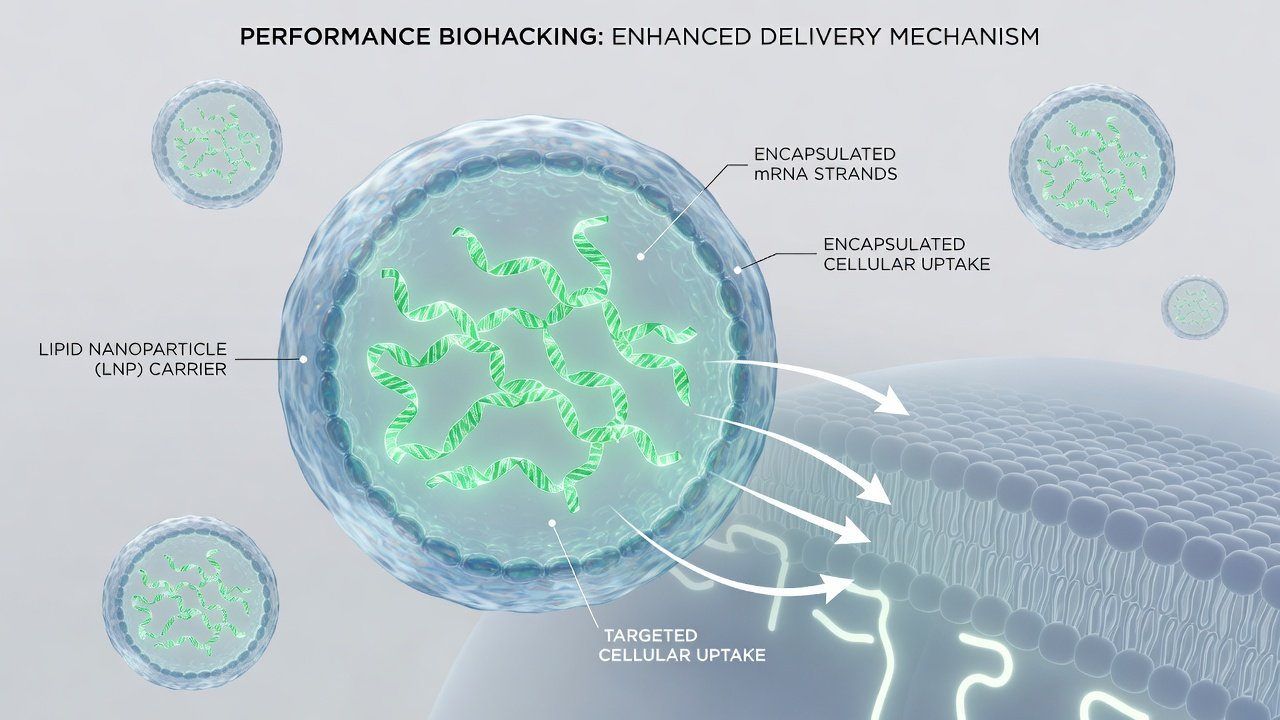
Lipid nanoparticles serve as the primary delivery mechanism, encapsulating mRNA for targeted cellular uptake. Effective protocols begin with selecting ionizable lipids that minimize immune activation while maximizing transfection rates. A typical design incorporates polyethylene glycol for stability and cholesterol for membrane fusion, creating robust carriers that withstand physiological conditions. Biohackers often combine these with custom mRNA sequences optimized for endurance or strength pathways, such as those promoting fast-twitch fiber development. Key considerations include carrier size under 100 nanometers for efficient biodistribution and pH-sensitive release mechanisms that trigger payload delivery inside cells. Integration with existing stacks requires careful timing to avoid overlapping inflammatory responses, often involving pre- and post-administration monitoring of cytokine levels. Practical examples include formulating carriers with helper lipids like DSPC to enhance encapsulation efficiency, tested through in vitro assays before human application.
Dosage Comparisons with Existing Biohacking Stacks
Comparing mRNA approaches to peptide or nootropic stacks reveals differences in onset and duration. mRNA protocols may offer sustained protein expression over days rather than hours, potentially reducing dosing frequency and allowing for more consistent performance uplifts. Elite users report synergistic effects when layering low-dose mRNA with established recovery compounds like creatine or branched-chain amino acids, though individual responses vary widely based on baseline biomarkers such as testosterone levels and inflammation markers. In practice, a comparison might show mRNA interventions providing longer-lasting metabolic shifts compared to short-acting peptides, making them suitable for multi-week training blocks. Users should track variables like heart rate variability to gauge compatibility and adjust accordingly.
Real-World Athlete Case Studies
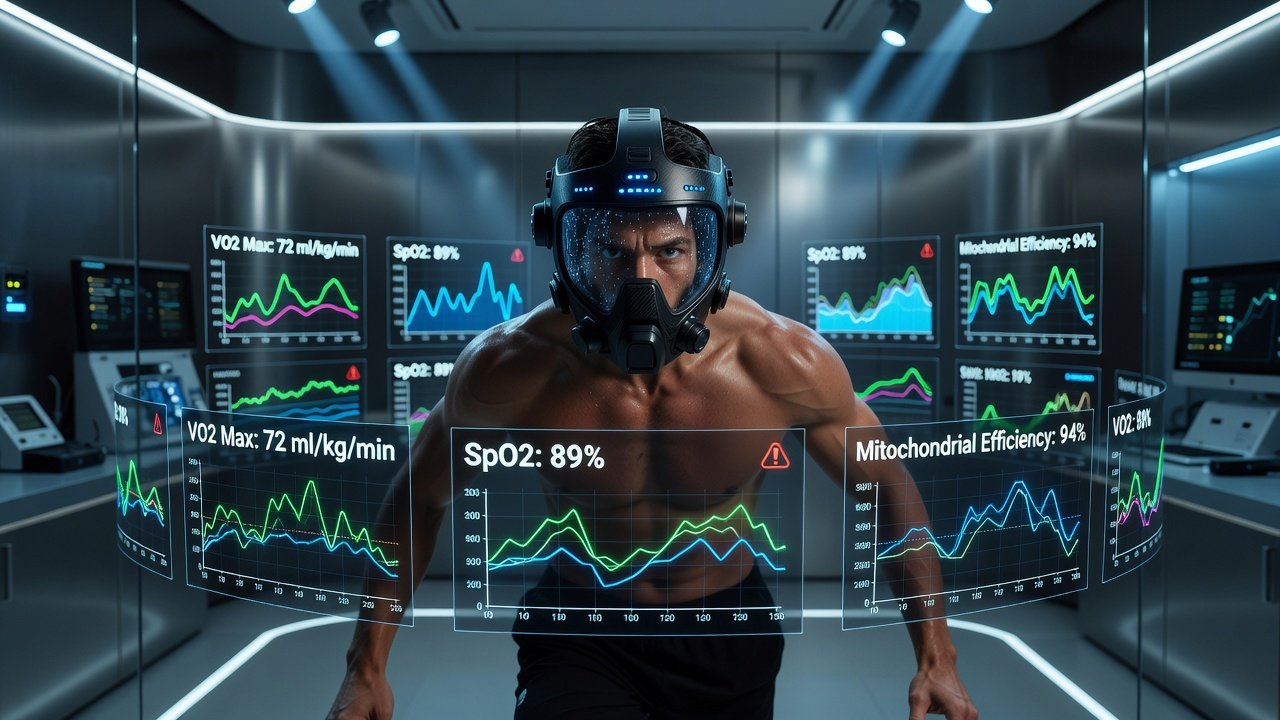
Case studies from competitive cyclists in 2026 demonstrate improved time-to-exhaustion metrics after tailored mRNA interventions focused on erythropoietin analogs. One professional cyclist reported a 12% increase in sustainable power output following a six-week protocol emphasizing lipid carriers for vascular growth factors. Similarly, an endurance runner noted enhanced VO2 max following a lipid carrier protocol emphasizing metabolic efficiency genes, with post-intervention testing showing better fat oxidation rates during long runs. A strength athlete experimenting with myostatin-related sequences experienced accelerated recovery between heavy lifting sessions, documented through reduced soreness and improved session volume. These examples underscore the importance of tracking via blood panels and performance logs before and after implementation, always under professional supervision to ensure safety and validity of results.
Integration with AI Monitoring Tools
AI platforms enable real-time analysis of genomic data, wearable outputs, and recovery scores to refine mRNA protocols dynamically. Machine learning models predict optimal dosing windows by correlating sleep patterns with inflammatory markers, often using data from devices like continuous glucose monitors and heart rate sensors. This integration supports proactive adjustments, helping athletes maintain peak states without overexertion. For example, an AI dashboard might flag elevated CRP levels and recommend delaying the next administration or modifying training load. Such tools also facilitate pattern recognition across multiple users, building anonymized datasets that inform better protocol iterations over time.
Step-by-Step Implementation Guide
- Consult specialized medical professionals for baseline genetic testing and risk profiling, including full blood work and genetic sequencing to identify potential contraindications.
- Design custom mRNA sequences aligned with performance goals using verified synthesis services, ensuring sequences target specific pathways like mitochondrial biogenesis without off-target risks.
- Prepare lipid carrier formulations with precise molar ratios for stability, incorporating quality control checks such as dynamic light scattering to verify particle size distribution.
- Administer via intramuscular or targeted routes under controlled conditions, starting with micro-doses to assess tolerance before scaling up.
- Monitor biomarkers daily for the first week, then weekly, adjusting based on AI insights and subjective feedback like energy levels and sleep quality.
- Document all variables including diet, training load, and subjective recovery for iterative refinement, creating a comprehensive log that supports data-driven decisions.
Risk Assessments and Ethical Considerations
Potential risks include off-target protein expression and transient immune responses that could lead to fatigue or inflammation if not managed. Thorough assessments involve evaluating long-term genomic stability through serial sequencing and consulting with experts on delivery system biocompatibility. Ethically, participants must prioritize informed consent and avoid competitive advantages that undermine fair play in regulated sports. Regulatory bodies stress transparency in experimental applications, urging practitioners to consider broader societal impacts. Mitigation strategies include phased rollouts with control groups and regular third-party audits of protocols. For authoritative guidance on genetic research ethics, refer to resources from National Institutes of Health, U.S. Food and Drug Administration, and World Health Organization.
Measuring Outcomes and Practical Tips
Success metrics encompass quantifiable improvements in power output, recovery time, and metabolic efficiency via lab testing such as DEXA scans and lactate threshold assessments. Athletes should establish control periods without interventions to isolate effects accurately. Common pitfalls include neglecting hydration protocols or ignoring cumulative fatigue signals, which can be avoided through structured journaling and periodic deload weeks. Additional tips involve combining mRNA approaches with proven fundamentals like periodized training and nutrition optimization for compounded benefits.
Frequently Asked Questions
Is mRNA biohacking legal for competitive athletes in 2026?
Regulations evolve rapidly; always verify with governing bodies like WADA before use in sanctioned events to ensure compliance.
What distinguishes experimental mRNA from approved therapies?
Experimental versions focus on non-therapeutic enhancements and lack formal regulatory approval for performance use, requiring extra caution.
How long do effects typically last?
Protein expression from mRNA can persist for several days to weeks depending on sequence design and carrier stability.
Are there specific dietary adjustments needed during protocols?
Yes, increasing anti-inflammatory foods and ensuring adequate protein intake supports the cellular processes initiated by mRNA interventions.
What monitoring equipment is recommended?
Wearables tracking HRV, sleep stages, and blood oxygen combined with periodic lab tests provide comprehensive oversight.
Conclusion
mRNA biohacking represents a frontier for elite optimization when approached with rigorous protocols, AI support, and ethical mindfulness. By focusing on measurable gains and safety, practitioners can explore these techniques responsibly for superior athletic outcomes in 2026 and beyond.

No comments yet. Be the first!