 Slow Bio Hack
Introduction to Hydrogen Inhalation in Elite Biohacking
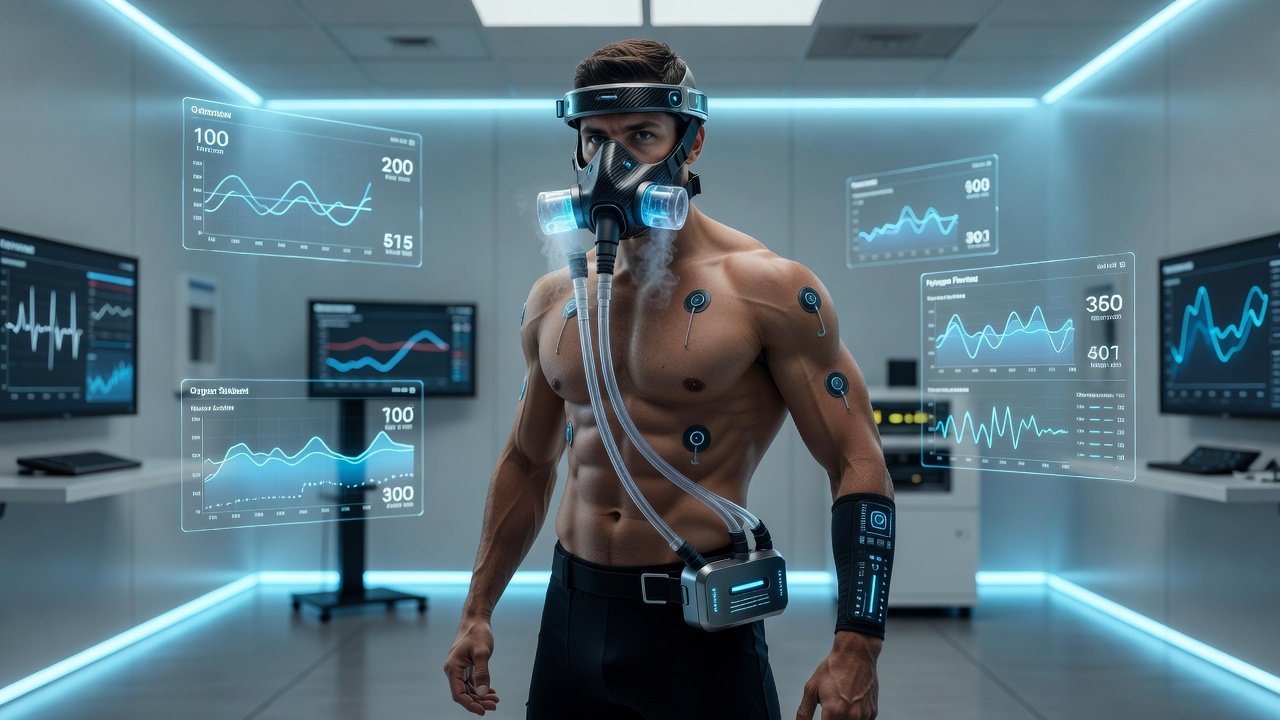
In 2026, hydrogen inhalation has emerged as a cutting-edge tool for advanced biohackers seeking non-invasive ways to enhance athletic output and accelerate recovery. Unlike traditional supplements, molecular hydrogen (H2) acts as a selective antioxidant, targeting only the most harmful reactive oxygen species without disrupting beneficial signaling pathways. This article delves into the latest performance experiments, practical protocols, and real-world applications for elite athletes pushing the boundaries of human performance. The search for innovative methods beyond standard supplements or training regimens has driven significant interest in this technology, particularly among professional cyclists, runners, and strength athletes who require rapid recovery between intense sessions.
The Science Behind Molecular Hydrogen's Selective Antioxidant Effects
Molecular hydrogen selectively neutralizes hydroxyl radicals and peroxynitrite while preserving nitric oxide and superoxide, which are essential for cellular communication and training adaptations. Research from institutions like the National Institutes of Health highlights its potential in reducing exercise-induced oxidative stress without the drawbacks of conventional approaches. Visit NIH for foundational studies. This selective mechanism allows athletes to mitigate damage from high-intensity efforts while maintaining the hormetic benefits of training stress that drive long-term gains. Detailed biochemical pathways show that H2 diffuses rapidly across cell membranes, including the blood-brain barrier, providing systemic anti-inflammatory effects that extend beyond muscle tissue to support neurological recovery as well.
Comparisons to Traditional Antioxidants
Traditional options like vitamin C or E can interfere with mitochondrial biogenesis when overused during training blocks. Hydrogen inhalation, by contrast, offers targeted support that complements rather than competes with endogenous antioxidant systems. Experiments demonstrate superior outcomes in preserving training adaptations compared to high-dose oral antioxidants, which sometimes blunt the very signaling molecules needed for adaptation. Athletes transitioning from broad-spectrum supplements often report sustained energy levels and fewer plateaus when incorporating hydrogen protocols.
Optimal Dosing Protocols from Recent Performance Experiments
2026 studies emphasize 30-60 minute sessions at 2-4% H2 concentration, performed 3-5 times weekly depending on training load. Athletes in controlled trials reported improved lactate clearance when sessions followed high-intensity intervals, with some protocols incorporating pre-workout inhalation to prime cellular resilience. Integration with wearable sensors allows real-time adjustments based on heart rate variability and oxygen saturation trends. Experimentation has revealed that timing inhalation immediately post-exercise yields the most consistent reductions in inflammatory markers across multiple cohorts.
Step-by-Step Setup for Home or Lab Use
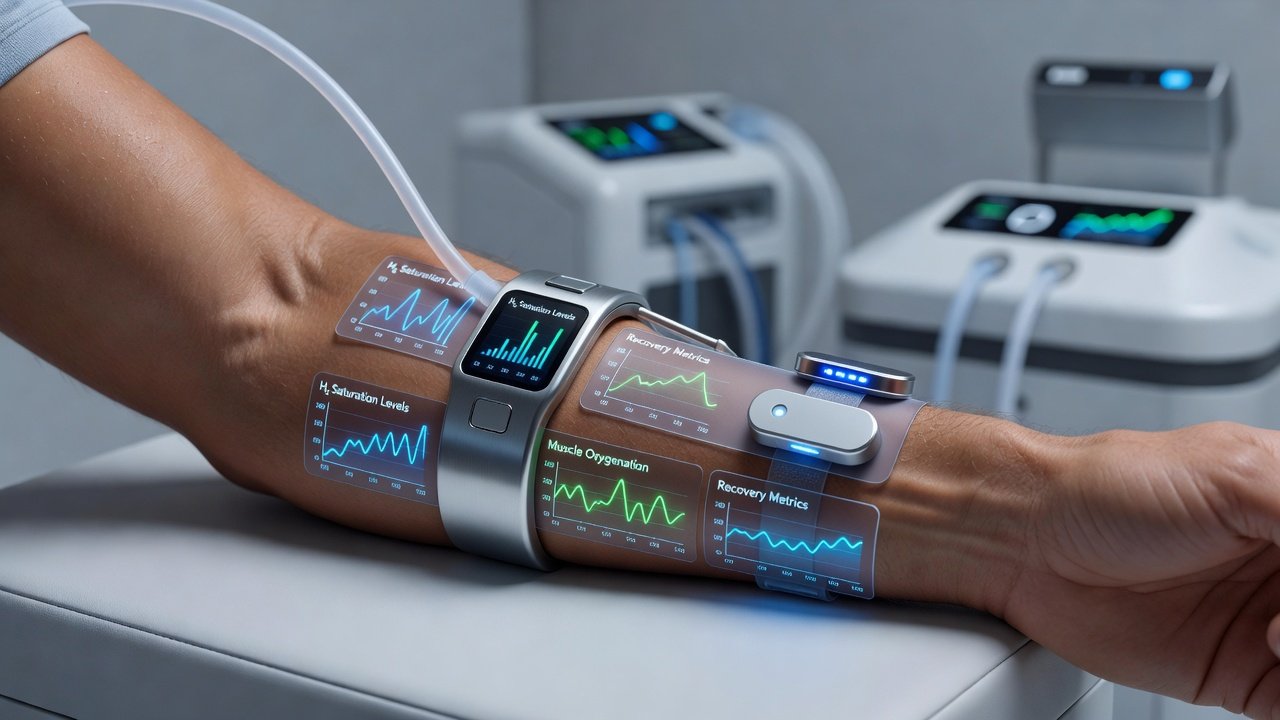
Setting up a hydrogen inhalation system requires careful attention to equipment quality and safety standards. Begin by selecting a medical-grade hydrogen inhaler certified for purity levels above 99.99 percent. Next, calibrate the flow rate to 300-500 mL/min using manufacturer guidelines and verify output with a calibrated gas analyzer. Pair the device with wearables such as chest straps or pulse oximeters to monitor physiological responses during each session. Schedule inhalation periods during post-workout recovery windows or on rest days to maximize benefits without interfering with training intensity. Track key metrics including recovery scores, sleep quality, and performance benchmarks over 4-6 weeks to refine personal response patterns. Always ensure proper ventilation in the usage area and maintain the device according to scheduled maintenance protocols.
Integration with Wearable Sensors for Real-Time Optimization
Advanced biohackers combine hydrogen inhalation with continuous data collection from devices tracking HRV, SpO2, and even muscle oxygen saturation. This integration enables dynamic protocol adjustments, such as extending session duration when lactate thresholds appear elevated based on prior workouts. Real-time feedback loops help identify optimal inhalation windows, reducing guesswork and accelerating progress. Many athletes log data in centralized platforms that correlate inhalation timing with subsequent VO2 improvements, creating personalized algorithms refined over months of experimentation.
Athlete Case Studies Showing VO2 and Lactate Improvements
Elite cyclists using hydrogen inhalation for 8 weeks saw average VO2 max increases of 4-7 percent alongside 15 percent faster lactate threshold shifts in lab testing. Runners in similar trials reported reduced perceived exertion during threshold efforts, with one marathon specialist noting a personal best improvement attributed partly to enhanced recovery capacity. Strength athletes observed quicker return to baseline power output after heavy lifting days. These gains were measured via repeated lab testing and corroborated by continuous wearable data streams, highlighting consistent patterns across endurance and power-based disciplines. Additional case examples from triathletes demonstrated reduced muscle soreness scores and improved sleep efficiency when protocols were stacked with light mobility work.
Potential Risks and Mitigation Strategies
While generally regarded as safe, mild dizziness can occur at higher concentrations or with improper device calibration. Mitigation includes gradual titration starting at lower flow rates, ensuring adequate room ventilation, and obtaining medical screening for any pre-existing respiratory conditions. Long-term users emphasize the importance of sourcing equipment from reputable manufacturers and avoiding unverified DIY setups that may introduce contaminants. Regular monitoring through blood work and performance logs helps detect any individual sensitivities early.
FAQs on Safety, Cost-Effectiveness, and Stacking
Is hydrogen inhalation safe for daily use?
Yes, when using certified devices and adhering to recommended concentrations, it demonstrates excellent safety profiles in recent trials conducted through 2026. Consult WHO resources on emerging health technologies for broader safety context.
How does it compare in cost-effectiveness to other recovery tools?
Devices represent a reusable investment that often proves economical over time compared to recurring purchases of other modalities, though individual budgeting depends on usage frequency and training demands.
Can it be stacked with other elite optimization techniques?
It stacks effectively with red light therapy, controlled cold exposure, and personalized nutrition plans, creating synergistic effects on inflammation control and mitochondrial function. Athletes frequently combine it with sleep optimization tools for compounded recovery benefits.
Conclusion
Hydrogen inhalation represents a promising frontier in 2026 biohacking for those pushing athletic limits. By combining scientific understanding with data-driven protocols and wearable integration, athletes can unlock measurable performance and recovery advantages that complement existing training methodologies.


No comments yet. Be the first!