 Slow Bio Hack
Introduction: Embracing Slow Living as a Teacher
Teaching remains one of the most demanding professions, with educators juggling lesson planning, classroom management, grading, and administrative tasks daily. In 2026, many teachers seek sustainable ways to manage this pressure through slow living routines that prioritize mindfulness and intentional pacing. Slow living for teachers involves weaving deliberate pauses and focused awareness into high-pressure schedules rather than adding more tasks. This approach helps cut stress levels while maintaining professional effectiveness. Research from authoritative sources like the World Health Organization highlights how chronic workplace stress contributes to burnout, making mindful habits essential for long-term well-being.
Unlike rushed traditional methods that emphasize speed and multitasking, slow living encourages presence and reduces the mental load. Teachers who adopt these practices report higher job satisfaction and better student outcomes. This comprehensive guide explores step-by-step implementation, real educator examples, detailed comparisons to conventional rushed approaches, and practical solutions for common barriers such as time constraints and grading overload.
Mindful Morning Routines for Teachers
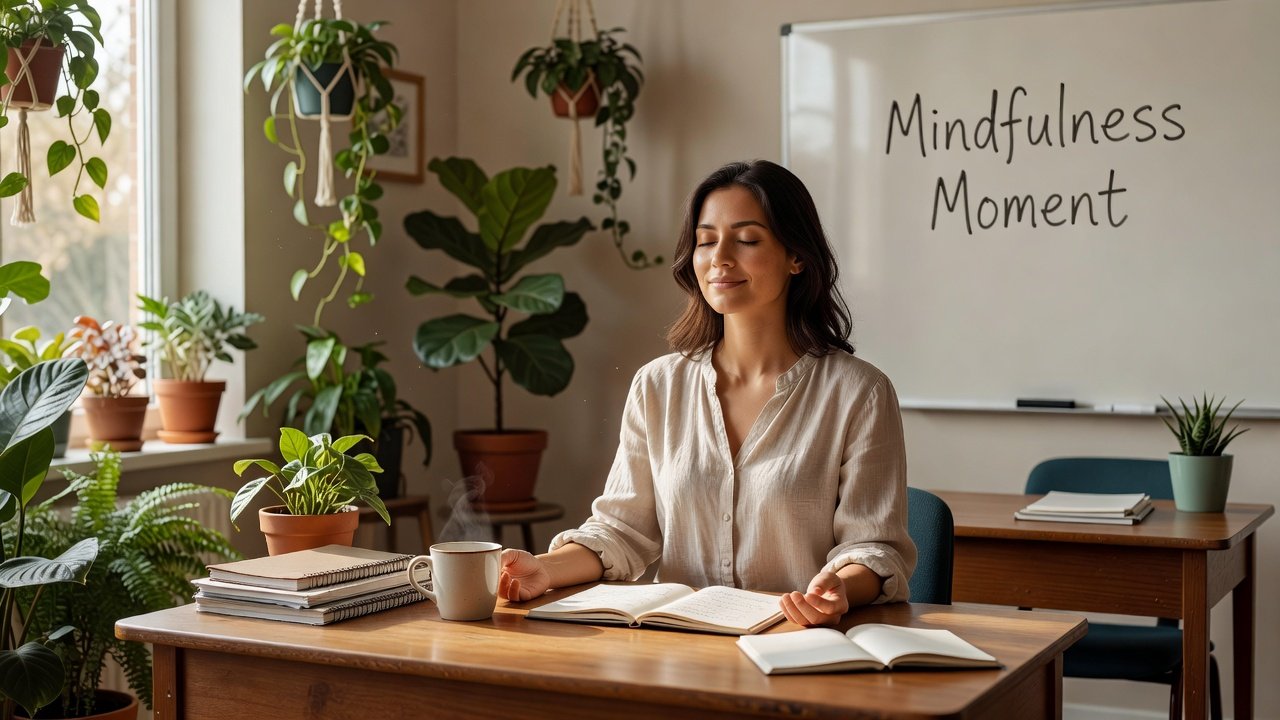
Starting the day slowly sets a calm tone that carries through demanding hours. Instead of checking emails or social media immediately upon waking, dedicate the first 10 to 15 minutes to breathwork or gentle stretching. A practical routine includes waking 15 minutes earlier for a short meditation focused on gratitude for the upcoming teaching day. This counters the typical rush of preparing materials while eating breakfast on the go and helps regulate cortisol levels naturally.
Implementation steps include: set a consistent wake-up time aligned with your natural rhythm; practice five minutes of mindful breathing using apps or simple counting techniques; journal one clear intention for the day such as staying patient during transitions; and prepare a simple nourishing breakfast mindfully without screens. Real educators, such as middle school teachers in urban districts, have shared how this reduces morning anxiety and improves focus during first-period classes. One high school English teacher noted that after three weeks of consistent practice, her energy lasted longer into after-school meetings.
Mindful Lesson Preparation Techniques
Traditional lesson prep often involves frantic multitasking late at night with multiple tabs open and constant interruptions. Slow living transforms this into a focused, single-task activity that enhances creativity and reduces errors. Schedule 45-minute blocks with no distractions, using techniques like the Pomodoro method adapted for mindfulness—work intently then pause for three deep breaths and a short walk around the room.
Compare this to rushed methods: quick prep leads to overlooked details, higher stress, and lessons that feel disconnected from student needs, while mindful prep incorporates sensory awareness such as noting the texture of papers or the scent of coffee nearby. Step-by-step guide: choose one subject area, review learning objectives mindfully while visualizing student engagement, gather materials in an organized sequence, and end the session with a brief reflection on what went well. This builds confidence without overwhelm and often results in higher-quality materials that require fewer revisions later.
Calm Classroom Transitions
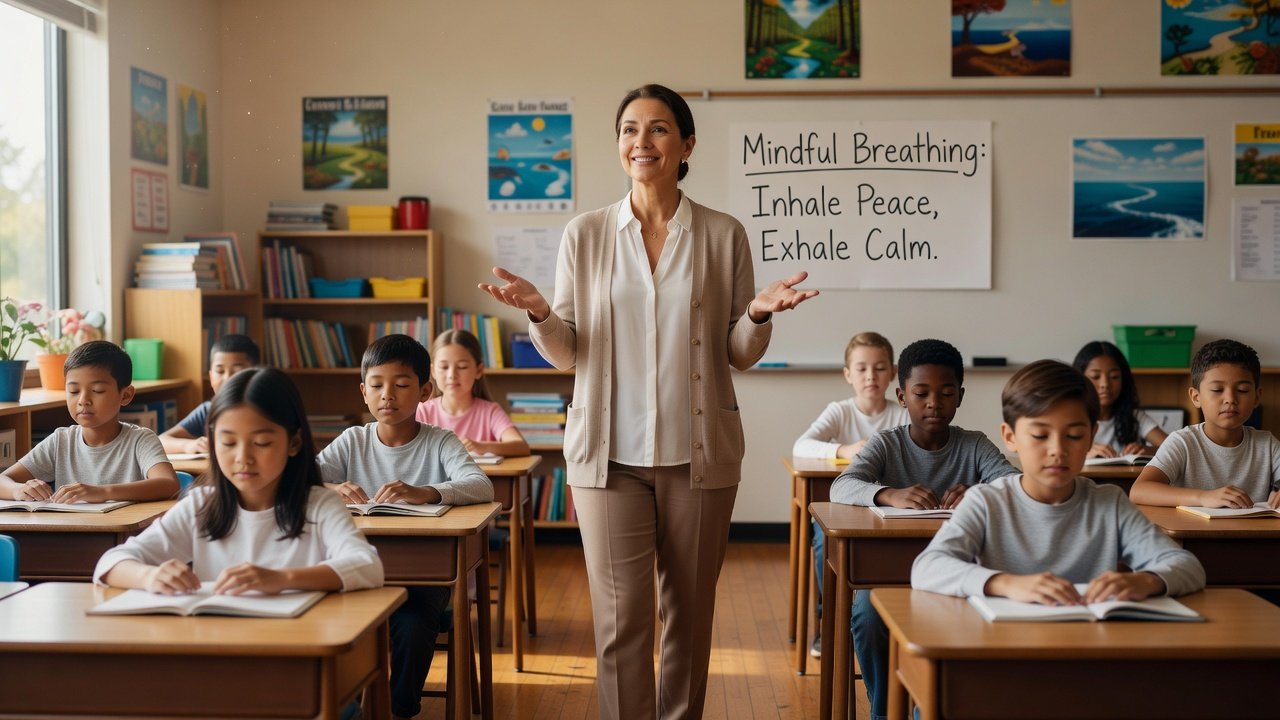
Transitions between classes or activities often spike stress for both teachers and students, leading to lost instructional time and behavioral issues. Incorporate slow living by using two-minute mindful resets: dim lights slightly if possible, guide a collective breathing exercise, or play soft instrumental music while students settle. These practices create a predictable rhythm that signals safety and focus.
Examples from real educators show that these pauses prevent escalation of minor disruptions and improve overall classroom climate. A fourth-grade teacher in a large public school implemented a simple bell chime followed by three breaths and observed fewer arguments during line-ups. Unlike rushed transitions that involve shouting instructions over noise, mindful ones foster a supportive environment where students learn self-regulation skills alongside academics. Practical tip: prepare transition cues in advance during prep time to avoid last-minute scrambling, and involve students in co-creating signals for ownership.
End-of-Day Reflections and Wind-Down
After school hours, avoid immediate grading marathons that drain remaining energy. Instead, spend 10 minutes reflecting on three positive moments and one area for gentle improvement. This practice, drawn from mindfulness principles, helps process the day's events without rumination and supports emotional closure before heading home.
Implementation involves keeping a dedicated notebook or digital document, writing freely without judgment, then closing it intentionally with a short gratitude statement. Teachers report this reduces evening anxiety and improves sleep quality compared to traditional methods of pushing through exhaustion until late hours. Over time, patterns emerge that highlight recurring stressors, allowing proactive adjustments rather than reactive fixes.
Mindful Grading and Administrative Tasks
Grading overload is a major source of teacher burnout. Apply slow living by batching tasks mindfully: set a timer for focused 25-minute sessions followed by short walks or stretches. Use single-tasking instead of switching between papers and emails. Create a calm environment with soft lighting and perhaps a cup of tea to make the process more sustainable.
Practical comparison shows rushed grading at night leads to inconsistent feedback and fatigue, while mindful sessions produce thoughtful comments that benefit students more. Step-by-step: review a small stack, pause to stretch, note any insights for future lessons, and stop at a predetermined time. This prevents the all-or-nothing cycle that leaves many educators working weekends.
Overcoming Common Barriers and FAQ
Many teachers cite lack of time as the primary barrier. Address this by integrating micro-practices such as mindful handwashing between periods or brief body scans while walking hallways. For grading overload, batch tasks and communicate boundaries with colleagues or administrators. Building a small support network of like-minded educators can provide accountability and shared ideas.
FAQ addressing common concerns: How do I start if my schedule is packed? Begin with one routine like morning breathing and build gradually over weeks. What if students resist mindful transitions? Introduce them slowly with explanations of benefits, leading to better engagement over time. Can slow living work during testing season? Yes, by shortening practices to one minute and focusing on presence during high-stakes moments. How does this compare long-term to traditional rushed methods? Studies and educator reports indicate lower burnout rates and sustained career satisfaction when mindfulness is prioritized.
Long-Term Benefits and Building Sustainable Habits
Over months and years, these routines compound to improve physical health, emotional resilience, and professional longevity. Teachers practicing slow living often report stronger relationships with students and colleagues because presence allows deeper listening. For additional evidence-based strategies, consult resources from the American Psychological Association on workplace mindfulness. Another valuable reference is available through National Institutes of Health publications on stress reduction techniques suitable for educators.
Start small today with one practice and track personal changes in stress levels. The shift from constant rushing to intentional pacing creates space for renewed purpose and prevents the exhaustion that leads many talented teachers to leave the profession prematurely.
No comments yet. Be the first!