 Slow Bio Hack
Introduction to Family Slow Living Routines
In today’s fast-paced world, busy families often struggle with constant stress from school runs, work deadlines, and digital distractions. Slow living offers a powerful antidote by emphasizing presence, connection, and intentional pacing. This approach helps reduce collective anxiety while building mindfulness skills that benefit both parents and children. Research from institutions like the American Psychological Association highlights how shared mindful practices can lower cortisol levels and improve emotional regulation across family members.
Adopting family slow living routines in 2026 means creating simple, repeatable habits that fit into real schedules rather than adding pressure. Below you will find detailed, step-by-step instructions for three core practices: family gratitude circles, unhurried meals, and nature walks. Each includes age-adapted examples for younger children and teens, plus strategies for overcoming resistance.
Benefits Backed by Mindfulness Research
Studies consistently show that regular family mindfulness activities enhance emotional bonds and decrease stress. A 2024 review by Harvard Health Publishing noted improvements in sleep quality and attention spans when families practiced together for just 10–15 minutes daily. These routines also teach kids valuable self-regulation skills that support academic performance and teen mental health. Parents report feeling more connected and less overwhelmed, creating a positive feedback loop at home.
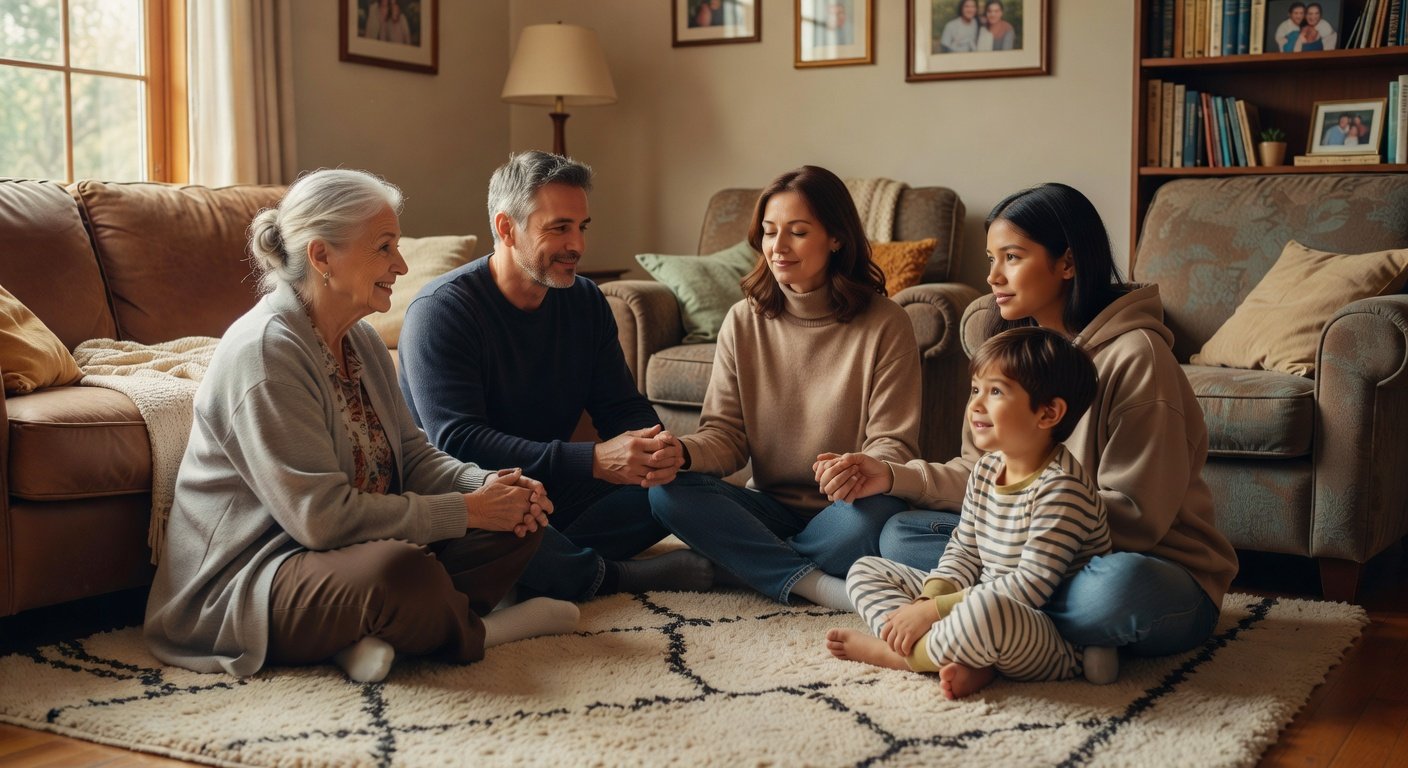
Creating a Family Gratitude Circle
Gratitude circles provide a low-pressure way to end each day with reflection and appreciation.
Step-by-Step Instructions
- Choose a consistent time, such as after dinner or before bedtime.
- Gather everyone in a comfortable circle, phones silenced.
- Each person shares one thing they felt grateful for that day.
- Encourage brief explanations to deepen the practice.
- Close with a collective deep breath or simple affirmation.
Age-Adapted Examples
- Young children (ages 4–8): Use picture cards or simple prompts like “What made you smile today?” to keep participation fun and short.
- Teens (ages 13–18): Invite deeper sharing about challenges overcome or personal growth moments to respect their developing emotional awareness.
If resistance arises, start with one-sentence shares and gradually expand. Consistency matters more than length.
Practicing Unhurried Family Meals
Shared meals without screens create natural opportunities for conversation and presence.
Step-by-Step Instructions
- Set the table together 15 minutes before eating.
- Begin with a short breathing exercise or moment of silence.
- Encourage each person to describe one aspect of the meal using their senses.
- Keep conversation light and inclusive, avoiding screens or multitasking.
- End by expressing thanks for the food and company.
Practical tip: Prepare simpler recipes on busy evenings so the focus stays on connection rather than perfection. Research from Harvard Health Publishing links regular family meals to better long-term mental health outcomes.
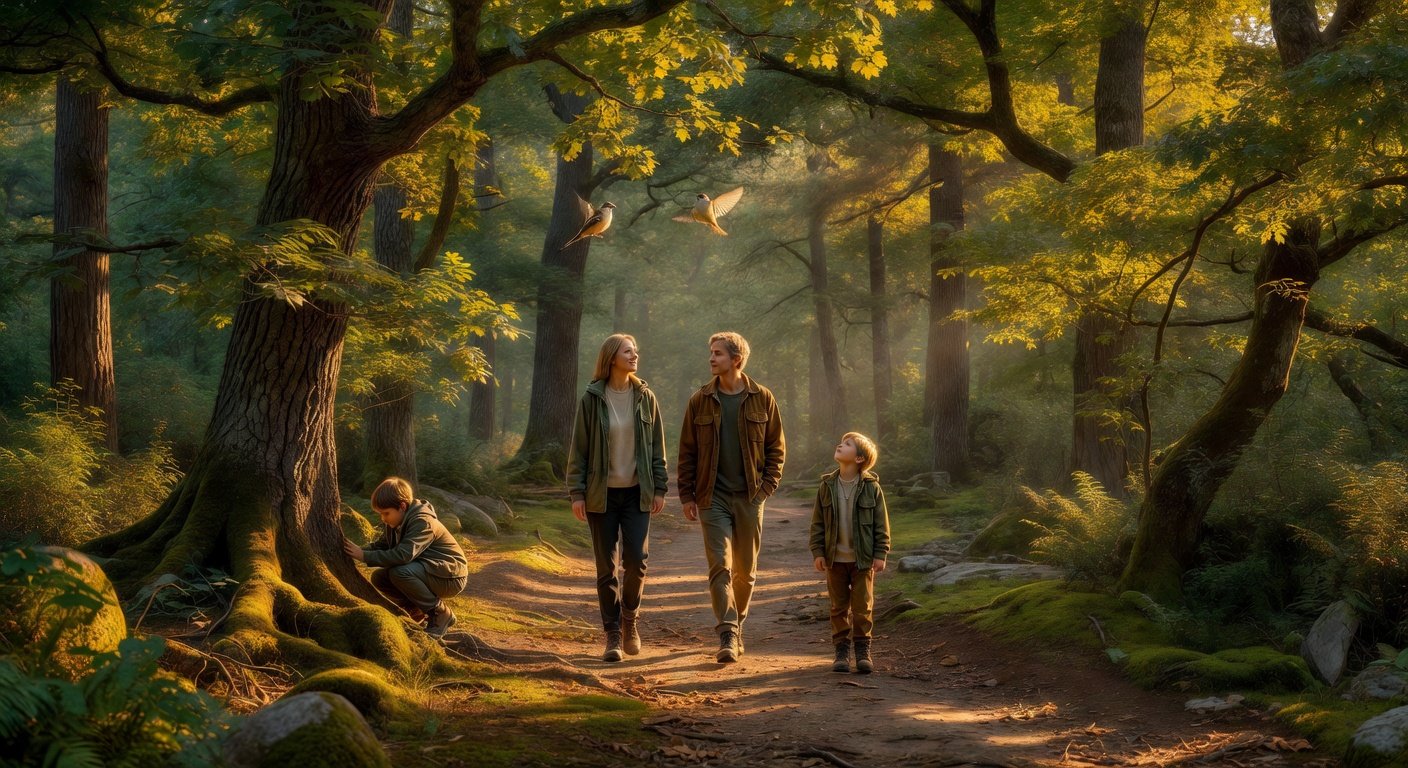
Enjoying Mindful Nature Walks
Getting outdoors slows the nervous system and encourages sensory awareness.
Step-by-Step Instructions
- Select a nearby park or trail and commit to 20–30 minutes.
- Walk at a relaxed pace, pausing to notice sounds, textures, and colors.
- Use guided prompts such as “What do you hear right now?” or “Describe the sky.”
- Allow moments of silence alongside gentle discussion.
- Finish with a group stretch or shared observation about the experience.
Age-Adapted Examples
- Young children: Turn the walk into a scavenger hunt for leaves, rocks, or insects.
- Teens: Encourage them to lead part of the route or photograph interesting details to share later.
For families with packed calendars, schedule walks on weekends first, then add one weekday evening when possible. More guidance on outdoor mindfulness is available at Mindful.org.
Handling Resistance and Tight Schedules
Common objections include “We’re too busy” or “The kids won’t sit still.” Counter these by starting with micro-versions: a two-minute gratitude share or a five-minute backyard walk. Involve children in planning to increase buy-in. Use visual reminders like a family calendar sticker system. If one parent works late, adapt by holding a shorter circle via video call or shifting the routine to mornings.
7-Day Family Routine Planner Template
Use this simple weekly template to build consistency. Adjust times to suit your household.
- Monday: Gratitude circle after dinner (10 min)
- Tuesday: Unhurried breakfast together (15 min)
- Wednesday: Short evening nature walk (20 min)
- Thursday: Gratitude circle before bed (8 min)
- Friday: Screen-free family meal with sensory sharing (25 min)
- Saturday: Longer weekend nature walk with teen-led prompts (30 min)
- Sunday: Reflection and planning next week’s routines (15 min)
FAQs on Sustaining Slow Living Habits
How do we keep routines going during school exams or work deadlines?
Shorten sessions to five minutes and focus on one practice only. The key is maintaining the ritual rather than the duration.
What if one family member refuses to participate?
Model the behavior yourself without pressure. Many reluctant members eventually join once they notice the calmer atmosphere.
Are these routines suitable for blended or single-parent families?
Absolutely. Adapt group size and timing to fit your unique dynamic while preserving the core elements of presence and gratitude.
Conclusion
Family slow living routines provide lasting tools for mindful stress relief that grow stronger with practice. By weaving gratitude circles, unhurried meals, and nature walks into daily life, families create meaningful connections and build resilience. Start small, stay consistent, and watch your household transform in 2026.


No comments yet. Be the first!