 Slow Bio Hack
Why Evening Slow Living Routines Matter in 2026
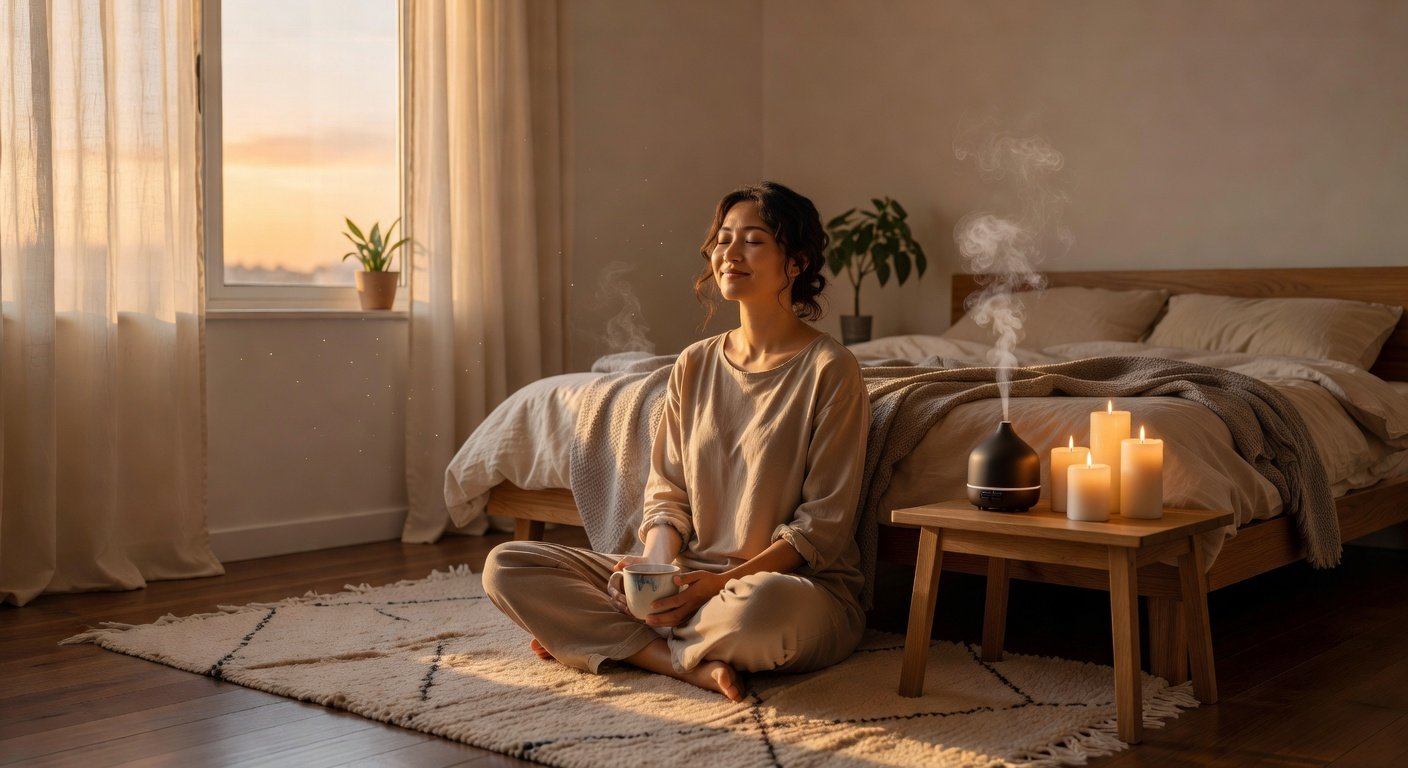
In our fast-paced 2026 world, where endless notifications and hustle define the day, evenings offer a sacred pause. Slow living isn't about doing less; it's about savoring the present with intention. Evening slow living routines cultivate mindfulness, melting away daily stress and paving the way for restorative sleep. These practices promote emotional balance, reduce cortisol levels, and foster sustained calm, countering the burnout epidemic.
Research from institutions like the Mayo Clinic highlights how chronic stress disrupts sleep and mental health. By adopting mindful unwinding rituals, you transition from chaos to tranquility, enhancing overall well-being. This guide dives deep into practical, step-by-step routines, real-life examples, and tips tailored for modern lifestyles.
The Science Behind Slow Living for Stress Relief
Slow living draws from mindfulness traditions, activating the parasympathetic nervous system—the 'rest and digest' mode. Evening practices lower heart rate variability, improve emotional regulation, and boost serotonin production. A study referenced by Harvard Health shows that just 10 minutes of mindful breathing nightly can reduce anxiety by 20%.
Benefits include:
- Deeper, uninterrupted sleep cycles
- Heightened emotional resilience against daily triggers
- Improved focus and creativity the next day
- Long-term reductions in inflammation linked to stress
In 2026, with AI-driven workdays extending into evenings, these routines are essential for reclaiming your night.
Building Your Evening Slow Living Routine: A 7-Step Guide
Start small—commit to 30 minutes nightly. Consistency trumps perfection. Here's a customizable 7-step framework, adaptable for beginners or pros.
- Digital Sunset (5-10 minutes): At a fixed time, say 8 PM, power down screens. Blue light suppresses melatonin; use apps or habits to enforce this. Dim lights to signal your body it's wind-down time.
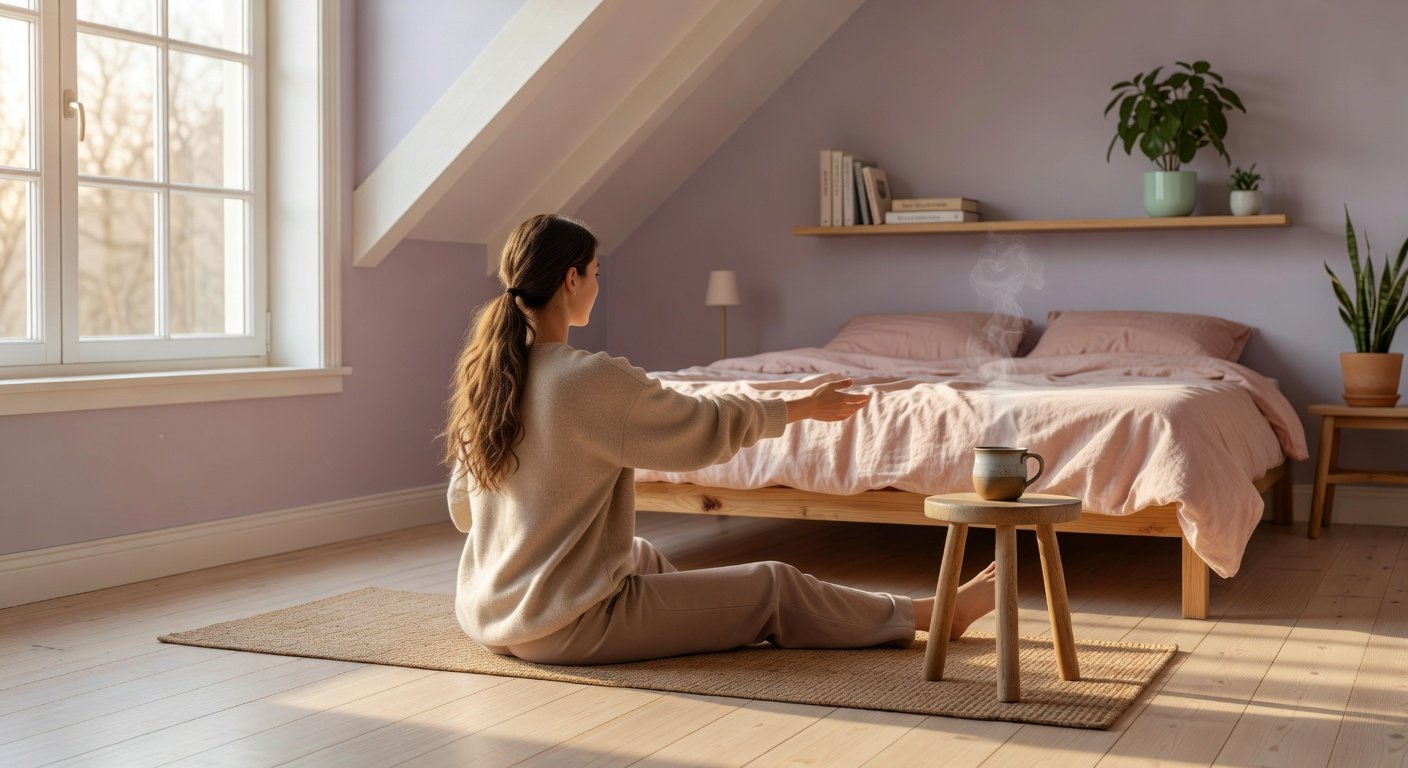
- Gentle Movement (10 minutes): Opt for yin yoga or slow stretches. Poses like child's pose or legs-up-the-wall release tension without energizing you.
- Aromatic Unwinding (5 minutes): Light lavender or chamomile essential oils. Their scents calm the amygdala, per WHO mental health resources.
- Breathwork Practice (5-10 minutes): Try 4-7-8 breathing: inhale 4 seconds, hold 7, exhale 8. Repeat 4 cycles to activate vagus nerve calming.
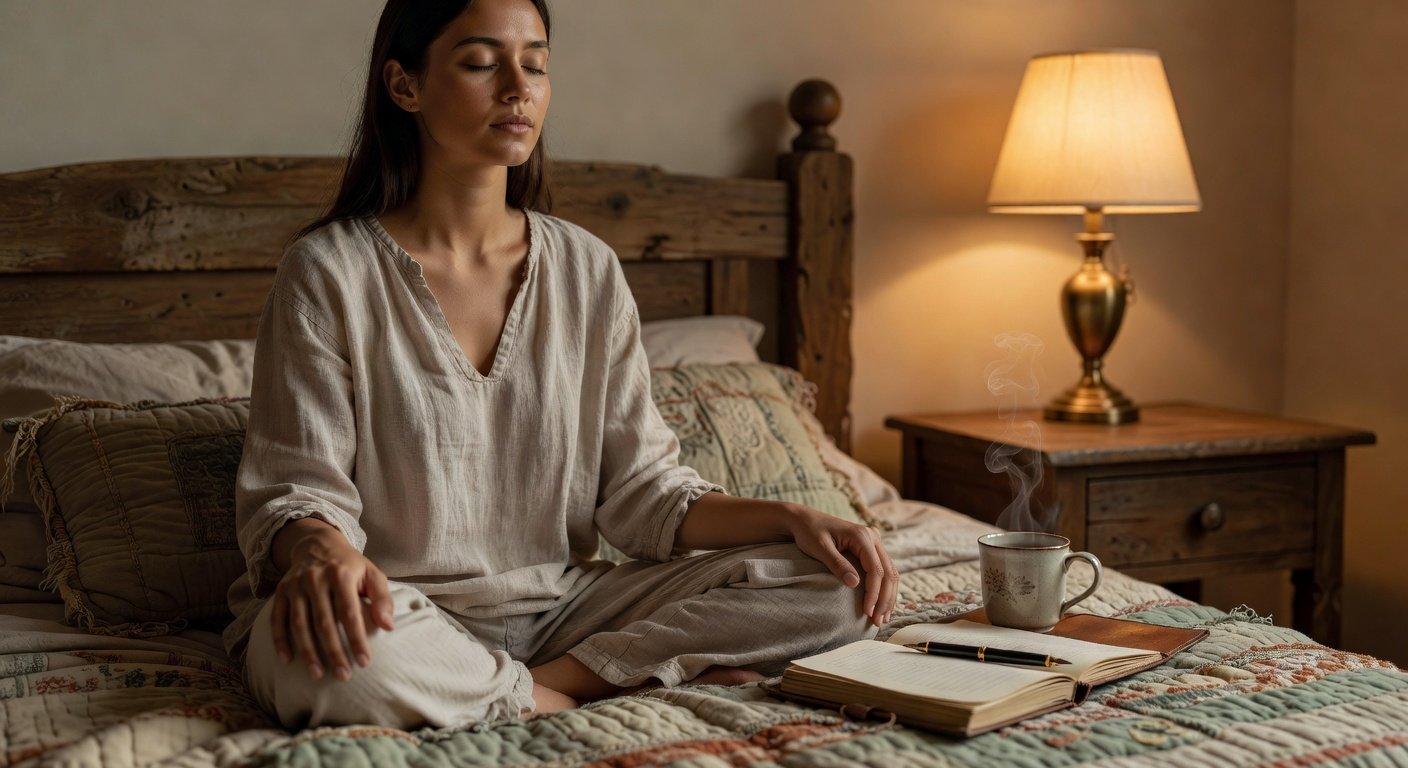
- Screen-Free Reflection (10 minutes): Journal three gratitudes or tomorrow's intentions. This shifts mindset from worry to wonder.
- Nourishing Ritual (5 minutes): Sip herbal tea like valerian root, avoiding caffeine post-2 PM.
- Bedtime Anchor (2 minutes): Read fiction or listen to a guided meditation, ending with a body scan.
Customizing for Your Lifestyle
Parents might integrate kid bedtime stories as reflection. Remote workers could add a 'desk ritual' closure. Track progress in a journal to refine—aim for 80% adherence weekly.
Key Breathwork Techniques for Evening Calm
Breathwork is the cornerstone of slow living. Beyond 4-7-8, try:
- Box Breathing: 4-count inhale, hold, exhale, hold. Used by Navy SEALs for stress; ideal post-commute.
- Alternate Nostril Breathing (Nadi Shodhana): Balances hemispheres, reducing overthinking. Close right nostril, inhale left; switch.
- Coherent Breathing: 5 breaths per minute. Apps guide this, syncing heart-brain coherence.
Example: Sarah, a tech exec, swapped scrolling for 10-minute box breathing. Within weeks, her sleep score (via wearable) jumped 25%, and morning anxiety vanished.
Screen-Free Reflection: Journaling Prompts and Tips
Ditch the phone for paper. Prompts like "What nourished me today?" or "One act of kindness I gave/received" build positivity. Avoid to-do lists—keep it light.
Mistakes to avoid:
- Judging entries; it's release, not perfection.
- Overloading with details; brevity sustains the habit.
- Evening problem-solving; save for morning.
Gentle Unwinding Rituals with Sensory Focus
Engage senses mindfully:
- Warm Bath or Foot Soak: Epsom salts for magnesium absorption, easing muscles.
- Progressive Muscle Relaxation: Tense-release from toes to head.
- Sound Bath: Tibetan bowls or nature sounds via speaker (screen off).
Combine with dim, warm lighting (<2700K Kelvin) to mimic sunset.
Common Pitfalls and How to Overcome Them
Even pros slip. Here's how to stay on track:
| Pitfall | Solution |
|---|---|
| Skipping due to fatigue | Shorten to 10 minutes; momentum builds energy. |
| Partner resistance | Co-create routines; try couple's breathwork. |
| Inconsistent timing | Anchor to dinner or sunset alarms. |
| Boredom | Rotate practices monthly. |
Real-Life Success Stories
Meet Alex, a freelancer overwhelmed by deadlines. His routine: 9 PM digital sunset, yoga, gratitude journal. Result? Sleepless nights gone, productivity up 30%. Or Lisa, post-pandemic remote mom: Breathwork + tea ritual restored her calm amid chaos.
Measuring Progress and Long-Term Integration
Track via journal or apps (anonymously). Metrics: Sleep quality, mood scale (1-10), stress incidents. After 21 days, habits wire in. In 2026, integrate with wearables for biofeedback, but prioritize feeling over data.
FAQs on Evening Slow Living Routines
Q: How soon do I see benefits?
A: Many notice calmer evenings in 3-7 days; full sleep gains in 2 weeks.
Q: Can I do this with a newborn?
A: Yes—micro-routines like 2-minute breathing during feeds.
Q: What if I travel?
A: Portable kit: Journal, essential oil roller, breathwork anywhere.
Q: Is this suitable for anxiety disorders?
A: Complements therapy; consult pros for severe cases.
Embrace Evenings for Lifelong Calm
Evening slow living routines aren't a luxury—they're your antidote to 2026's frenzy. Start tonight: one step, one breath. Over time, this mindful stress relief weaves sustained calm into your life, enhancing every dawn. Reclaim your evenings; your future self thanks you.
No comments yet. Be the first!