 Slow Bio Hack

Introduction to Advanced Slow Living for Chronic Stress
Chronic stress continues to impact millions of professionals and high-achievers worldwide, contributing to burnout, sleep disruption, and long-term health complications. In 2026, advanced slow living routines provide sophisticated frameworks that move far beyond introductory mindfulness tips. These approaches emphasize depth, personalization, and measurable outcomes by combining progressive habit stacking, biofeedback technology, and individualized customization rooted in specific stress triggers.
This comprehensive guide targets readers already familiar with basic slow living concepts who now seek sustainable, non-superficial strategies. Expect detailed implementation steps, multiple real-world professional case studies, side-by-side method comparisons, expanded FAQ coverage for time-related obstacles, and guidance on long-term maintenance to ensure lasting results.
Progressive Habit Stacking for Deeper Integration
Progressive habit stacking creates compounding benefits by anchoring new slow living practices to existing automatic behaviors. Unlike simple stacking, the advanced version layers three or more micro-practices while monitoring cognitive load and emotional resonance. For example, begin with a foundational 8-minute morning breathwork sequence, immediately followed by a 4-minute gratitude journaling exercise, then conclude with a 3-minute environmental reset such as adjusting lighting or opening a window for fresh air.
The key advancement lies in intentional progression: after 14 days of consistency, evaluate physiological and emotional shifts before introducing a fourth layer, such as a brief body scan. This prevents overwhelm while building robust neural pathways that make stress reduction nearly automatic during demanding periods.
Practical Steps for Implementation
- Conduct a 7-day audit of your current daily anchors, noting timing, duration, and emotional state before and after each.
- Choose complementary practices that directly counteract your dominant stress pattern, such as pairing breathwork with progressive muscle relaxation for physical tension.
- Implement the initial stack for exactly 14 days while maintaining a simple 1-10 adherence and energy rating log.
- Introduce the next layer only after achieving at least 80 percent consistency; cap total daily stack time at 25 minutes to preserve sustainability.
- Periodically rotate one element every 6 weeks to prevent habituation and maintain engagement.
Biofeedback Integration in Slow Living Routines
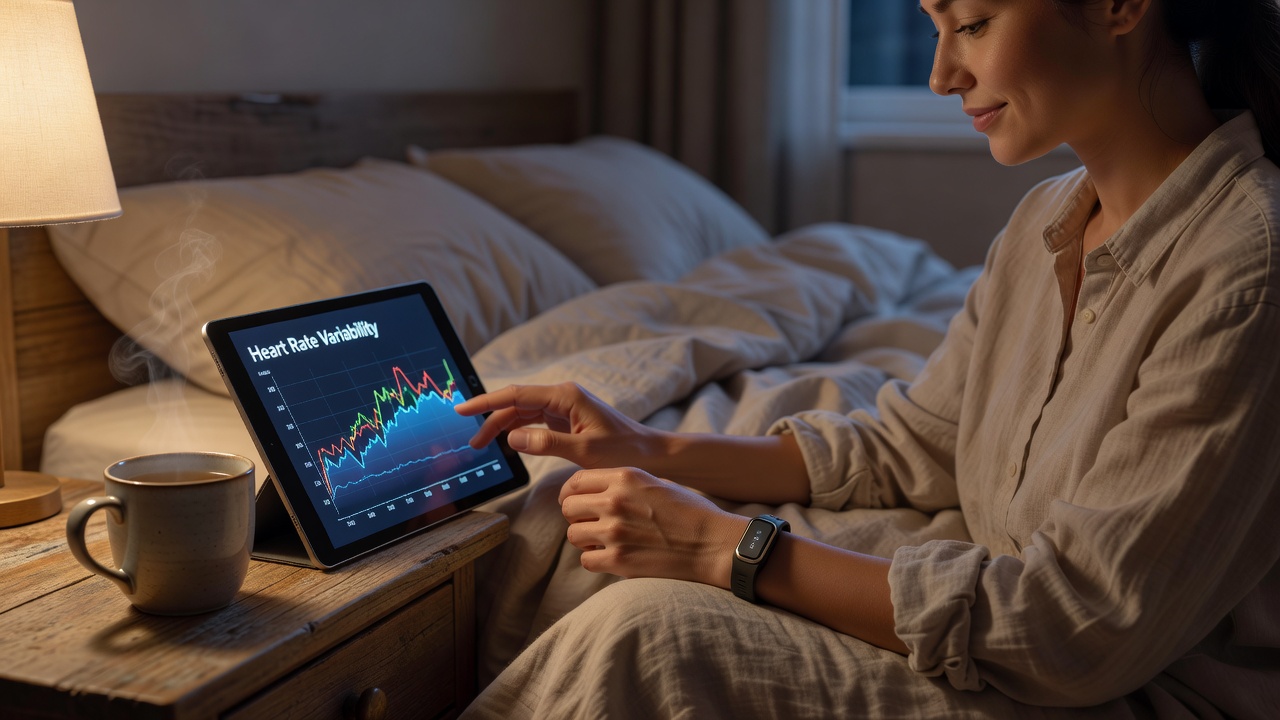
Advanced practitioners integrate wearable biofeedback devices to translate subjective feelings of calm into quantifiable data. Heart rate variability (HRV), skin conductance, and respiration metrics allow real-time adjustments during slow living sessions. For instance, an evening routine might begin with 5 minutes of diaphragmatic breathing while watching HRV rise on a connected app, followed by guided visualization only when the device indicates parasympathetic activation.
This data-driven layer accelerates progress by revealing hidden stress patterns, such as elevated sympathetic activity during supposedly relaxing activities. Over time, users develop intuitive awareness that reduces reliance on devices while retaining the benefits.
Customizing Routines Based on Stress Triggers
Trigger mapping forms the foundation of personalization. Professionals categorize stressors into cognitive, interpersonal, environmental, and physiological domains, then match specific slow living interventions accordingly. Cognitive overload responds well to extended digital detox periods combined with nature-based micro-practices, while interpersonal triggers benefit from boundary visualization and reflective writing stacked after work transitions.
Advanced customization also accounts for seasonal and life-stage variations, ensuring routines evolve rather than remain static. Regular quarterly reviews help refine elements as stress profiles shift.
Real-Life Case Examples from Professionals
A senior marketing director identified deadline-induced cognitive overload as her primary trigger. She implemented a three-layer habit stack consisting of morning breathwork, midday micro-meditation, and evening trigger journaling. Within eight weeks she reported a 40 percent reduction in perceived stress and improved focus during high-pressure campaigns.
A hospital administrator dealing with shift-work fatigue mapped interpersonal and environmental triggers and combined biofeedback-guided progressive muscle relaxation with short outdoor walks. After one month, his sleep quality metrics improved markedly, and he experienced fewer emotional outbursts during intense shifts.
A freelance software engineer facing isolation-related stress added a weekly community slow-living meetup to his stacked routine. The social accountability element, paired with daily biofeedback tracking, helped him maintain consistency and reduce anxiety scores over a 10-week period.
Comparing Advanced Slow Living Methods
- Habit Stacking versus Biofeedback Integration: Habit stacking offers high accessibility and zero ongoing costs, excelling at long-term behavioral change. Biofeedback delivers rapid physiological feedback but involves device expenses and a learning curve for data interpretation.
- Trigger-Based Customization versus Standardized Protocols: Customization delivers superior results for complex, multi-domain stress but requires initial mapping effort. Standardized protocols provide quicker onboarding for those preferring structure over personalization.
- Hybrid Approaches: Many wellness coaches now combine all three methods, using stacking for daily structure, biofeedback for objective validation, and trigger mapping for refinement, often achieving the most robust outcomes.
Overcoming Time Constraints: Expanded FAQ
How can I fit these routines into a packed schedule?
Deconstruct each practice into 3- to 5-minute micro-sessions and attach them to existing transitions such as post-commute arrival or between video calls. Prioritize one high-impact stack daily rather than attempting complete routines on busy days. Many executives report success by protecting a single 20-minute block in their calendar as non-negotiable.
What if biofeedback data shows no immediate improvement?
Physiological changes often require 4 to 6 weeks of consistent practice. Maintain both device data and subjective journals, then cross-reference trends. Consult authoritative guidance from the World Health Organization on holistic stress management approaches.
Are there risks to advanced customization?
Excessive tweaking can cause analysis paralysis. Begin with a minimal viable stack and iterate only after establishing baseline consistency. Reference evidence-based frameworks available through the National Institutes of Health to guide safe progression.
How do I handle travel or schedule disruptions?
Prepare portable micro-versions of your stack, such as seated breathwork or audio-guided body scans. Maintain the core anchor habit regardless of location to preserve momentum, then resume full layers upon returning to routine.
Long-Term Maintenance and Tracking Progress
Sustaining advanced slow living requires periodic reassessment. Schedule monthly 15-minute reviews to evaluate adherence, emotional resilience, and any emerging triggers. Use simple spreadsheets or wellness apps to log key indicators such as sleep quality, energy levels, and stress perception scores. When plateaus occur, introduce a single new element rather than overhauling the entire system. This measured evolution supports continued growth without burnout.
Resources from the American Psychological Association provide additional evidence-based insights into stress resilience that complement these routines.
Conclusion
Advanced slow living routines in 2026 deliver powerful, sustainable relief from chronic stress through layered habit stacking, biofeedback integration, and precise trigger customization. By following the detailed steps, learning from professional examples, and addressing common obstacles proactively, individuals can achieve measurable improvements in well-being. Start with one focused stack today and allow the compounding effects to transform your relationship with stress over time.


No comments yet. Be the first!