 Slow Bio Hack

Introduction: Why Storytelling Supercharges Your Brain
In an era of constant digital distractions, finding natural ways to sharpen memory and cognitive performance is essential. Storytelling stands out as a powerful, accessible tool that leverages the brain's natural affinity for narratives. This approach helps beginners build focus, emotional resilience, and retention without relying on complex gadgets or routines. Many people struggle with information overload, yet narratives provide a structured way to organize thoughts and make learning enjoyable rather than tedious.
Research shows that narratives activate multiple brain regions simultaneously, creating stronger memory traces than isolated facts. By weaving information into stories, you engage emotions, visuals, and sequences, making recall easier and more durable. This method draws on evolutionary psychology, where humans have used stories for millennia to pass down knowledge and survive. In today's world, it serves as a creative focus hack for those seeking alternatives to traditional study techniques or supplements.
The Science Behind Narratives and Memory Enhancement
Stories improve memory because they mirror how the human brain evolved to process information. When you hear or create a story, areas like the hippocampus (memory formation) and prefrontal cortex (focus and planning) light up together. This multisensory engagement leads to better encoding and retrieval compared to rote memorization. Neuroimaging studies reveal increased connectivity between brain areas responsible for language, emotion, and spatial awareness during storytelling activities.
Emotional elements in stories further boost retention by triggering the amygdala. High-performers in fields like business and athletics often use personal anecdotes to anchor strategies and outcomes. For mental health benefits, storytelling reduces stress by reframing challenges into coherent narratives, fostering resilience. The process also promotes neuroplasticity, allowing the brain to form new connections over time. Beginners can start small and notice how facts become easier to remember when embedded in a meaningful plot.
Learn more about cognitive processes from authoritative sources like the National Institutes of Health. Additional insights on brain health are available through World Health Organization resources on mental well-being.
Step-by-Step Guide to Creating Personal Stories for Daily Practice
Follow this beginner-friendly method to integrate storytelling into your routine. The process is flexible and can be adapted to various goals, from memorizing work presentations to improving daily mindfulness.
- Identify a key fact, goal, or memory you want to strengthen. Start with one item per session to avoid overwhelm.
- Build a simple narrative arc: beginning (setup), middle (challenge or action), and end (resolution or outcome). This structure mimics classic tales and aids logical flow.
- Incorporate sensory details—sights, sounds, and feelings—to make it vivid. For example, describe the texture of an object or the sound of success.
- Practice retelling the story aloud or in writing for 5-10 minutes daily. Repetition reinforces neural pathways without requiring extra time.
- Link it to real-life triggers, like your morning coffee, to form habits. Over weeks, this creates automatic recall cues.
Repeat this process weekly with new material to compound cognitive gains. Track your stories in a dedicated notebook to review progress and refine details as needed.
Practical Exercises to Strengthen Cognitive Performance
Try these targeted exercises to see results quickly. Each one builds different aspects of memory and focus while remaining accessible for novices.
- Memory Palace Story: Turn your home into a story setting where each room holds a piece of information you need to recall. Walk through mentally and assign vivid scenes to locations.
- Daily Reflection Tale: At bedtime, recount your day's events as an adventure story, noting lessons learned. This improves long-term retention of experiences and emotional processing.
- Goal Visualization Narrative: Craft a short story about achieving a specific objective, including obstacles overcome. Revisit it during quiet moments to enhance motivation and clarity.
- Character-Based Learning: Assign personalities to abstract concepts, such as turning numbers into quirky characters in a plot. This technique works especially well for data-heavy tasks.
These build focus and emotional regulation over time. Consistency matters more than perfection—start with 10 minutes per day and gradually increase. Combine exercises for variety and to prevent boredom.
Comparing Storytelling to Traditional Meditation
While meditation emphasizes present-moment awareness, storytelling actively engages imagination and sequencing for memory gains. Meditation calms the mind, but storytelling adds a creative layer that enhances problem-solving. Many find combining both—meditating on a story—yields superior results for cognitive performance. Storytelling suits beginners who prefer active techniques over passive sitting, offering immediate engagement rather than stillness.
Both methods support mental optimization, yet storytelling provides tangible outputs like written narratives that can be reviewed later. Users often report faster improvements in recall when alternating between the two approaches.
Explore mindfulness foundations via American Psychological Association. For clinical perspectives, consult Mayo Clinic guides on cognitive health strategies.
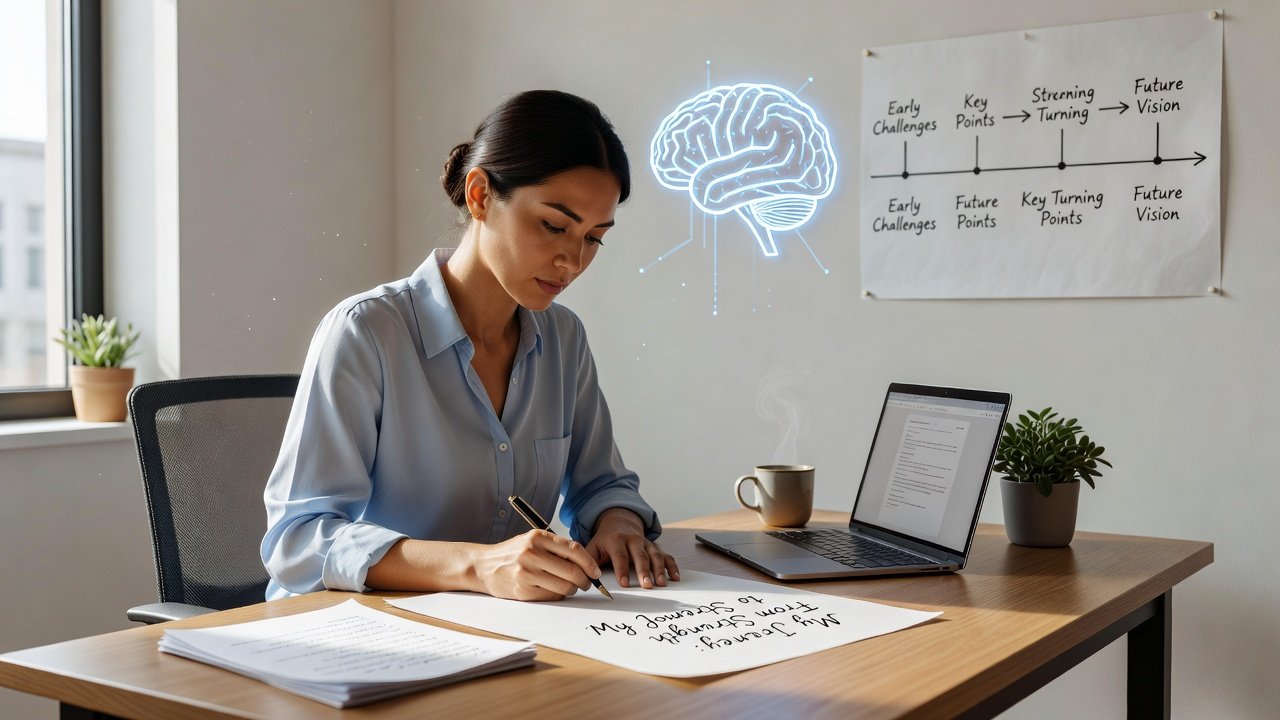
Real-Life Examples from High-Performers
Entrepreneurs like those in Silicon Valley often recount customer journeys as stories to memorize market insights. One founder visualized a product's evolution through a hero's journey tale, leading to clearer pitch retention during investor meetings. Athletes visualize competition scenarios through narrative rehearsals, improving reaction times and resilience under pressure. A professional runner, for instance, created a story of overcoming a tough course with specific landmarks as plot points.
Writers and speakers use personal origin stories to retain complex ideas during high-pressure presentations. Executives in leadership roles apply storytelling to team strategies, turning quarterly goals into shared adventures that boost collective memory. These methods demonstrate storytelling's versatility across domains and its role in sustaining peak performance.
Common Mistakes to Avoid When Using Storytelling
Many beginners overcomplicate their first stories by adding too many details, which can dilute focus. Keep arcs simple initially. Another pitfall is inconsistent practice—sporadic sessions yield weaker results than daily short efforts. Avoid forcing unrelated facts into one tale; instead, create separate stories for different topics. Finally, neglecting sensory elements reduces impact, so always include at least three vivid descriptors per narrative.
Integrating Storytelling into 2026 Routines
Fit these techniques into modern schedules by pairing them with existing habits, such as during commutes or post-work wind-downs. Use voice notes on your phone for quick story captures. Track progress in a simple journal to maintain motivation. In 2026, combine with wearable reminders for gentle prompts without overload. Schedule weekly reviews to adjust stories based on life changes, ensuring ongoing relevance and cognitive benefits.
FAQ: Common Questions on Storytelling for Cognition
How long until I notice memory improvements?
Most beginners report better recall within 2-4 weeks of daily practice, though individual results vary with consistency and the complexity of material being learned.
Can storytelling help with anxiety?
Yes, reframing worries as narratives promotes emotional processing and reduces their intensity over time by giving structure to chaotic thoughts.
Is this suitable for all ages?
Absolutely—children and adults alike benefit, making it a family-friendly cognitive tool that can be adapted for different developmental stages.
Do I need special training?
No prior skills are required; the techniques are designed for complete beginners and build naturally through repetition.
Can I use storytelling alongside other focus methods?
Yes, it pairs well with techniques like spaced repetition or physical exercise to create a comprehensive mental optimization plan.
Conclusion: Start Your Storytelling Journey Today
Storytelling offers a creative, evidence-based path to superior memory and cognitive performance. By practicing the guides and exercises outlined, you can build lasting mental strength while enjoying the process. Begin with one simple story today and watch your focus and resilience grow through consistent application in daily life.


No comments yet. Be the first!