 Slow Bio Hack
Why Wearables Are Essential for Beginner Biohackers
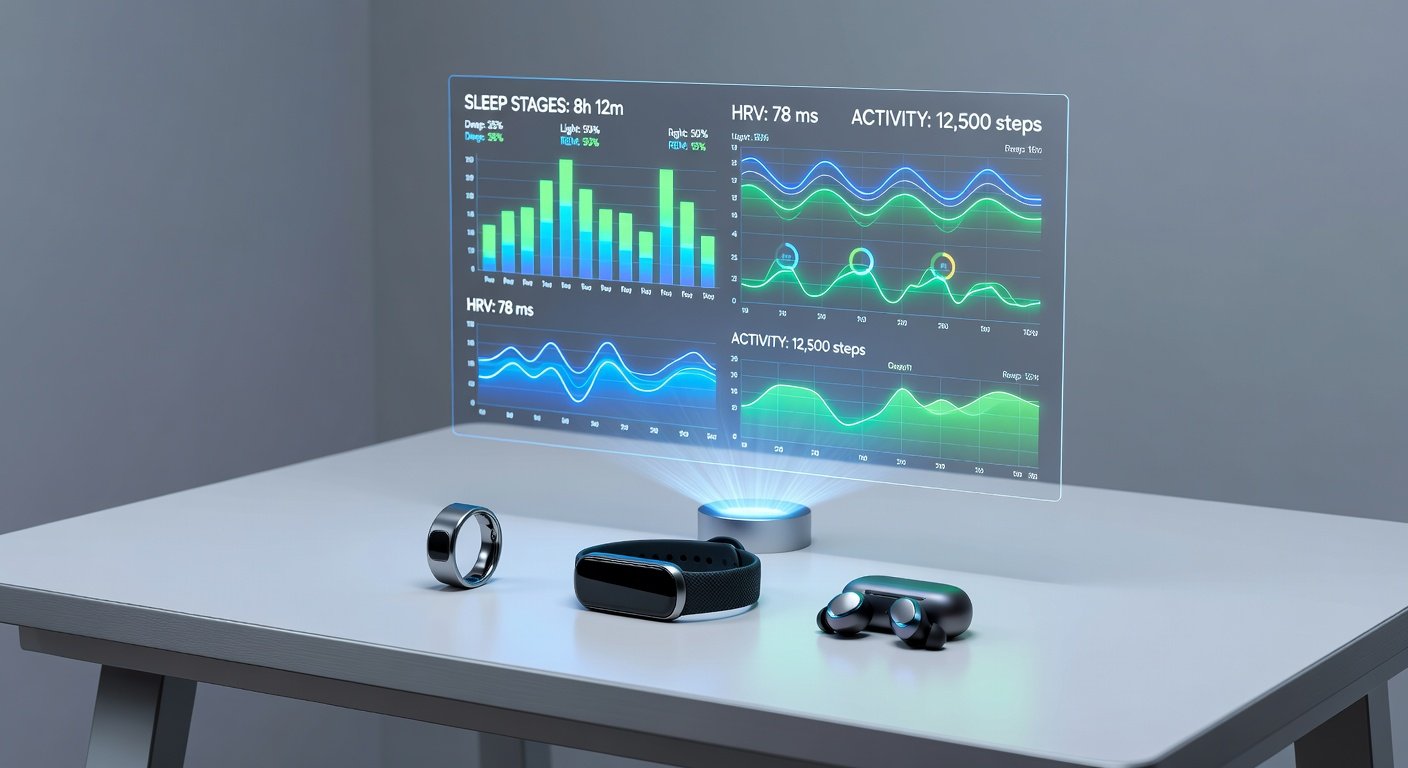
Biohacking is all about optimizing your body and mind through data-driven insights. For beginners, wearables are the perfect entry point—they're affordable, non-invasive, and provide real-time metrics on sleep, heart rate variability (HRV), and activity. In 2026, advancements in sensor tech make these devices more accurate and user-friendly than ever. Whether you're aiming to improve energy levels, reduce stress, or boost longevity, tracking key health metrics can lead to simple, actionable changes.
This guide compares top affordable wearables (under $300), shares setup tips, data basics, and daily hacks. No PhD required—just curiosity and consistency.
Key Metrics to Track: Sleep, HRV, and Activity
Sleep: Quality over quantity. Track stages (deep, REM, light), duration, and disturbances.
HRV: Measures nervous system balance. Higher HRV = better recovery and resilience to stress.
Activity: Steps, calories, intensity zones. Helps balance movement without overtraining.
Top Affordable Wearables Comparison for 2026
We've selected devices based on accuracy, battery life, app ecosystem, and value. Prices are approximate entry-level.
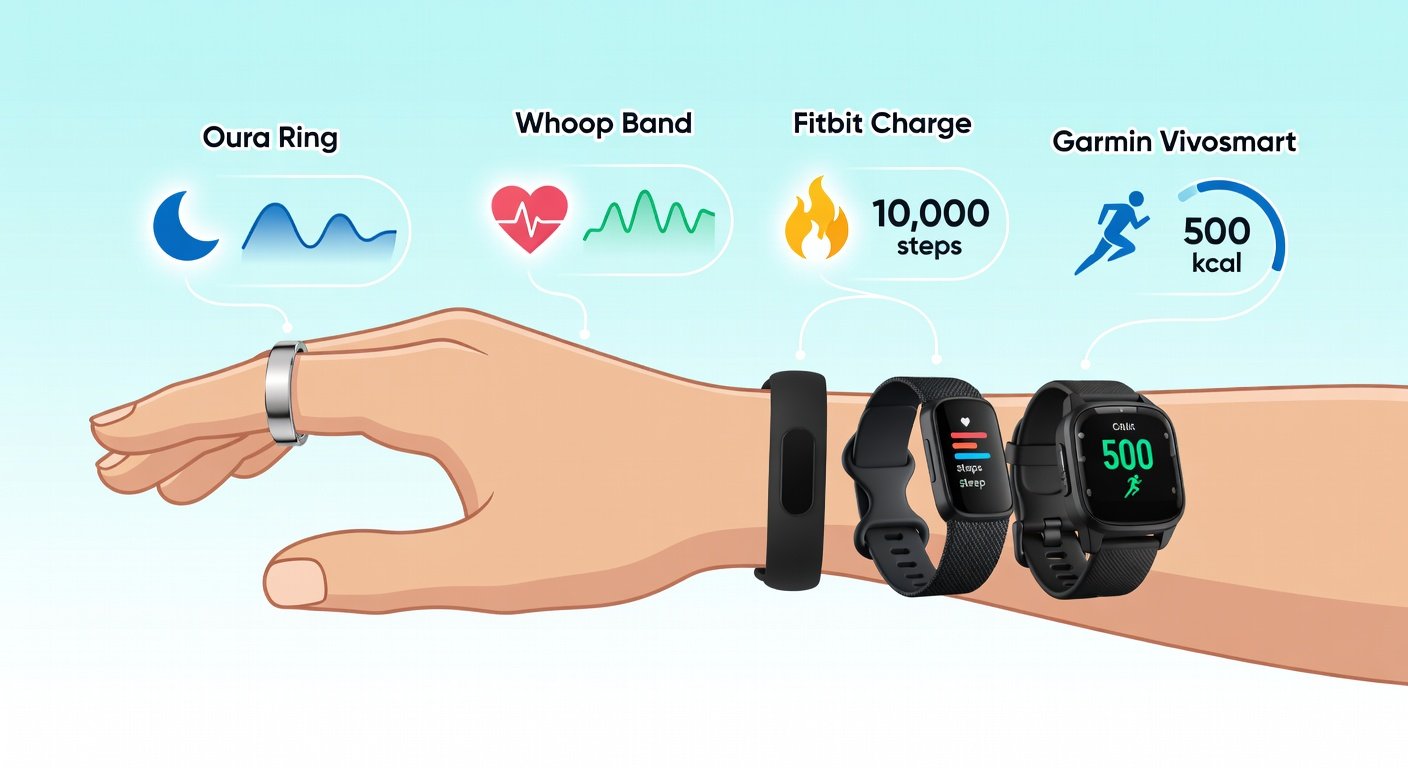
- Oura Ring Gen4 (~$299): Discreet ring for 24/7 tracking. Excels in sleep and HRV. Battery: 7 days. App: Readiness Score.
- Whoop 5.0 (~$199/month membership, device free): Strap for strain, recovery, sleep. Top HRV accuracy. Battery: 5 days.
- Fitbit Charge 6 (~$160): Versatile tracker. Great activity + sleep. Google integration. Battery: 7 days.
- Ultrahuman Ring Air (~$349, often discounted): Ring rival to Oura. Strong on metabolic insights via HRV/sleep. Battery: 6 days.
- Garmin Vivosmart 5 (~$150): Slim band for basics. Reliable activity/HRV. Battery: 7 days.
Best for sleep: Oura or Whoop. HRV: Whoop/Oura. Activity: Fitbit/Garmin. Choose based on form factor—rings for comfort, bands for screens.
For deeper sleep science, check the Sleep Foundation.
Setup Tips for Accurate Data
- Wear Consistently: 24/7, except charging. Rings: Resize if needed. Bands: Snug but not tight.
- App Pairing: Download official apps (iOS/Android). Enable Bluetooth, grant permissions. Calibrate with age/weight.
- Baseline Week: First 7 days: Normal routine, no changes. Establishes personal norms.
- Firmware Updates: Auto or manual—2026 models push AI enhancements.
- Integration: Sync with Apple Health/Google Fit for unified dashboard.
Common Pitfalls to Avoid
- Loose fit skews HR/HRV.
- Alcohol/caffeine inflates data—log them in-app.
- Ignore outliers; trends matter.
Interpreting Your Data: Beginner Basics
Sleep Score: Aim 85%+. Deep sleep >1.5hrs/night. Low? Wind down earlier.
HRV (rMSSD): Average 30-60ms healthy adult. <20ms? Rest/recover. Track morning values.
Activity: 7-10k steps/day. VO2 max >35 for fitness. Recovery time post-workout <24hrs.
Apps provide scores; focus on week-over-week trends. For activity guidelines, see WHO's physical activity page.
Daily Health Hacks Using Wearable Insights
Sleep Optimization
- Low deep sleep? 10min pre-bed breathwork (4-7-8). Data shows +20% improvement.
- Wake after midnight? Shift bedtime 30min earlier.
HRV Boosters
- HRV dip? Morning sunlight 10min + cold shower. Track rebound.
- High stress? 5min meditation—apps like Whoop guide it.
Activity Smarts
- Under 7k steps? Walk post-meals (blood sugar bonus).
- Overtraining? Follow recovery score—rest if <green.
Pro Tip: Weekly review Sundays. Adjust one habit/week. Example: User A upped HRV 15% via consistent 10pm cutoff.
Advanced Tips for 2026 Biohackers
New features: AI coaching (Oura's), blood oxygen trends, skin temp for illness prediction. Pair with free apps like AutoSleep or HRV4Training for extras.
Budget stack: Start Fitbit ($160), upgrade to Oura later. Total ROI: Better sleep = +2hrs productive energy/day.
Explore more at Oura's site or Whoop.
Final Thoughts
Wearables demystify health for beginners. Pick one, track 30 days, hack accordingly. Your future self (healthier, energized) thanks you. What's your first metric to optimize?
No comments yet. Be the first!