 Slow Bio Hack

Introduction to Morning Sunlight as a Biohacking Tool
In 2026, biohacking continues to emphasize simple, natural methods over expensive gadgets. Morning sunlight exposure stands out as one of the most accessible techniques for beginners seeking to optimize circadian rhythms and enhance overall wellness. This practice involves intentional exposure to natural light shortly after waking to regulate your body's internal clock, leading to better energy levels, focus, and restorative sleep. Many people struggle with modern lifestyles that keep them indoors or exposed to artificial lighting, which disrupts natural biological processes. By contrast, morning sunlight offers a free, evidence-based way to realign these rhythms without requiring subscriptions, devices, or complex protocols.
Unlike complex protocols, sunlight biohacking requires no special equipment. Research from institutions like the National Institutes of Health highlights how light influences melatonin and cortisol production, making this a foundational habit for health optimization. Beginners often find this approach empowering because it reconnects them with natural environmental cues that have guided human physiology for millennia. The result is a sustainable habit that supports long-term wellness rather than short-term fixes.
The Science Behind Morning Sunlight and Circadian Rhythms
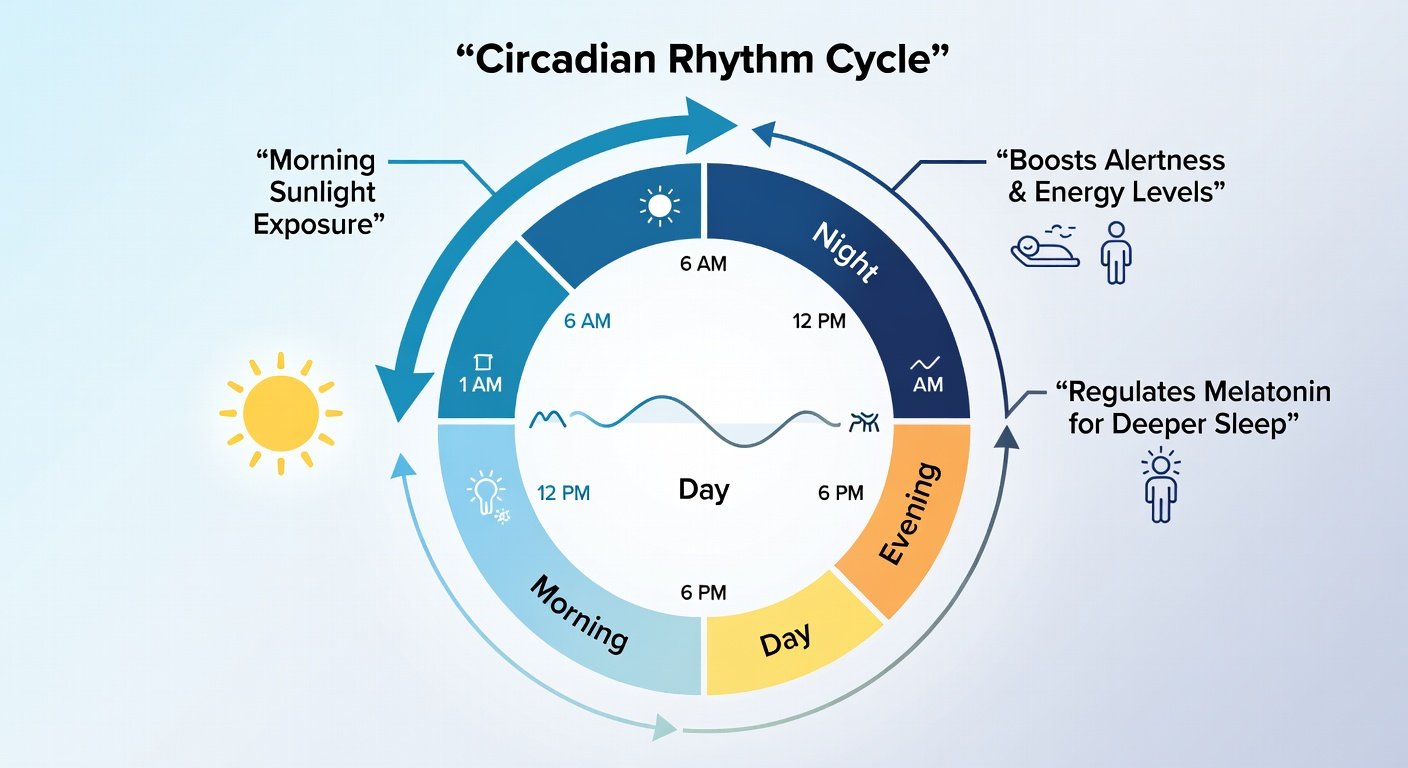
Circadian rhythms are 24-hour cycles that govern sleep-wake patterns, hormone release, and metabolism. Morning sunlight, rich in blue-wavelength light, signals to the suprachiasmatic nucleus in the brain that it is daytime. This triggers cortisol release for alertness and sets a timer for melatonin production later in the evening. The process begins when light enters the eyes and reaches specialized cells called intrinsically photosensitive retinal ganglion cells, which communicate directly with the brain's master clock.
Studies show that consistent exposure helps synchronize these rhythms, reducing issues like insomnia or afternoon slumps. The timing is critical because early-day light exposure advances the circadian phase, making it easier to fall asleep at night and wake refreshed. Compared to artificial lights, natural sunlight provides a broader spectrum that artificial sources often lack, offering superior entrainment of the circadian system. Additional factors include the intensity of outdoor light, which can reach 10,000 lux or more even on cloudy days, far exceeding typical indoor illumination. For beginners, understanding this mechanism underscores why timing matters—exposure within 30-60 minutes of waking yields the strongest effects. Seasonal variations also play a role, with shorter winter days requiring more deliberate effort to maintain alignment.
Step-by-Step Guide to Implementing Morning Sunlight Exposure
Getting started is straightforward. Follow these steps to integrate the practice into your routine:
- Wake up at a consistent time daily to align your body clock, even on weekends if possible.
- Step outside or position yourself near a large window within 30 minutes of rising, ensuring direct or indirect sky view.
- Expose your eyes to indirect sunlight for 10-30 minutes; avoid staring directly at the sun and remove sunglasses for maximum effect.
- Combine with light movement like walking to amplify benefits through combined physical activity and light exposure.
- Track progress using a simple journal noting energy and sleep quality over the first two weeks.
- Adjust based on your environment, such as using a balcony or nearby park if street-level access is limited.
Adjust duration based on weather and location—cloudy days still provide sufficient light for circadian benefits. If mobility issues exist, sitting by an open window with a clear view of the sky can serve as an effective starting point.
Key Benefits: Enhanced Focus, Energy, and Sleep Quality
Regular morning sunlight exposure delivers multiple wellness advantages. Users often report sharper focus during work hours due to stabilized cortisol curves that prevent mid-morning crashes. Energy levels become more sustained without caffeine crashes, while nighttime sleep improves as melatonin onset aligns better with darkness. Over time, this can translate to fewer instances of grogginess upon waking and greater resilience against jet lag or shift work disruptions.
Additional perks include mood elevation from vitamin D synthesis and reduced seasonal affective symptoms. The practice also supports metabolic health by influencing appetite regulation and insulin sensitivity. Many beginners notice improved workout performance and mental clarity within the first month. These cumulative effects make sunlight exposure a cornerstone habit that enhances other biohacking efforts like nutrition or exercise routines.
Practical Morning Routine Examples
Here are adaptable examples for different lifestyles:
- Busy Professional: Wake at 6:30 AM, enjoy coffee on the balcony while reading news for 15 minutes before commuting.
- Parent with Kids: Take a short family walk around the neighborhood post-breakfast, turning it into quality time and habit reinforcement.
- Remote Worker: Open blinds fully during the first video call or stretch outdoors on a yoga mat for 20 minutes.
- Student or Shift Worker: Prioritize 10 minutes on a porch or rooftop immediately after alarm, followed by hydration and planning the day.
These routines emphasize consistency over perfection, fitting seamlessly into existing schedules. Experiment with pairing sunlight time with gratitude journaling or light stretching to create a multi-benefit morning ritual that feels rewarding rather than obligatory.
Comparing Morning Sunlight to Artificial Light Alternatives
While light therapy boxes or smart bulbs can mimic some effects, they fall short of full-spectrum natural light. Sunlight offers dynamic intensity changes throughout the day that devices cannot replicate exactly. For those in low-light climates or urban environments with limited outdoor access, combining brief outdoor time with a 10,000 lux lamp serves as a solid backup, but prioritizing real sunlight whenever possible maximizes results. Natural exposure also includes subtle variations in color temperature that support broader physiological responses beyond basic alertness. Artificial options work best as supplements during travel or extreme weather rather than primary solutions.
Common Mistakes to Avoid
Beginners often overlook key pitfalls such as inconsistent timing, wearing sunglasses during exposure, or staying indoors behind glass (which blocks beneficial wavelengths). Overexposing in harsh midday sun instead of morning hours can also undermine progress by shifting circadian timing in the wrong direction. Neglecting evening wind-down routines or consuming bright screens late at night counteracts morning efforts. Another frequent error is expecting immediate dramatic changes; benefits typically build gradually over two to four weeks of consistency. Starting too aggressively with long sessions can lead to burnout, so ease in with shorter durations.
Tracking Progress and Making Seasonal Adjustments
To ensure the habit sticks, track subjective markers like morning energy on a 1-10 scale and sleep latency using a basic app or notebook. Wearable devices can provide objective data on sleep stages if available. During summer months with earlier sunrises, adjust wake times slightly earlier to capture optimal light. In winter, extend session length slightly or seek the brightest available outdoor spots. These adjustments keep the practice effective year-round and prevent plateaus in results.
Frequently Asked Questions
How long should beginners aim for initially?
Start with 10 minutes and gradually increase to 20-30 minutes as tolerated, listening to your body's response.
Does it work on cloudy days?
Yes, outdoor light on overcast days still provides effective circadian cues, often delivering 1,000-5,000 lux depending on location.
Can this replace supplements or medications?
It complements but does not replace professional medical advice for underlying conditions such as diagnosed sleep disorders.
What if I live in a high-rise building with limited outdoor access?
Use the brightest window view available or step outside briefly during commute; even short exposures accumulate benefits.
Is there an ideal time window if my schedule varies?
Aim for within one hour of natural wake time, adjusting gradually if shifting schedules occur.
Conclusion
Morning sunlight exposure offers a powerful yet simple entry point into biohacking. By prioritizing this daily habit, beginners can achieve meaningful improvements in energy, focus, and sleep. Consistency is key—begin today and observe the transformative effects on your wellness journey. For more on light and health, explore resources from the National Institutes of Health, Mayo Clinic, and Centers for Disease Control and Prevention.

No comments yet. Be the first!