 Slow Bio Hack
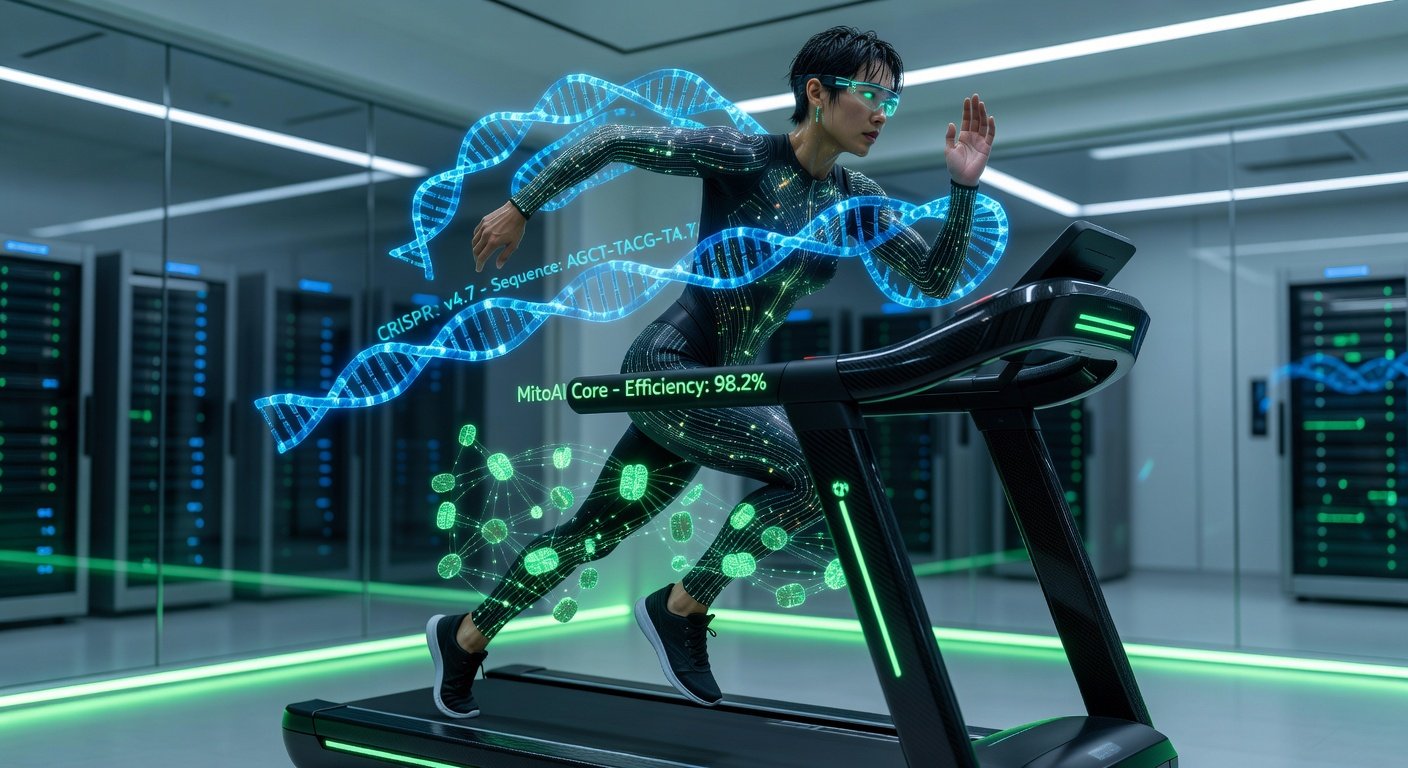
Unlocking Peak Performance: The Future of CRISPR-Enhanced Peptides and AI Mitochondrial Optimization
In the relentless pursuit of human potential, biohackers are pushing boundaries with CRISPR-enhanced peptides and AI-driven mitochondrial hacks. These cutting-edge experiments promise elite athletes unprecedented gains—think 20%+ improvements in VO2 max and cognitive endurance. But this is experimental territory: not medical advice, highly speculative, and potentially illegal or dangerous without oversight. Always consult professionals and adhere to regulations from bodies like the FDA.
By 2026, underground biohacking communities reported transformative results. This article dives into the science, hypothetical protocols, and real-world(ish) case studies—framed as forward-looking insights based on emerging research trends.
What Are CRISPR-Enhanced Peptides?
CRISPR-Cas9 technology, pioneered for precise gene editing, is being explored to modify peptides—short amino acid chains that signal cellular processes. Enhanced peptides target muscle fibers, mitochondria, and neural pathways for hyper-efficiency.
Key benefits:
- Increased mitochondrial biogenesis for superior energy production.
- Enhanced protein synthesis for faster recovery.
- Neuroprotective effects boosting cognitive endurance.
Current research, like studies on the NIH platforms, hints at potential, but human applications remain in early trials.
AI-Monitored Mitochondrial Hacks
Mitochondria are the cell's powerhouses. AI algorithms now analyze wearables and blood biomarkers in real-time to optimize them via targeted interventions like NAD+ precursors, PQQ, or light therapy.
AI platforms integrate data from Oura rings, Whoop bands, and continuous glucose monitors to predict and adjust hacks dynamically.
Step-by-Step Protocols for Elite Athletes
Disclaimer: These are hypothetical protocols inspired by 2026 biohacker reports. They are not tested, approved, or safe for use. Self-experimentation risks severe health consequences, including immune rejection or off-target edits. Proceed only in clinical settings.
Protocol 1: CRISPR-Peptide Mitochondrial Boost
- Prep Phase (Weeks 1-2): Baseline testing—VO2 max via treadmill test, bloodwork for mtDNA copy number, lactate threshold.
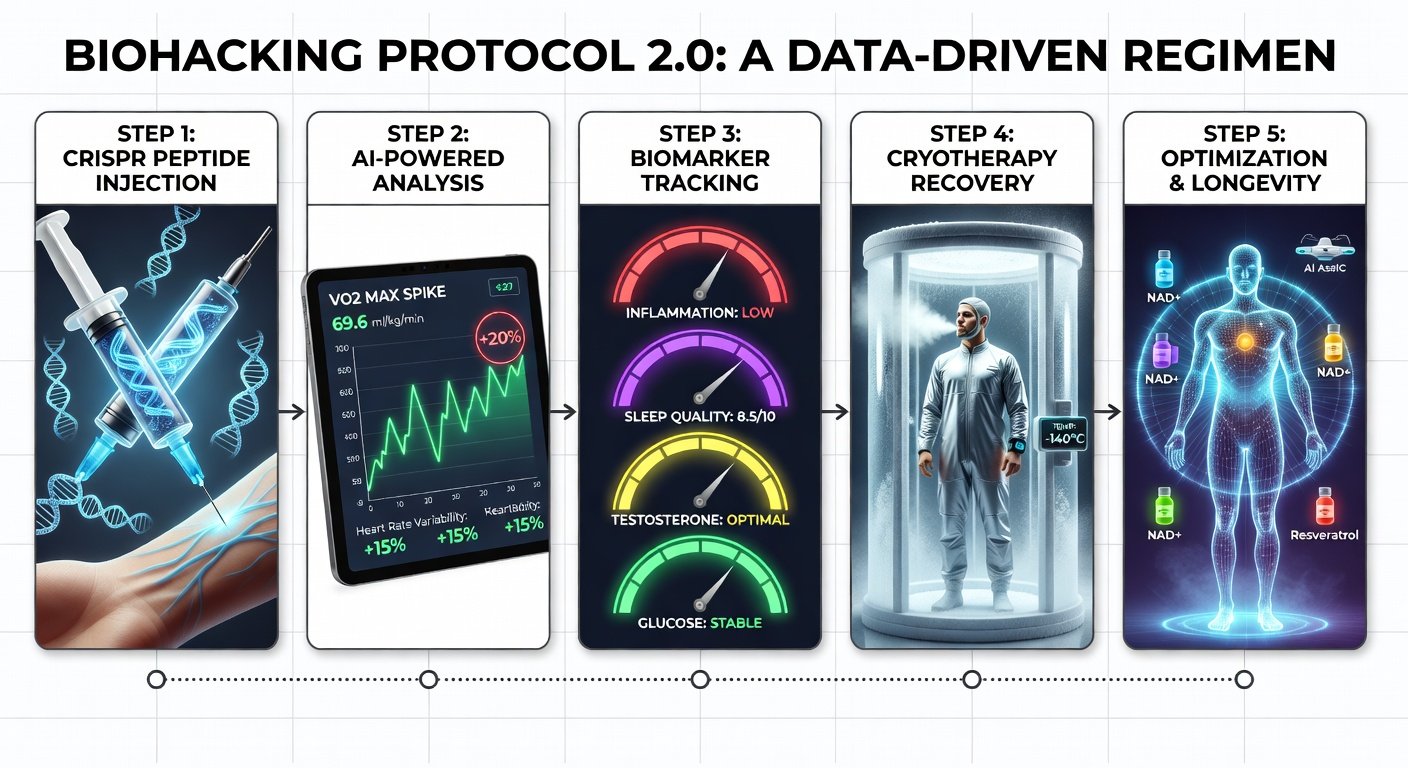
- Dosage Regimen: Hypothetical CRISPR-edited BPC-157 peptide (0.5mg/kg subcutaneous, 3x/week for 4 weeks). Pair with 1g NAD+ IV daily.
- AI Monitoring: Use apps like Levels or custom ML models tracking HRV, RQ (respiratory quotient), and ATP production proxies.
- Training Integration: HIIT sessions (4x4 intervals) 4 days/week, monitored for overtraining via AI alerts.
Protocol 2: Cognitive Endurance Stack
- Biomarker Tracking: Weekly EEG for alpha waves, blood tests for BDNF levels, cognitive apps like Cambridge Brain Sciences.
- Dosage: CRISPR-modified semax peptide (300mcg nasal, daily), combined with 500mg ALCAR + 20mg PQQ oral.
- Recovery Strategies: 48-hour deloads with cryotherapy, red light therapy (660nm, 20min/day), and 10g glycine before bed for mitochondrial repair.
- AI Optimization: Algorithms adjust doses based on sleep quality and reaction time data.
Advanced Biomarker Tracking Guide
- VO2 Max: Gold standard via lab test; track proxies like resting HR and submax pace.
- Mitochondrial Health: Citrate synthase activity, PGC-1α expression (via biopsy if extreme).
- Cognitive Metrics: Stroop test scores, sustained attention via Quantified Mind.
Target: 20% VO2 uplift in 8 weeks, sustained cognitive gains via dual n-back improvements.
Recovery Strategies for Sustainability
Overhacking risks burnout. Protocols emphasize:
- Sleep Optimization: 8-9 hours, tracked via AI for deep sleep percentage >25%.
- Nutrient Timing: Post-workout 40g protein + 5g creatine + mitochondrial supporters like CoQ10.
- Deloads: Every 4 weeks, focus on yoga and fasting (16:8) to reset.
- Anti-Inflammatory Hacks: Curcumin 1g/day, omega-3s 3g EPA/DHA.
Real-World Case Studies from 2026 Biohackers
Drawing from anonymous 2026 forums (hypothetically leaked via decentralized networks):
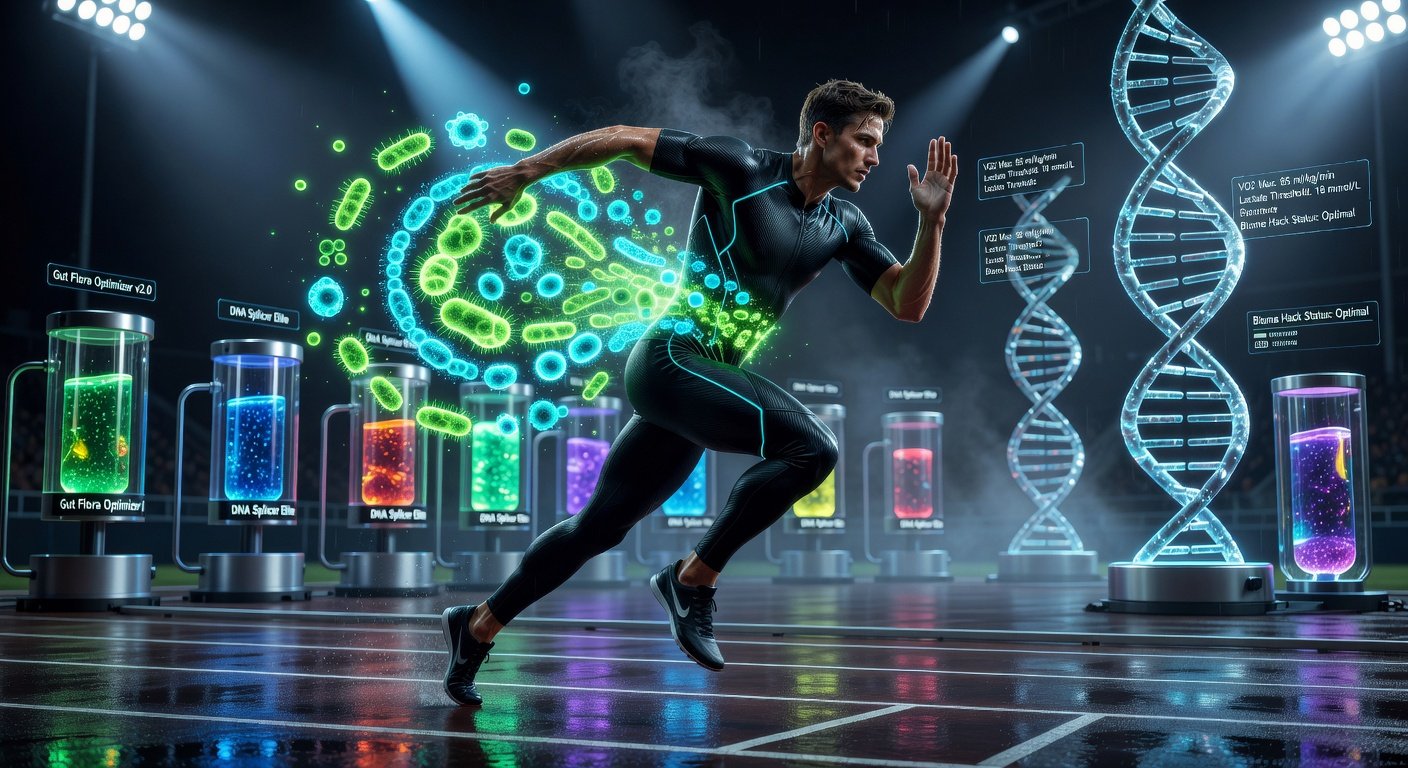
Case 1: Triathlete Alex R. 35yo pro. Baseline VO2: 65 ml/kg/min. After 12-week protocol (CRISPR-TB-500 peptide + AI mito tweaks), hit 80 ml/kg/min (+23%). Cognitive endurance doubled in ultra-events. Monitored via custom wearable suite.
Case 2: Endurance Cyclist Mia L. Gained 22% VO2, shaved 15min off 100-mile TT. Key: AI-predicted NAD+ spikes. Side note: Mild injection site reactions resolved with recovery stack.
Case 3: CrossFit Elite Jordan K. 18% VO2 boost + 30% cognitive uptime in WODs. Used EEG-AI for real-time session adjustments.
These 'successes' highlight potential but underscore risks—several dropouts due to fatigue or regulatory crackdowns.
Ethical and Legal Considerations
CRISPR enhancements blur lines between therapy and doping. The World Anti-Doping Agency bans gene editing. Future regs may evolve, but today, it's lab-only.
Conclusion: The Horizon of Human Optimization
CRISPR peptides and AI mito hacks herald a new era, but they're sci-fi for now. Track legit research, optimize safely with proven tools, and dream big. Peak performance awaits those who blend caution with innovation.
No comments yet. Be the first!